

Prime Minister Opposes Legal Action Over Abusive Remarks
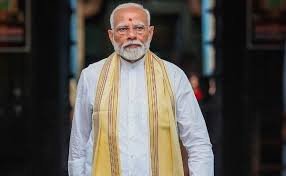
Indian Prime Minister Narendra Modi has said he wants to forgive young protesters who directed abusive language at him during recent demonstrations.
The protests were organised over examination paper leaks and alleged failures in India’s education system. They later expanded into a wider movement against unemployment, limited opportunities and poor governance.
In a video posted on Instagram late Friday, Modi referred to the offensive slogans raised during demonstrations at Jantar Mantar in New Delhi.
He said some young protesters had used unacceptable language against him and his late mother. However, he argued that mistakes committed by young people should be addressed through guidance instead of punishment.
Modi said he wanted to forgive those involved. He also encouraged his supporters and the wider public to adopt the same approach.
His statement followed reports that several protesters had faced police complaints and online attacks after videos of their remarks circulated widely.
The prime minister’s intervention appeared aimed at reducing tensions following one of the most serious youth-led challenges faced by his government during its current term.
Paper Leak Protests Expand Into National Youth Movement
The demonstrations were initially triggered by anger over a major examination paper leak.
The controversy affected millions of students and raised questions about fairness, corruption and the credibility of India’s competitive examination system.
Students argued that paper leaks damaged years of preparation and unfairly benefited candidates with access to criminal networks.
The protests gained momentum through the Cockroach Janta Party, a youth-led movement that began as an online campaign before organising large public demonstrations.
The movement mobilised students in New Delhi and several other cities. Protesters demanded examination reforms, accountability for those responsible and protection for students participating in demonstrations.
The protests later became a broader expression of frustration over unemployment and the uncertain future facing young Indians.
Demonstrations intensified after clashes between protesters and security forces. Reports of arrests and police complaints further increased tensions.
The movement eventually secured major government concessions. These included promises of examination reforms, stronger action against paper leaks and the withdrawal of cases against protesters.
Education Minister Dharmendra Pradhan also resigned as the controversy placed growing political pressure on the government.
Arrests Continue Despite Government Assurances
Despite assurances that students would not face punishment, members of the movement have accused authorities of continuing to detain and investigate protesters.
The Cockroach Janta Party claimed that hundreds of students had been arrested, questioned or harassed in different parts of India.
The group warned that demonstrations could resume if all detained protesters were not released and pending cases were not withdrawn.
Some police complaints were linked to videos containing offensive statements against Modi.
Authorities also reportedly asked social media companies to remove content they described as abusive, misleading or manipulated.
One woman from Noida faced a police complaint after a video allegedly showing her making derogatory comments about Modi during the Jantar Mantar protest went viral.
The legal response created a wider debate over political criticism, freedom of expression and the limits of acceptable speech during public demonstrations.
Modi Turns to Social Media to Address Young Indians
Modi has increasingly used Instagram and other digital platforms to communicate directly with young people since the protests began.
The Cockroach Janta Party developed much of its support through social media. Its rapid growth demonstrated the ability of online youth movements to organise demonstrations and influence national politics.
The prime minister previously promised tougher action against examination fraud and stronger penalties for those involved in leaking papers.
The government has also proposed legislation to increase punishments for examination-related offences.
Modi’s latest message adopted a more conciliatory tone. Instead of defending legal action against protesters, he portrayed them as young people who had been misled and needed guidance.
However, the political impact of the demonstrations may continue.
The protests forced the government to respond to longstanding concerns about examination integrity, youth unemployment and access to educational opportunities.
They also showed that online movements can quickly transform public frustration into organised political pressure.
Modi’s call for forgiveness could ease tensions, but protesters are expected to judge the government through its actions on examination reform, police cases and employment opportunities.

