

Indian Government Urges Citizens to Reduce Petrol and Diesel Usage
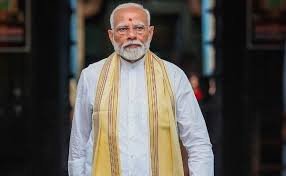
Indian Prime Minister Narendra Modi has appealed to citizens to reduce fuel consumption as global energy markets face pressure from the ongoing conflict in the Middle East. The appeal comes amid growing concerns over supply disruptions and rising international oil prices linked to regional instability.
Speaking at a public gathering in Telangana on Sunday, Modi urged people to adopt fuel-saving habits and reduce dependence on petrol and diesel wherever possible.
The prime minister encouraged citizens living in cities with metro systems to use public transportation instead of private vehicles. He also advised people to carpool when travel by personal car becomes necessary.
According to Modi, conserving fuel is now important not only for energy security but also for protecting the country’s economy from increasing import costs.
India imports a significant portion of its energy requirements, making the country highly sensitive to fluctuations in global oil prices and supply disruptions.
Despite international pressure on fuel markets, India remains among the few countries in the region that has not increased domestic petrol and diesel prices or introduced fuel rationing measures.
However, the government has raised prices of liquefied petroleum gas, commonly known as LPG, which is widely used for cooking in households across the country.
Middle East Conflict Creates Pressure on Global Oil Markets
The fuel concerns emerged after military tensions involving the United States, Israel, and Iran disrupted regional energy routes. The situation intensified after strikes on Iran and Tehran’s near-total blockade of the Strait of Hormuz.
The Strait of Hormuz is considered one of the world’s most critical oil shipping routes. A large portion of global oil exports passes through the narrow waterway every day.
Any disruption in the area immediately affects international energy prices, transportation costs, and supply chains across multiple countries.
Economic analysts warn that prolonged instability in the Gulf region could place additional pressure on fuel-importing nations like India.
Prime Minister Modi acknowledged that global petrol and diesel prices have become extremely expensive due to the crisis. He stressed the importance of reducing unnecessary fuel consumption to save valuable foreign exchange reserves.
Experts believe rising oil prices could impact transportation costs, manufacturing expenses, inflation rates, and household budgets if disruptions continue for a longer period.
The Indian government is closely monitoring global energy markets while trying to protect domestic consumers from sharp price increases.
Modi Encourages Return of Remote Work and Virtual Meetings
In addition to fuel conservation, Modi also called for the return of some energy-saving practices that became common during the Covid-19 pandemic.
The prime minister encouraged companies and organizations to prioritize work-from-home arrangements, online conferences, and virtual meetings whenever possible.
According to Modi, reducing unnecessary travel can help lower fuel demand while also supporting broader energy conservation efforts.
During the pandemic years, remote working significantly reduced traffic congestion and fuel usage in major Indian cities. Officials now believe similar measures could again help ease pressure on fuel consumption.
Economic experts say digital work systems developed during the pandemic remain effective tools for reducing transportation costs and energy dependence.
Environmental analysts also note that lower fuel consumption can help reduce pollution levels in densely populated urban areas.
Public reactions to Modi’s appeal have been mixed. Some citizens support the conservation campaign due to concerns over rising global instability and economic uncertainty. Others worry about the long-term impact of higher energy prices on household expenses and business operations.
Industry experts say India may continue facing energy challenges if tensions in the Middle East persist and oil supply routes remain under pressure.
For now, the government appears focused on encouraging voluntary conservation measures rather than imposing strict restrictions on fuel usage.
As global markets remain unstable, policymakers and consumers alike are preparing for possible long-term economic effects linked to the ongoing regional conflict.

