
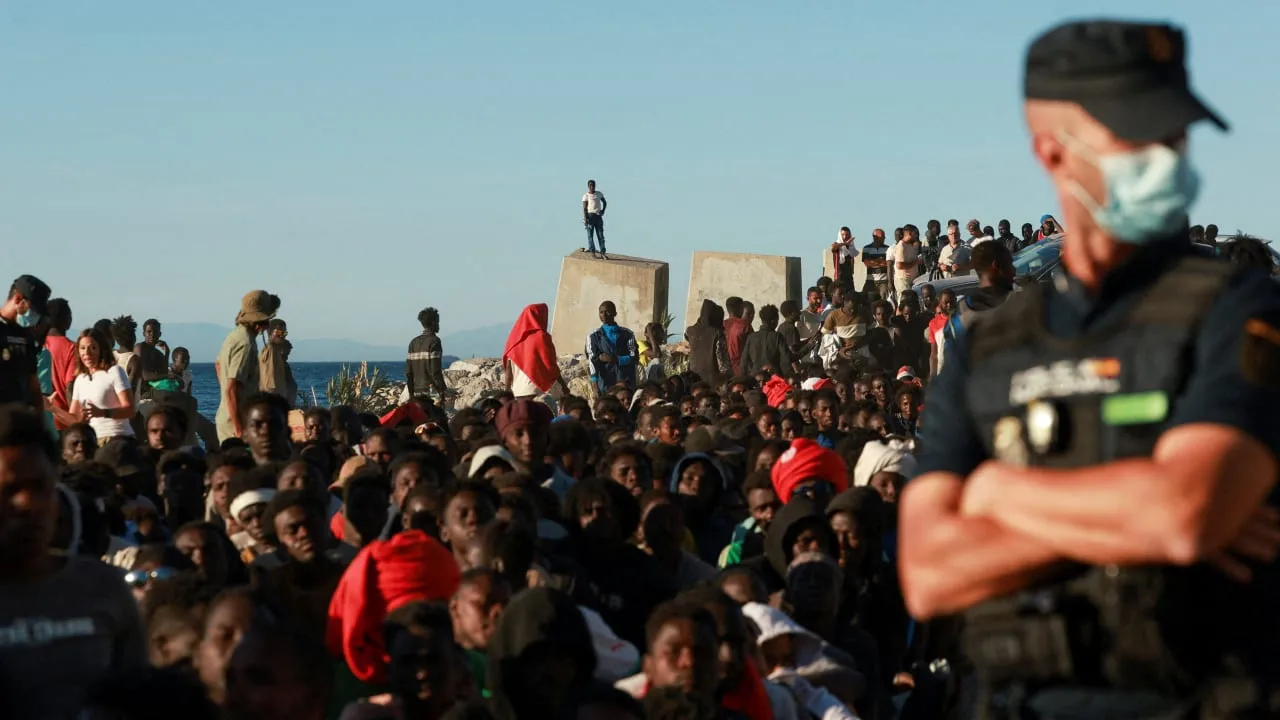

EU launches special cooperation mechanism to counter misleading migration information following mass crossings from Morocco
BRUSSELS: Meta and TikTok have agreed to strengthen fact-checking of content concerning border crossings into Spain following a massive rush of migrants from Morocco into the Spanish enclave of Ceuta, European Union tech chief Henna Virkkunen said.
Virkkunen announced on Monday that the social media platforms would establish an ad-hoc escalation and cooperation mechanism involving fact-checkers under existing crisis protocols.
The initiative aims to prevent criminal networks from spreading false or misleading information online to encourage migrants to attempt dangerous crossings into European territory.
Virkkunen said misinformation had contributed to potentially deadly journeys and stressed the need for closer coordination between authorities and technology companies.
EU Steps Up Monitoring With Social Platforms
Meanwhile, the European Commission and Europol are holding daily discussions with Meta and TikTok about the situation.
Virkkunen also discussed the crisis with Spanish Digital Economy Minister Oscar Lopez, focusing on measures to prevent dangerous border crossings and reduce further loss of life.
The action follows an extraordinary migration surge into Ceuta on July 30, when more than 70,000 people reportedly attempted to enter the Spanish territory. Nearly 100 people died during the mass movement.
Viral Videos Linked to Migration Surge
Authorities believe viral social media videos helped encourage the rush toward Ceuta. Some footage reportedly originated from a Spanish news organisation seeking to highlight pressure created by migration but subsequently circulated widely online.
Consequently, European officials are focusing on how rapidly spreading content can influence migration movements and potentially provide opportunities for trafficking networks.
Ceuta and Melilla, Spain’s two autonomous cities on the North African coast, contain the European Union’s only land borders with Africa.
Both territories regularly experience attempted crossings by migrants seeking entry into Europe.
The latest crisis has increased pressure on Brussels, Madrid and social media companies to identify misleading content quickly while preventing criminal networks from exploiting digital platforms to encourage dangerous journeys.

