
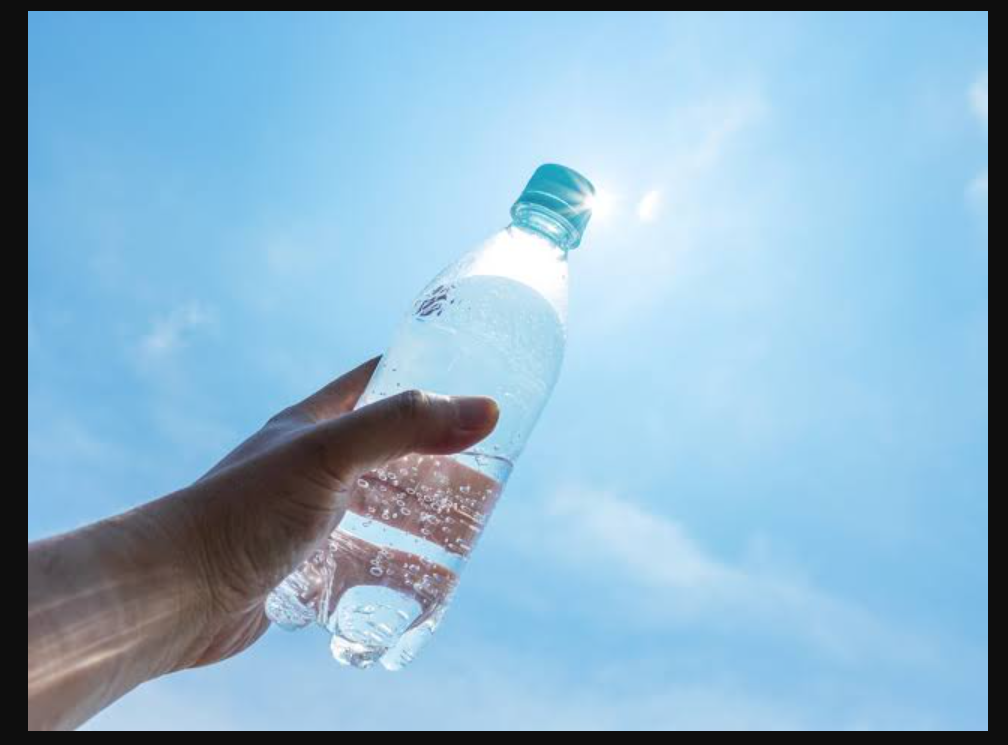

Punjab Chief Minister Maryam Nawaz has rejected a proposal to impose charges on bottled drinking water supplied under the province’s clean drinking water initiative. Instead, she directed officials to accelerate ongoing projects and ensure wider public access to safe drinking water.
The decision came during a meeting on the Punjab Saaf Pani Authority, where the chief minister reviewed the progress of clean drinking water schemes across the province.
She also instructed officials to submit daily progress reports on the pilot project currently distributing bottled drinking water in Bahawalpur, Rahim Yar Khan, Khushab, and Dera Ghazi Khan.
Public Feedback to Shape Future Expansion
During the meeting, Maryam Nawaz directed deputy commissioners in Bahawalpur, Rahim Yar Khan, and Khushab to gather public feedback on both the availability and quality of drinking water.
In addition, she instructed district administrations to assess the daily water requirements of residents in the pilot areas. The exercise aims to help authorities plan future expansion based on actual public demand.
Officials will monitor the project’s performance before extending similar initiatives to other parts of Punjab.
Thousands of Water Filtration Plants Underway
The meeting also reviewed the progress of water filtration projects across the province.
Officials informed the chief minister that work is currently underway on 864 water filtration plants. Meanwhile, construction of another 1,913 plants is expected to begin soon.
Maryam Nawaz directed the concerned departments to complete 1,886 water filtration projects across Punjab as early as possible. She stressed the importance of providing clean drinking water to communities through an efficient and sustainable system.
Free Bottled Water Distribution Continues
Under the pilot programme, the Punjab government is distributing 10,000 bottles of 19-litre drinking water free of charge across four districts.
The meeting also reviewed a proposal to supply clean drinking water directly to households through water tankers, particularly in areas facing limited access to safe drinking water.
Officials believe the combined strategy will improve water availability in underserved communities while permanent infrastructure is completed.
New Bottled Water Plants Planned Across Punjab
Authorities also presented a proposal to establish 670 bottled water plants across Punjab.
According to the plan, half of the plants will produce 5,000 litres of drinking water daily. The remaining facilities will each have a production capacity of 10,000 litres per day.
In addition, officials plan to establish 4,020 distribution points throughout the province to strengthen access to clean drinking water.
The meeting was informed that 860 bottles are currently distributed daily in Khushab, 780 in Rahim Yar Khan, 1,500 in the remote areas of Koh-e-Suleman in Dera Ghazi Khan, and 2,780 in remote parts of Bahawalpur.
The latest decisions reflect the provincial government’s continued focus on expanding access to safe drinking water while maintaining free distribution under the ongoing pilot programme.

