
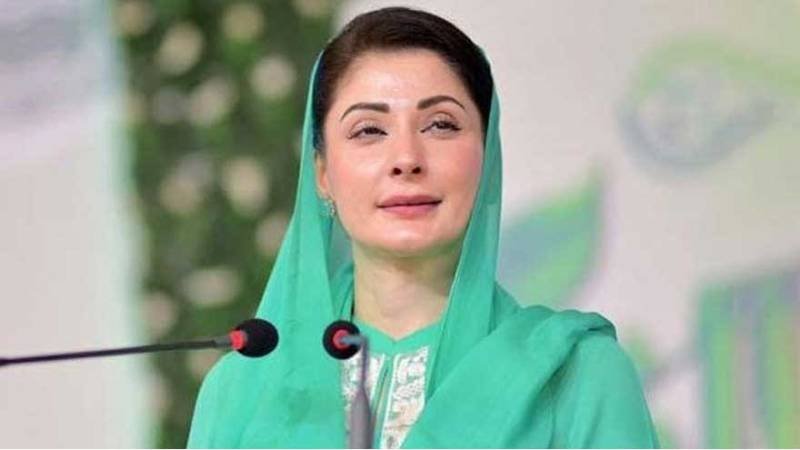

Punjab Chief Minister Maryam Nawaz Sharif has outlined an ambitious plan to change how government departments serve citizens. She said her administration wants to establish a system where people can access public services without political influence or personal recommendations.
The chief minister made these remarks during a meeting with participants of the 28th National Security Workshop of the National Defence University (NDU) in Lahore on Saturday, November 21, 2026.
The meeting focused on governance reforms, development projects, public welfare programmes and improving the performance of government institutions across Punjab.
Maryam Nawaz emphasized that merit should determine access to public services. She said citizens should not need influential contacts to receive services they are legally entitled to.
The chief minister explained that her government aims to reduce political interference in administrative matters and provide equal opportunities to residents.
She stressed that public institutions must serve citizens fairly, regardless of their political affiliations or personal connections.
During the meeting, Maryam Nawaz also highlighted the importance of national unity. She urged individuals and institutions to place Pakistan’s interests above personal and political considerations.
She said collective efforts were essential for achieving long-term economic development and national prosperity.
The chief minister also discussed the role of women in Pakistan’s social and economic development.
She argued that women deserve meaningful opportunities in education, employment and leadership rather than symbolic representation.
Maryam Nawaz stressed that outdated attitudes and traditional barriers should not prevent women from contributing to national progress.
She said women possess the skills and capabilities needed to succeed across different professional fields.
The chief minister urged institutions to support women’s participation in economic activities and decision-making processes.
She also emphasized that creating employment opportunities and delivering quality public services are fundamental responsibilities of the government.
According to Maryam Nawaz, improving institutional performance and strengthening administrative systems remain important priorities for Punjab.
The provincial government has been pursuing various development and public welfare initiatives to improve access to services.
However, the meeting did not include an announcement of a new funding package, specific recruitment drive or additional development budget.
Punjab Chief Secretary Zahid Akhtar Zaman also attended the meeting.
He briefed the delegation on the province’s administrative structure, governance framework and ongoing government initiatives.
The presentation covered the functioning of public institutions and measures intended to improve administrative efficiency.
Participants were given an overview of the provincial government’s approach to development and service delivery.
Maryam Nawaz also answered questions from the workshop participants and discussed the government’s plans for improving governance standards.
The delegation appreciated the initiatives presented during the meeting and described the discussion as productive and informative.
The chief minister invited the participants to visit different cities across Punjab to examine development projects and administrative initiatives firsthand.
She suggested that such visits would help them better understand the implementation of public welfare programmes at the local level.
The meeting concluded with the presentation of a commemorative souvenir to the chief minister. Participants also took a group photograph with her.
The interaction highlighted the provincial administration’s stated focus on merit, institutional accountability, women’s empowerment and equal access to government services.
However, the effectiveness of these commitments will depend on their practical implementation across public departments.
For ordinary citizens, the most important question is whether government services will become easier to access without political recommendations or influential connections.

