

A major health scandal has emerged in Pakistan’s capital after authorities arrested the chief executive officer of a well-known private laboratory over allegations involving counterfeit influenza vaccines.
The arrests have raised serious concerns about patient safety, vaccine authenticity and the supply of potentially dangerous medical products.
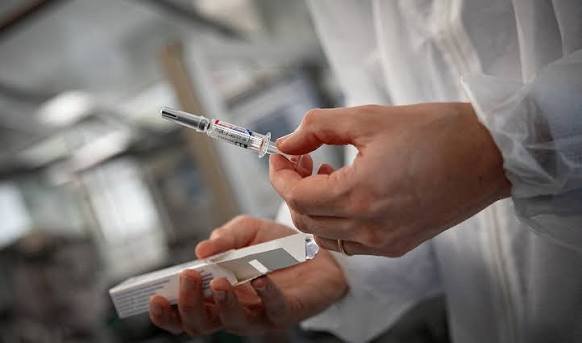
Health authorities recovered 27 suspected counterfeit flu vaccine injections during a raid at Excel Diagnostic Lab in Islamabad’s Blue Area. Three people, including the laboratory’s chief executive, were arrested in connection with the alleged distribution and administration of counterfeit vaccines.
The operation followed a complaint from a citizen who raised concerns about the authenticity of influenza vaccines being administered to patients.
The Islamabad Capital Territory Drug Control team conducted the operation under the supervision of Chief Drug Inspector Sardar Shabbir. Officials inspected the laboratory and seized suspected counterfeit Influvac Tetra injections along with relevant vaccination records. The Federal Investigation Agency (FIA) also participated in the operation after laboratory management allegedly resisted the inspection. Authorities identified the arrested individuals as Dr. Naseer Ahmed, the laboratory’s chief executive, and two other officials.
Investigators believe the laboratory had been administering vaccines that were not part of the authorized pharmaceutical supply chain.
According to health officials, the particular influenza vaccine had not been officially imported into Pakistan during 2026. The Drug Regulatory Authority of Pakistan (DRAP) had already issued an alert concerning counterfeit vaccine supplies. Officials also stated that laboratory testing had identified the relevant vaccine batch as counterfeit or substandard. The case took another significant turn when investigators examined the laboratory’s vaccination records.
According to information presented by the FIA, 26 patients may have received the suspected counterfeit influenza vaccine. The patients reportedly included the daughter of the person whose complaint triggered the investigation. The discovery has intensified concerns about the possible health risks faced by individuals who received the injections.
However, authorities have not publicly confirmed whether any affected patients experienced serious medical complications.
Investigators are now examining how the suspected counterfeit vaccines reached the laboratory and whether similar products were supplied to other healthcare facilities. The legal proceedings have also moved forward. On November 20, Judicial Magistrate Shaista Kundi granted the FIA a five-day physical remand of the three suspects. The investigating agency had requested 14 days to question the accused and examine the alleged vaccine supply network. However, the court approved five days of custody.
The remand allows investigators to question the suspects, examine financial and procurement records, and attempt to identify other individuals potentially involved. The FIA is also investigating allegations related to the possession and administration of counterfeit medicines, licensing violations and obstruction of drug inspectors.
The allegations have not yet been established through a final court verdict Federal Health Minister Mustafa Kamal expressed concern over the alleged circulation of counterfeit vaccines. He praised the drug control authorities for conducting the operation and directed officials to pursue strict legal action against those found responsible. The minister emphasized that protecting public health remained a priority and warned against activities that could endanger patients. He also reaffirmed the government’s commitment to controlling counterfeit and substandard medicines. The investigation comes amid concerns about the availability of seasonal influenza vaccines in Pakistan. Reports indicate that supplies of certain imported flu vaccines have remained limited during the current vaccination season.
Such shortages can create opportunities for unauthorized sellers to introduce suspicious products into the healthcare market. Influvac Tetra is an influenza vaccine designed to help protect individuals against certain strains of the flu virus. Vaccines work by stimulating the body’s immune system to recognize and respond to specific infections.
However, counterfeit or improperly manufactured vaccines may not provide the expected protection.They may also pose additional health risks if their ingredients, storage conditions or manufacturing processes cannot be verified.
Health professionals advise patients to obtain vaccines from authorized healthcare providers and ensure that the products come through legitimate supply channels. Patients who suspect they received an affected vaccine should contact a qualified healthcare professional and the relevant health authorities for guidance. The latest case has also raised questions about regulatory oversight of private laboratories and vaccination services.
Authorities will need to determine where the suspicious vaccines originated, how they entered the supply chain and whether other patients remain at risk.

