
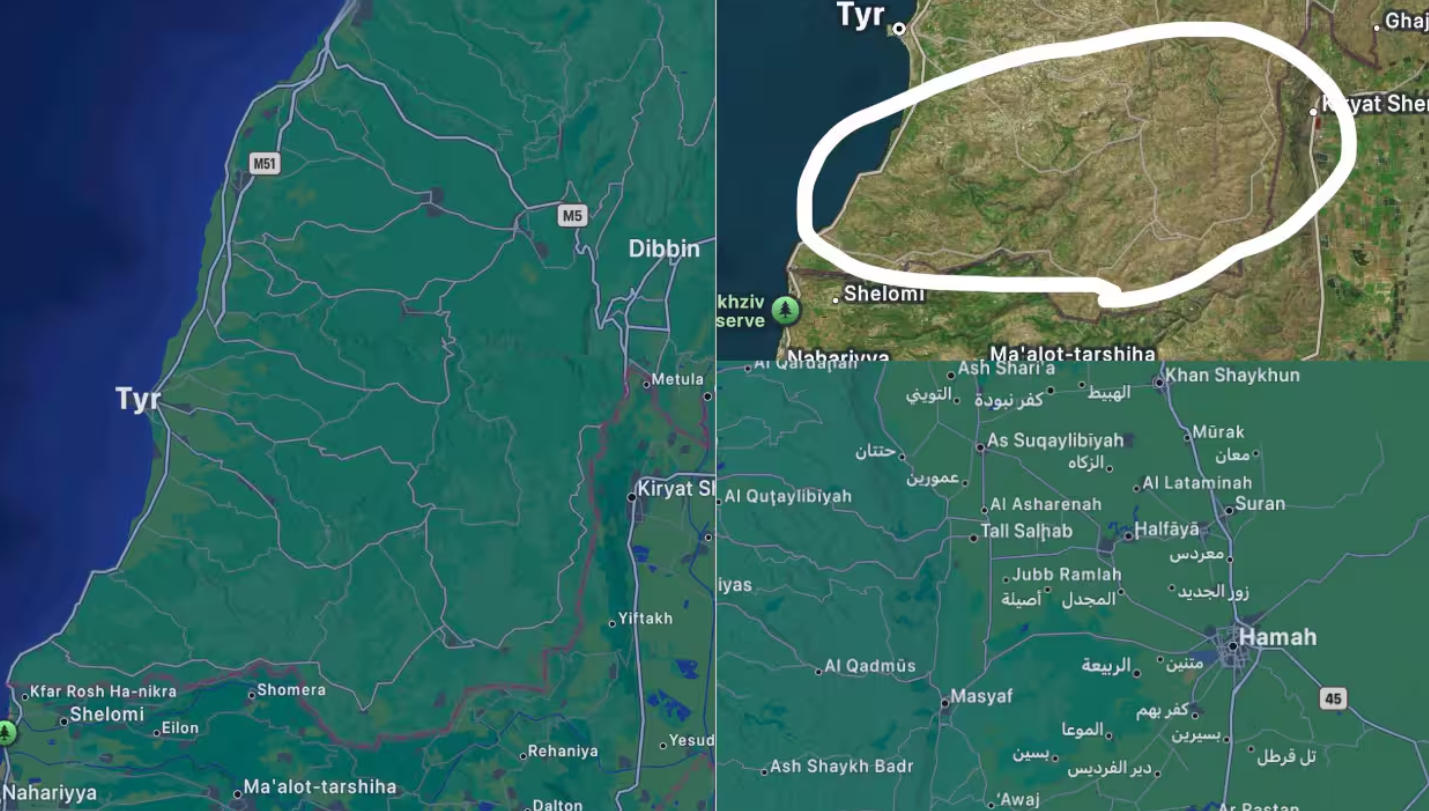

Apple Maps is facing criticism after users reported missing place names in South Lebanon. Several towns and villages appeared to be absent from the map interface.
This observation sparked online debate, especially amid ongoing regional tensions involving Israel and Hezbollah. Many users questioned whether the changes were intentional or accidental.
However, Apple has strongly denied claims that it removed any locations. The company stated that the areas in question were never fully detailed in its mapping system.
Company Responds to Removal Allegations
According to Apple, reports suggesting deliberate removal of South Lebanon locations are inaccurate. The company clarified that the missing labels were not part of a recent deletion.
Instead, Apple explained that some areas in southern Lebanon have historically had limited mapping coverage. Therefore, the current gaps reflect existing data limitations rather than recent edits.
This clarification came after social media users circulated screenshots showing differences between Apple Maps and other mapping platforms.
Social Media Comparison Raises Questions
Users on social platforms highlighted discrepancies between Apple Maps and other services. In contrast to Apple Maps, competing platforms displayed more detailed location names in the same region.
This difference led to further confusion and speculation. Some users believed the missing labels could indicate a data error or delayed update.
Others suggested that the issue may reflect incomplete mapping coverage rather than any intentional action.
Conflict Context Intensifies Debate
The controversy emerged during heightened tensions in the region. Ongoing clashes have increased sensitivity around territorial representation and digital mapping accuracy.
Because of this, even technical mapping differences are being interpreted through a political lens. Some observers warned that digital maps can unintentionally influence public perception of disputed areas.
However, no verified evidence supports claims of politically motivated removal within Apple’s system.
Possible Technical or Data Issues
Experts suggest that mapping inconsistencies can occur due to incomplete datasets or delayed updates. Large-scale digital mapping platforms often rely on third-party data sources.
Therefore, missing labels may result from gaps in regional data collection. Software updates or backend adjustments can also temporarily affect map visibility.
Some reports also speculated about possible cyber interference. However, no confirmed evidence has supported these claims.
Importance of Accurate Digital Mapping
Digital maps play a crucial role in navigation, safety, and situational awareness. Even minor inaccuracies can lead to confusion among users.
As a result, mapping platforms are expected to maintain high accuracy standards. This includes consistent updates and transparent correction of missing information.
When discrepancies appear, they often trigger public concern, especially in sensitive geopolitical regions.
Ongoing Questions Remain
While Apple maintains that no deliberate removal occurred, questions continue online. Users are still comparing map data across platforms for clarity.
The situation highlights how digital tools can become part of broader information debates during conflicts.
Ultimately, accuracy and transparency remain essential as reliance on digital maps continues to grow worldwide.

