
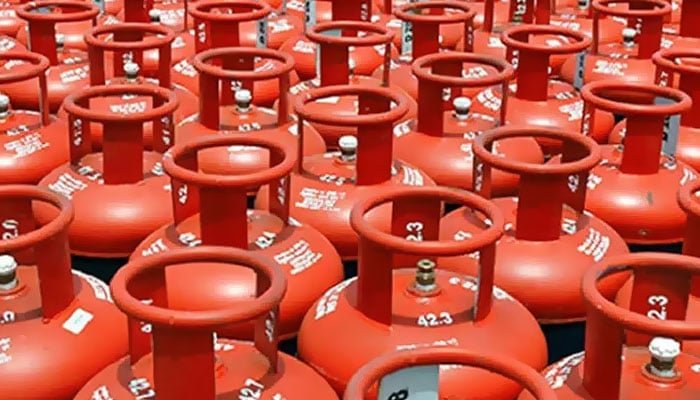

LPG prices in Lahore have surged far beyond the government-notified rate, placing additional financial pressure on households and low-income workers. Consumers are reportedly paying between Rs495 and Rs550 per kilogram, almost twice the official price.
The Oil and Gas Regulatory Authority (OGRA) has fixed the LPG price at Rs294.75 per kilogram. However, weak enforcement has allowed retailers to charge considerably higher rates, raising concerns about price regulation and consumer protection.
The situation has particularly affected households without piped natural gas, which depend on LPG for cooking and heating. Moreover, rickshaw drivers and commercial vehicle operators face mounting expenses because they rely on the fuel for their daily earnings.
LPG Prices in Lahore Exceed OGRA’s Official Rate
The difference between the notified and market prices has created a significant burden for consumers. While OGRA’s official rate stands at Rs294.75 per kilogram, some retailers reportedly charge as much as Rs550.
Consequently, families already struggling with household expenses must spend considerably more to secure essential cooking fuel. The rising cost has also affected transport workers, particularly those operating LPG-powered rickshaws.
Rickshaw Drivers Struggle With Rising Fuel Expenses
Majeed Ghauri, chairman of the Awami Rickshaw Union, described LPG as “the fuel of the poor”. He said around 70 per cent of the union’s members’ 43,000 auto-rickshaws and nearly 8,000 Qingqi rickshaws operated on LPG.
For these drivers, higher fuel prices directly affect their daily income. Muhammad Latif, 45, has driven a rickshaw for 30 years to support his family of seven. However, he says rising expenses have made it increasingly difficult to manage household costs.
“Previously, when LPG was cheap, we could earn a decent income. Now, it is difficult to get by on Rs800 to Rs900 a day,” he said.
Latif explained that he paid Rs600 daily to rent his rickshaw. Additionally, he refilled its tank three or four times each day, paying more than Rs500 per kilogram.
He also pays Rs13,000 in monthly house rent while supporting three young children and his elderly parents. Therefore, rising fuel costs leave him with little money to cover other necessities.
Higher Fares Become Difficult Despite Rising LPG Prices
Another rickshaw driver, Ashraf Khan, highlighted the difficulties of passing increased fuel expenses on to passengers. According to him, commuters often resist paying higher fares despite the rising cost of transportation.
“For a journey that should cost Rs200 to Rs250, passengers may offer only Rs100 to Rs150,” he said.
As a result, drivers face pressure from both increasing operating expenses and limited earning opportunities. This situation makes it harder for low-income transport workers to maintain their livelihoods.
Supply Constraints Add to LPG Price Pressures
The rising LPG prices have coincided with reported supply constraints. These include the closure of border crossings with Iran and natural gas load-shedding, which have further strained access to cooking fuel.
Consequently, households relying on LPG face additional uncertainty over fuel availability and affordability.
Meanwhile, broader economic pressures continue to affect Pakistani households. The country’s inflation rate reached 9.6 per cent in October, while the State Bank of Pakistan increased its policy rate to 12 per cent.
These economic pressures have further complicated financial conditions for households and low-income workers. With LPG selling considerably above OGRA’s notified rate, consumers and transport operators continue to face mounting difficulties.
For the latest updates, visit and follow The Truth International website (www.thetruthinternational.com) and subscribe to the YouTube Channel.

