

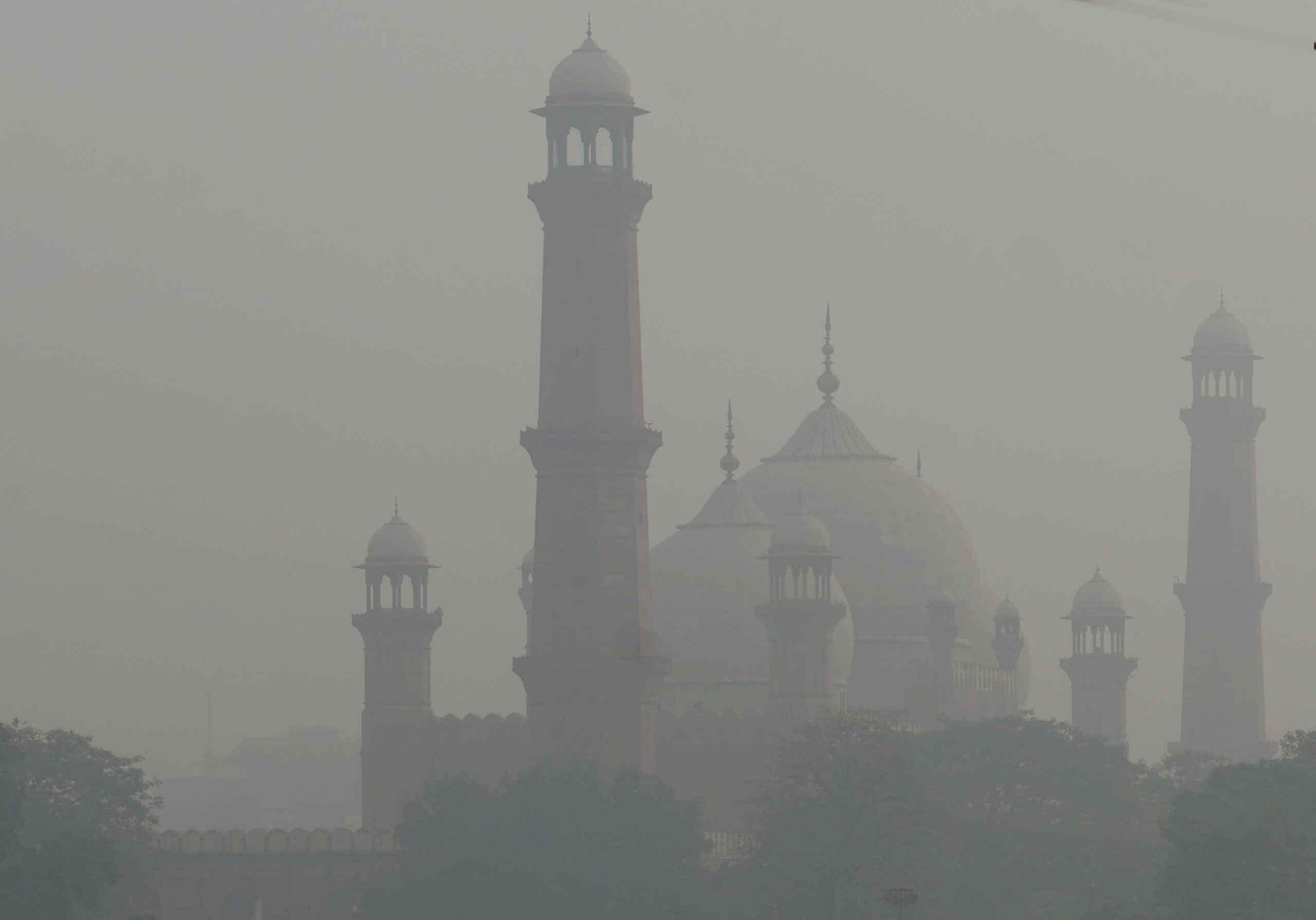

Air pollution in Pakistan is reaching critical levels and could lead to a significant reduction in life expectancy, particularly in the country’s most polluted regions such as Lahore, Sheikhupura, Kasur, and Peshawar. Utilizing its Air Quality Life Index (AQLI), the Energy Policy Institute (EPIC) at the University of Chicago has released a report that examines the correlation between particulate air pollution and its influence on life expectancy.
According to the AQLI, particulate pollution is the second most substantial threat to human health in Pakistan, following cardiovascular diseases, and it results in an average reduction of 3.9 years of life. If Pakistan were to adhere to the World Health Organization’s (WHO) guidelines of limiting the average annual PM 2.5 concentration to 5 micrograms per cubic meter, the average resident could gain 3.9 years of life.
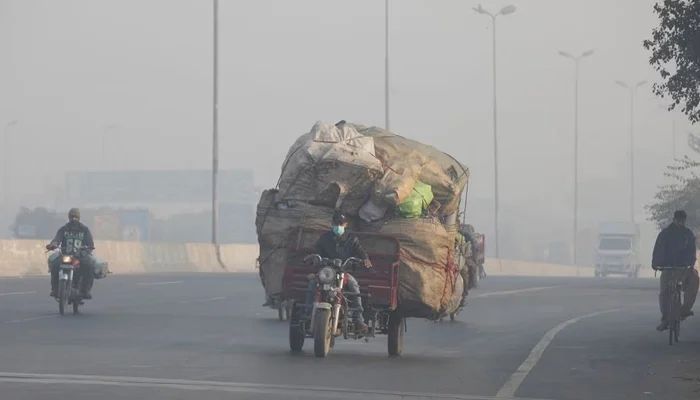
In comparison, other factors such as child and maternal malnutrition, as well as maternal and neonatal disorders, reduce the average life expectancy by 2.7 years. This highlights the significant impact of air pollution on the health and well-being of the population in Pakistan.
