
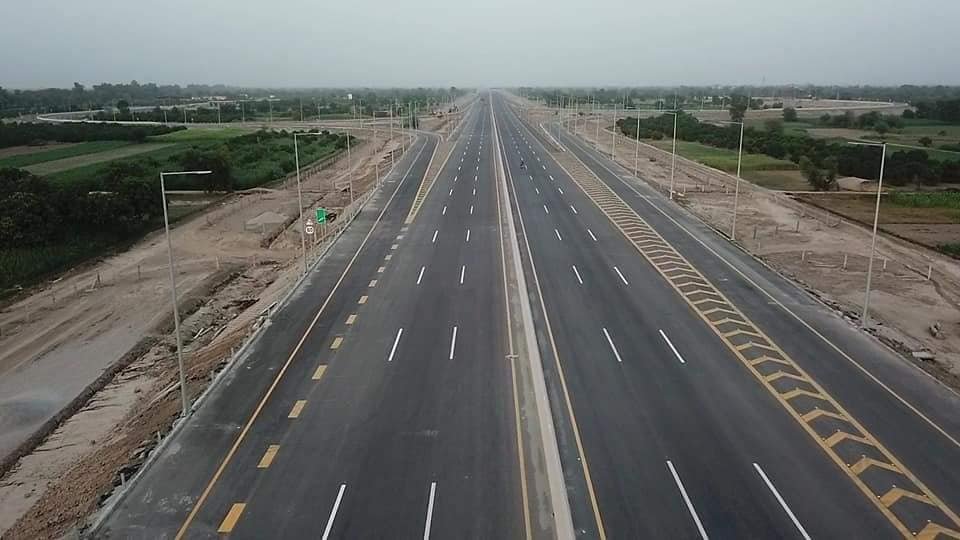

The Lahore-Bahawalpur motorway project will likely begin during the next fiscal year. Planning Minister Ahsan Iqbal shared the update with a National Assembly committee. He reaffirmed the government’s commitment to completing the nationally important project.
Government Reaffirms Commitment to Project
The National Assembly Standing Committee on Planning held the meeting under Chairman Abdul Qadir Gilani. During the session, committee member Naveed Qamar raised concerns about project delays. He requested details regarding the expected completion timeline.
Qamar described the Lahore-Bahawalpur route as a vital highway. Therefore, he urged the ministry to explain the reasons behind delays. In response, Ahsan Iqbal highlighted the route’s strategic importance. He said the motorway remained a key component of Pakistan’s development corridor.
The minister explained that authorities had already awarded the project’s tender. However, the government that assumed office in 2018 terminated the scheme. Consequently, the project faced significant setbacks and delays.
Funding Challenges and Future Plans
Ahsan Iqbal said the government later explored a public-private partnership model. Additionally, authorities secured international financing to support project implementation. He expressed optimism that construction would start during the next fiscal year.
Furthermore, the minister emphasized the government’s determination to complete the motorway. He noted that both federal and provincial governments faced limited development budgets. As a result, available fiscal space for new projects remained constrained.
The minister warned that funding delays could increase project costs substantially. He stressed that timely completion remained essential for economic efficiency. Otherwise, prolonged delays could cause financial losses and development setbacks.
Meanwhile, Naveed Qamar highlighted concerns about committee oversight. He observed that national-level committees did not meet regularly. Therefore, he proposed including committee members in planning bodies. He said stronger coordination could improve transparency and project monitoring.

