
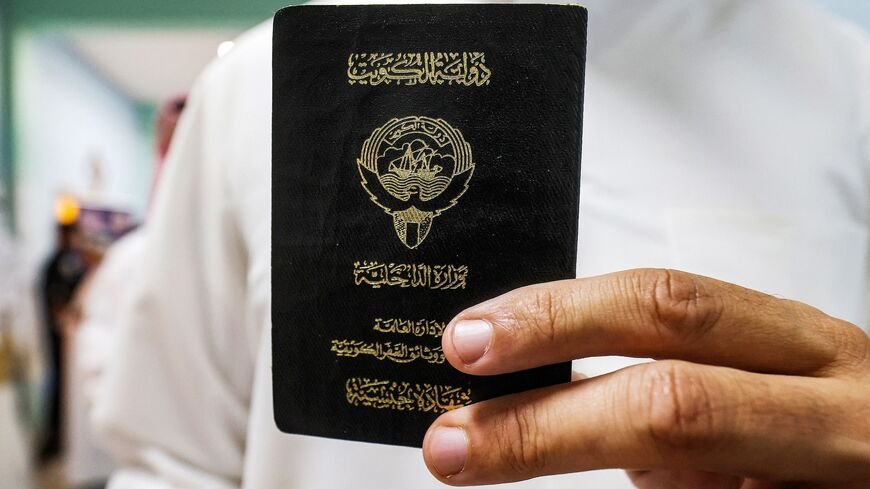

Kuwait has revoked the citizenship of 2,193 individuals under a new series of decrees published in the country’s official gazette, Kuwait Alyawm. The latest measures also extend to dependents who acquired nationality through the affected individuals.
According to local media reports, three decrees numbered 22, 23, and 24 of 2026 were issued as part of Kuwait’s ongoing nationality review campaign. Decree No. 22 withdrew citizenship from two individuals, while Decree No. 23 affected 1,104 people. Meanwhile, Decree No. 24 targeted 1,076 individuals. In addition, a separate decree revoked citizenship from 11 more people, bringing the total number affected in the latest round to 2,193.
The actions form part of amendments to Kuwait’s 1959 Nationality Law introduced through Amiri Decree No. 15, published in April 2026. Under the revised framework, newly naturalized citizens must renounce any other nationality within three months, as Kuwait does not recognize dual citizenship.
Furthermore, authorities may revoke citizenship obtained through fraud, false statements, or inaccurate documentation. The law also permits withdrawal in cases involving certain criminal convictions, national security concerns, or actions deemed harmful to public order and national interests.
Another significant change ended naturalization through marriage. The reform abolished a process that previously allowed foreign women married to Kuwaiti citizens to obtain nationality. Official figures show that 38,505 women received Kuwaiti citizenship through marriage between 1993 and 2020.
Since March 2024, Kuwait has revoked citizenship from more than 71,000 people, excluding spouses and descendants who may also lose nationality through related decisions. Several high-profile figures have been affected, including singer Nawal The Kuwaiti and actor Dawood Hussain.
Human rights organizations, including Amnesty International and Human Rights Watch, have criticized the policy. They argue that nationality is a fundamental human right and warn that citizenship withdrawals can leave individuals and families facing uncertainty, including the risk of becoming stateless.

