

The Kremlin firmly rejected U.S. intelligence claims that Russia interfered in American elections after President Donald Trump raised concerns about election security. The exchange added fresh tension to already strained relations between Washington and Moscow.
During a 25-minute address at the White House on Thursday, Trump questioned the integrity of the U.S. electoral system. He argued that foreign powers could exploit vulnerabilities in election infrastructure.
Moreover, Trump identified China, Iran, and Russia as countries capable of attempting election interference. He also announced the declassification of intelligence documents describing foreign governments’ alleged capabilities to compromise U.S. election systems.
The president said the documents supported his call for stricter voting laws and stronger election safeguards. However, he did not present new public evidence proving that foreign governments had manipulated recent U.S. elections.
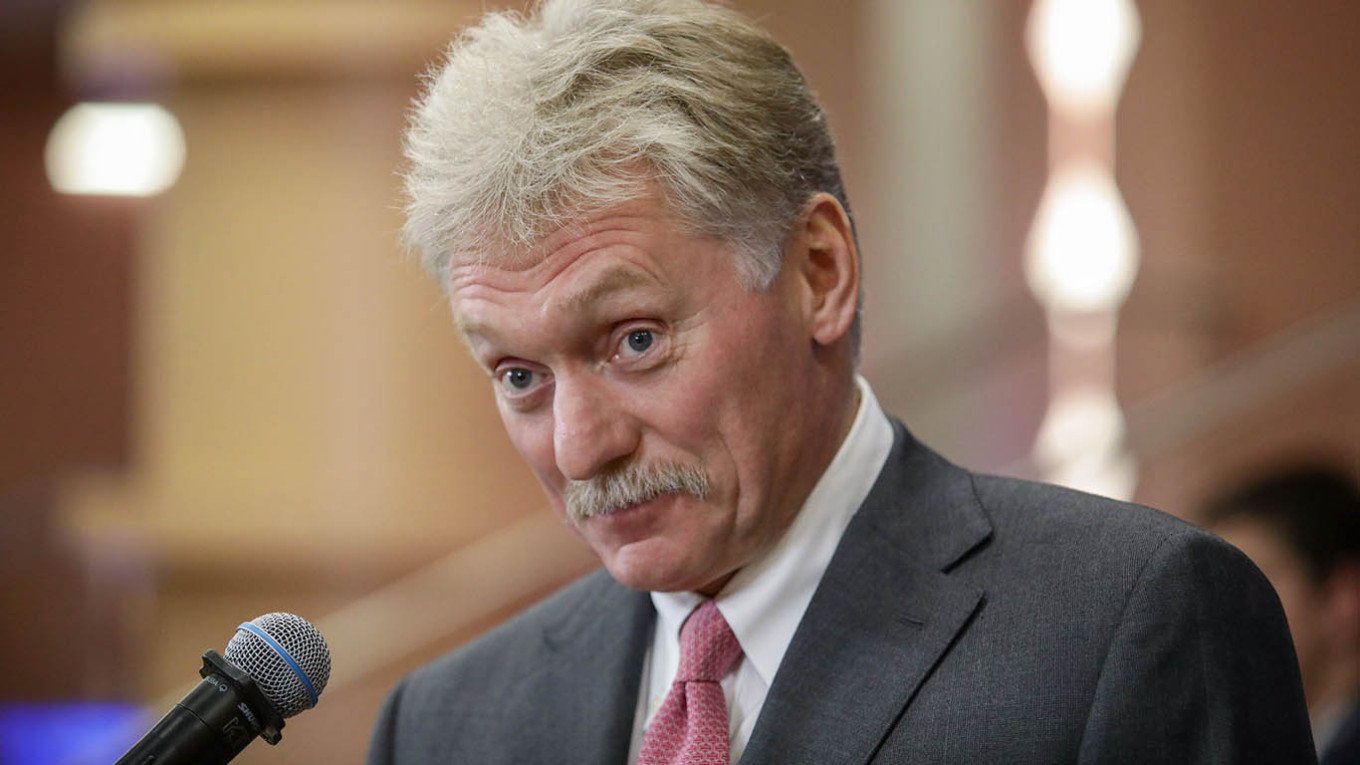
Meanwhile, Kremlin spokesman Dmitry Peskov dismissed the allegations during a daily briefing on Friday. He said Russia had never interfered in the domestic affairs of other countries.
Furthermore, Peskov said Moscow expected other nations to avoid interfering in Russia’s internal affairs. He also described the intelligence cited by Trump as unattributed and unsubstantiated.
Peskov argued that previous American investigations into alleged Russian election interference did not establish wrongdoing by the Russian government. Therefore, the Kremlin maintained its longstanding denial of election meddling accusations.
China also rejected Trump’s claims that it had obtained data on about 220 million American voters. Beijing described the allegation as fabricated and a malicious attempt to damage its reputation.
Meanwhile, Trump’s political opponents criticized his White House speech and questioned its timing. They argued that the remarks could create uncertainty before the November midterm elections.
Critics also claimed the address aimed to shift public attention from domestic challenges. They pointed to the ongoing conflict involving Iran and persistent economic concerns as factors affecting Trump’s approval ratings.

