
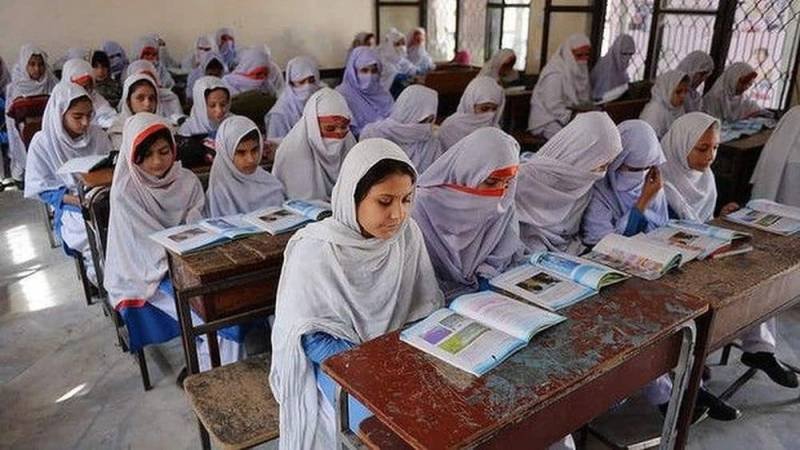

The Khyber Pakhtunkhwa government has decided to outsource nearly 2,000 government schools across the province in a major move aimed at improving educational performance and increasing student enrollment.
The decision follows a similar outsourcing model previously introduced in the healthcare sector for public hospitals. Provincial authorities believe private sector management can help improve operational efficiency, student attendance, and academic performance in underperforming schools.
According to officials from the provincial education department, the outsourcing plan mainly targets government primary schools across different districts of Khyber Pakhtunkhwa.
The initiative is being presented as part of broader education reforms designed to address low enrollment, weak infrastructure, and staffing challenges in public schools.
Thousands of Government Schools to Be Handed to Private Sector
Under the approved policy, around 2,000 government primary schools will gradually be transferred to private management.
Education department officials confirmed that approximately 500 schools have already been outsourced under earlier phases of the project.
Authorities stated that the provincial government will continue providing financial support to outsourced institutions. Each school will reportedly receive around Rs. 300,000 per month to cover operational expenses, including teacher salaries and administrative costs.
Officials believe the partnership with private organizations can help improve school management and educational outcomes more effectively than traditional systems.
The outsourcing initiative is expected to focus on:
- Improving student enrollment
- Enhancing attendance rates
- Strengthening academic performance
- Better utilization of school resources
- Increasing teacher accountability
The government stated that performance monitoring mechanisms will remain active to ensure educational standards are maintained.
Enrollment Numbers Show Major Improvement After Outsourcing
According to the education department, schools already operating under outsourced management have shown significant increases in student enrollment.
Officials revealed that 233 schools located in winter-zone areas have already been outsourced successfully.
Data shared by authorities indicates that student enrollment in outsourced schools increased by 89 percent after management changes were introduced.
Enrollment reportedly rose from 4,086 students to 7,718 students following the outsourcing process.
Education officials described these figures as encouraging signs that the model is helping restore public trust in government schools.
The provincial government now aims to raise average enrollment levels from around 40 students per school to nearly 180 students within one year.
Officials believe improved management systems, stronger accountability, and better operational oversight are contributing to the increase in admissions.
Government Warns of Strict Performance Monitoring
The Khyber Pakhtunkhwa government stated that outsourced schools will remain under strict supervision to ensure educational goals are achieved.
Authorities warned that contracts could be canceled if private operators fail to meet required performance targets and operational standards.
The education department emphasized that accountability measures will remain central to the outsourcing framework.
Officials said schools will regularly be evaluated based on:
- Student enrollment growth
- Attendance rates
- Teaching quality
- Academic performance
- Administrative efficiency
The government maintains that the primary objective is to improve access to quality education while reducing inefficiencies within the public education system.
However, the decision has also triggered debate among education experts and teachers regarding the long-term impact of privatizing public schools.
Supporters argue that outsourcing may improve management and revive struggling institutions, while critics fear it could weaken direct government responsibility toward public education.
Despite the concerns, provincial authorities remain confident that the initiative will help modernize the education sector and improve learning opportunities for students across Khyber Pakhtunkhwa.

