
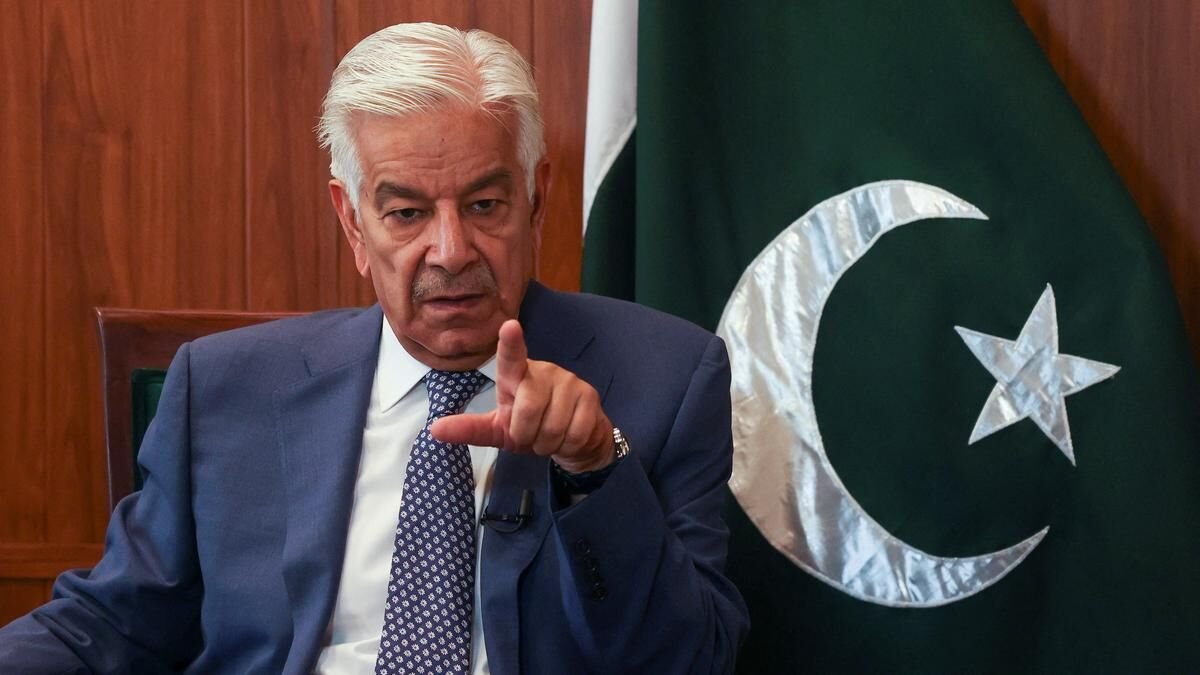

Defence Minister Khawaja Asif has supported the creation of additional provinces in Pakistan, saying the country could consider establishing as many as 12 administrative units. He argued that population growth and the concentration of government authority have made changes to the existing administrative structure necessary.
Speaking in an interview on Sunday, November 8, Asif said Pakistan should reconsider its current system to improve public services and strengthen governance. He added that the proposal to establish new provinces had remained under discussion for approximately two months.
Khawaja Asif Calls for Decentralisation of Power
Asif said several countries have established multiple administrative units to manage their populations and provide better public facilities. He referred to Afghanistan, which previously had around eight to 10 provinces before expanding the number to approximately 30 to 32.
The defence minister argued that Pakistan should not concentrate administrative authority in major provincial capitals, including Lahore, Karachi, Quetta and Peshawar. Instead, he suggested transferring greater powers to smaller administrative units to improve governance and bring public services closer to citizens.
Moreover, he criticised the existing distribution of government funds, saying provincial administrations often control resources that should reach local government institutions.
Minister Says 12 Administrative Units Could Be Considered
Asif maintained that local government institutions remain dependent on provincial administrations despite their responsibility for addressing public needs. He called on political leaders to recognise that public authority represents a responsibility rather than a personal privilege.
He also said Pakistan should not hesitate to establish 12 administrative units if policymakers consider the proposal suitable. However, he stressed that authorities must not create new provinces based on language, ethnicity or narrow political interests.
According to the minister, administrative restructuring should focus on improving public welfare, strengthening institutions and ensuring effective delivery of essential services.
His remarks have renewed discussions about Pakistan’s provincial structure and the possibility of redistributing administrative powers across the country.
For the latest updates, visit and follow The Truth International website (www.thetruthinternational.com) and subscribe to the YouTube Channel.

