
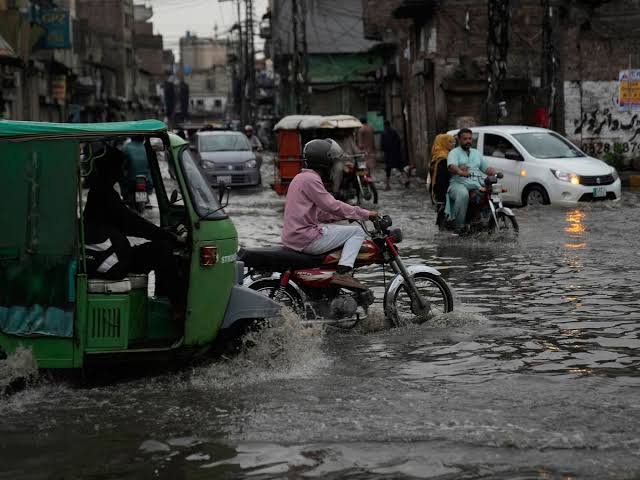

KARACHI: Monsoon rains have started affecting different parts of Pakistan, bringing fresh concerns for Karachi as the city prepares for the rainy season. Although the Pakistan Meteorological Department (PMD) expects below-normal rainfall this year, experts warn that even moderate showers could create serious flooding problems.
The city has a long history of urban flooding. In previous years, rainfall of only 15 millimeters has disrupted daily life, affected businesses, and submerged major roads and residential areas.
Meanwhile, concerns are increasing because storm-water drain cleaning is moving slowly. Experts believe Karachi needs more than temporary measures to manage recurring flooding.
Experts Demand Long-Term Flood Solutions
Yasir Hussain, Director of the Climate Action Centre and an environmental expert, said yearly drain cleaning does not offer a permanent solution. He described the practice as a short-term approach that uses public funds without solving the city’s drainage problems.
“Drain cleaning is only a short-term solution,” Hussain said. “Karachi needs a long-term rainwater harvesting system, including injection wells, rooftop water storage, and small dams to capture rainwater. Restoring natural waterways and removing encroachments on storm-water drains will help reduce flooding, recharge groundwater and improve the city’s water security.”
He suggested developing a proper rainwater harvesting system to store and manage rainfall. According to him, solutions such as injection wells, rooftop storage, and small dams can reduce flooding risks.
He also stressed the need to restore natural waterways and remove illegal structures around storm-water drains.
Unplanned Growth Damaged Karachi’s Drainage Network
Regional planner Dr Syed Nawaz-ul-Huda linked Karachi’s flooding problems to years of poor urban planning. He explained that natural drainage channels once carried rainwater through the Lyari and Malir rivers into the sea.
However, rapid expansion, illegal settlements, encroachments, waste dumping, and unauthorized sewer connections have damaged the city’s drainage network.
“Karachi’s drainage system has been crippled by decades of unplanned urbanization, encroachments, illegal sewer connections and garbage dumping,” Dr Syed Nawaz-ul-Huda said. “The city needs an empowered local government, funding based on its needs, long-term rainwater harvesting, regular drain cleaning and strict action against illegal dumping. Even with below-normal rainfall forecast, damaged roads and ongoing development projects could cause major disruption.”
He added that Karachi requires stronger local management, proper funding, and strict action against activities that block drainage routes.
Several Areas Remain Vulnerable to Flooding
A Karachi Metropolitan Corporation (KMC) report identified multiple locations that regularly experience waterlogging during heavy rainfall.
High-risk areas include Tower, PIDC, I.I. Chundrigar Road, Shaheen Complex, Jinnah Bridge, Nursery, Karsaz, Natha Khan, FTC Flyover, Airport area, Gurumandir, Civic Centre, NIPA Chowrangi, Rashid Minhas Road, Stadium Flyover, Liaquatabad, and Karimabad.
The report also highlighted several other vulnerable locations. These include Nagan Chowrangi, Banaras Chowrangi, Safoora Goth, Saadi Town, Thaddo Dam, Lal Basti, and parts of Malir.
Other areas such as Gulshan-e-Iqbal, Saddar, Korangi Industrial Area, University Road, Gulistan-e-Jauhar, Lyari, Kharadar, Bolton Market, and Soldier Bazaar also face flooding risks during heavy rainfall.
KMC Continues Drain Cleaning Campaign
A KMC official said the annual drain-cleaning campaign started on June 29 and will continue until the end of September.
The KMC manages 45 major storm-water drains across the city, while town administrations handle 512 smaller drains. The official said authorities are working with town administrations to remove blockages before intense monsoon activity begins.
However, experts believe Karachi needs permanent planning rather than seasonal measures. They argue that better drainage infrastructure, rainwater storage systems, and improved urban management can help the city reduce future flood risks.

