
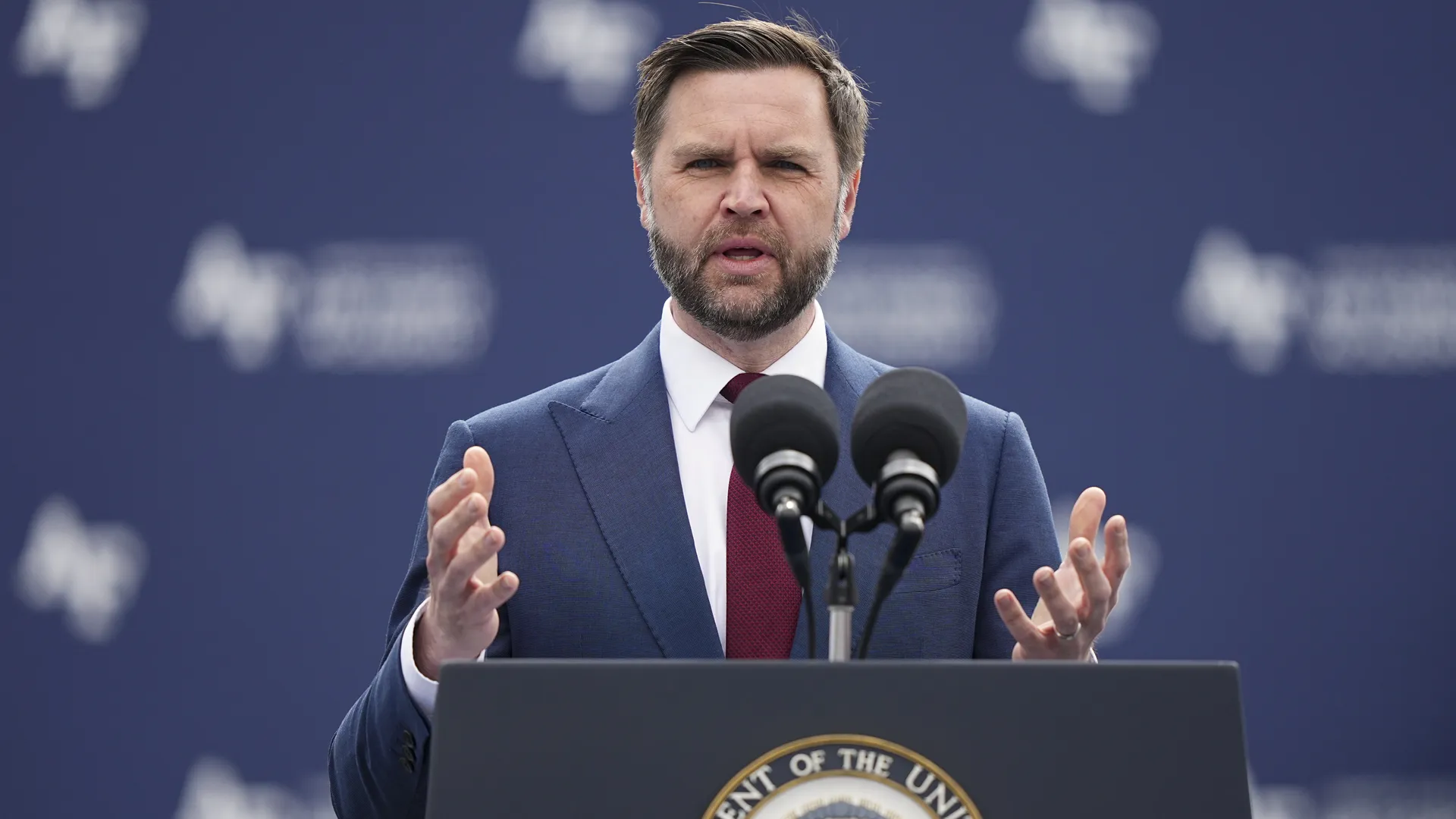

US Vice President JD Vance and the nation’s top military general urged President Donald Trump to avoid major escalation in the war with Iran.
According to CNN, Gen. Dan Caine, chairman of the Joint Chiefs of Staff, warned Trump about declining US munitions stockpiles.
However, Caine also joined Vance in cautioning against restarting full-scale combat operations against Iran.
Military officials reportedly warned that renewed major fighting could cause massive civilian casualties and trigger wider regional escalation.
Furthermore, officials cautioned that attacks on civilian infrastructure could leave millions of Iranians without electricity, food and essential services.
Potential targets reportedly included roads, bridges and power plants, raising concerns about the humanitarian consequences of expanded military operations.
Meanwhile, officials also warned that renewed conflict could create a major refugee crisis across the region.
They also raised concerns about possible Iranian retaliation against energy facilities and desalination infrastructure across Gulf countries.
US Central Command Commander Brad Cooper reportedly told the White House that intensive strikes had significantly weakened Iran’s ability to target commercial vessels.
The strikes focused heavily on areas surrounding the Strait of Hormuz, according to reports.
However, sources said Cooper believed most designated bombing targets had already been exhausted.
Consequently, he reportedly argued that continuing the campaign would offer little strategic benefit without moving toward full-scale combat.
The military assessment reportedly played an important role in Trump’s decision to suspend operations on Friday.
The discussions highlighted growing concerns within the US administration about the costs and consequences of expanding the conflict.
Meanwhile, military leaders continued assessing the risks to American forces, regional stability and global energy supplies.
The warnings also reflected concerns that further escalation could produce unpredictable consequences across the Middle East.
Trump’s decision to suspend operations therefore followed a broader assessment of military capacity, humanitarian risks and potential regional retaliation.

