

In Japan’s historic city of Kanazawa, ice is being treated as far more than a simple way to chill a drink.
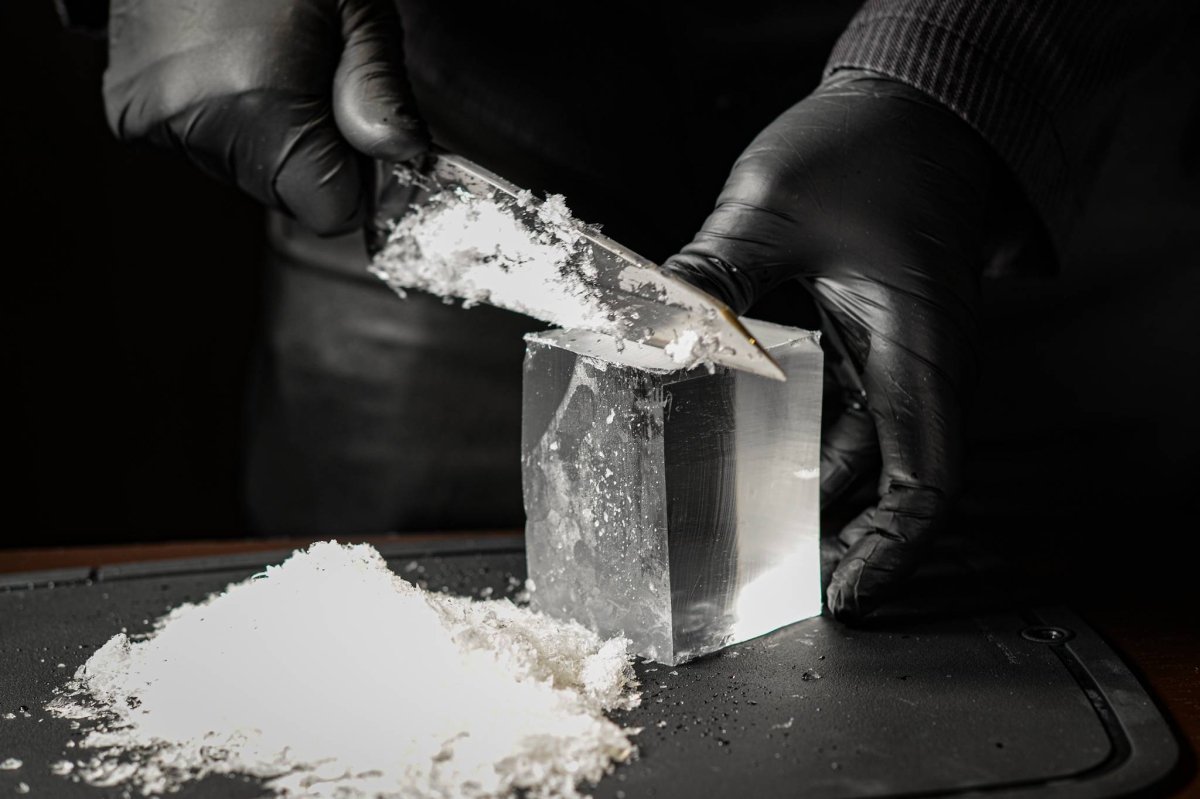
Skilled craftsmen at Kuramoto Ice carefully shape large blocks of ultra-clear ice for premium cocktails served in some of the world’s leading bars.
The century-old company is based in Ishikawa Prefecture, on Japan’s Sea of Japan coast. It is among dozens of Japanese businesses producing high-quality ice for the country’s sophisticated cocktail culture.
Now, the Japanese ice-making tradition is gaining international attention. Bars in countries including the United States, Singapore and Australia are importing the product despite its significantly higher price.
Some overseas customers reportedly pay as much as 200 yen, or about $1.25, for a single cube.
A Slow Process Creates Crystal-Clear Ice
Kuramoto Ice uses a time-consuming freezing process designed to produce exceptionally clear ice.
Water is frozen gradually over 48 to 72 hours. This is much slower than conventional homemade ice or industrial ice machines.
As freezing begins, ice forms from the outside toward the centre. Impurities and other particles are pushed toward the remaining liquid water.
Workers remove that water and replace it with fresh water during the process. Continuous movement also helps eliminate trapped air bubbles.
The result is almost completely transparent ice, known in Japan as “junpyo”.
Kazuhiko Kuramoto, the company’s fifth-generation head, said the process requires patience and careful control.
“We take our time and freeze water slowly, keeping it in motion,” Kuramoto said.
He described the finished product as resembling a jewel, highlighting the visual appeal that has made Japanese premium ice popular among high-end bartenders.
Why Luxury Bars Are Paying More for Ice
The appeal is not only visual.
Industry professionals believe dense, clear ice melts more slowly than ordinary ice. This can help keep cocktails cold while limiting dilution.
Scientific evidence supporting all of these claims remains limited, but bartenders say the difference can be noticeable in carefully prepared cocktails.
Native, a prominent cocktail bar in Singapore, imports around 900 kilograms of Kuramoto Ice each year.
The bar’s co-owner, Yong Wei, said locally produced ice is more economical. However, he described Kuramoto’s product as clearer, denser and slower to melt.
The company has also experienced strong commercial growth. Its total sales have more than doubled since it began exporting ice in 2019.
Ice-Making Becomes Part of Japanese Cocktail Culture
At the Kanazawa factory, workers wearing full-body protective clothing move massive blocks of ice across the production floor.
The blocks are then carefully cut and carved into different shapes. These include spheres, cubes and rectangular pieces with precisely finished edges.
The company can produce ice specifically designed to fit individual glasses.
After being packaged, the finished pieces are stored at around minus 10 degrees Celsius until they are ready for shipment.
The attention to detail reflects the importance of ice in Japan’s cocktail culture.
Japanese bartenders often learn how to handle and break ice with precision during their training.
At a Hilton Hotel bar near Tokyo, bartender Shingo Miyachi uses one of Kuramoto Ice’s large clear cubes to prepare a negroni.
The cube fits closely inside the glass and is so transparent that it can appear almost invisible.
Miyachi said ice can have a major influence on a cocktail’s flavour. As it melts, he explained, it can affect the drink’s lingering aftertaste.
For Japanese bartenders, therefore, ice is not simply a cooling ingredient. It is part of the overall construction of the drink.
From Japan to Bars Around the World
Kuramoto Ice is now one of the relatively few Japanese premium ice producers exporting internationally.
The company’s expansion has been driven partly by demand from expensive cocktail bars that want greater control over temperature, dilution and presentation.
Kuramoto said his interest in the international market grew after he visited Las Vegas more than a decade ago.
He noticed that some high-end cocktail venues were using ice that melted quickly and diluted expensive drinks.
That experience convinced him there was an opportunity for Japanese-style ice production in the United States.
The traditional method had once been used more widely in America but had largely disappeared as faster industrial production became dominant.
Kuramoto saw an opportunity to revive interest in carefully made ice by bringing the Japanese approach to international cocktail markets.
The Environmental Question
The growing popularity of Japanese luxury ice also raises questions about the environmental cost of shipping a heavy product across international distances.
Transporting hundreds of kilograms of frozen water from Japan to overseas markets requires energy and refrigeration.
Kuramoto acknowledges the concern but argues that the environmental impact of transporting small specialty products is relatively limited compared with larger commodities.
For customers and bartenders, the attraction remains the same: highly transparent ice that is carefully shaped and designed to become part of the drinking experience.
When Ice Becomes an Art Form
The philosophy behind Japan’s premium ice industry reflects a broader culture of precision and craftsmanship.
Bartenders pay close attention to the shape, size and quality of ice because each factor can affect how a drink looks, cools and changes as it melts.
Miyachi described the relationship between the drink, the glass and the ice as central to the final cocktail.
In this approach, the cocktail is not considered complete when the liquid is poured.
The glass, ice and drink are treated as a single combination.
What began as a traditional Japanese technique is now becoming a global luxury product. From Kanazawa factories to cocktail bars in Singapore, the United States and beyond, Japanese ice is turning an ordinary ingredient into a symbol of craftsmanship and premium drinking culture.

