

Inspection Finds Treatment Facility Issues
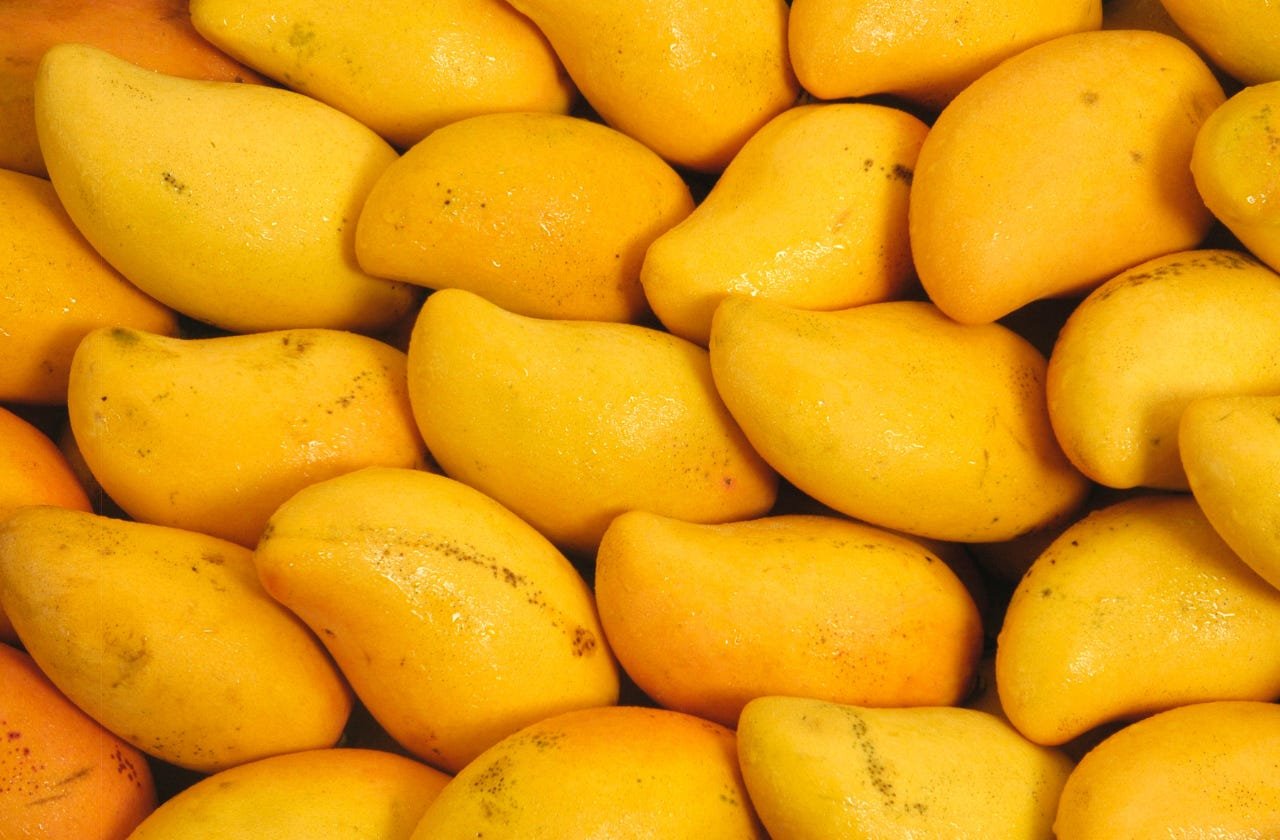
Japan has suspended imports of Indian mangoes after inspectors found deficiencies at a key treatment facility in northern India. The move has created concern among mango exporters and growers.
The suspension follows an inspection of a vapour heat treatment facility in Uttar Pradesh. Japanese officials reportedly identified weaknesses in fumigation and disinfection procedures.
The vapour heat treatment process is used to protect exported mangoes from pests and fruit fly larvae. It is a major requirement for mango exports to countries with strict quarantine rules.
Following the inspection, the Yokohama Plant Protection Association said mango shipments certified after March 25, 2026, would not be accepted. The restriction will remain in place until Indian facilities meet Japan’s quarantine standards.
Popular Mango Varieties Hit by Suspension
The import suspension affects several well-known Indian mango varieties. These include Alphonso, Kesar, Langra and Banganapalli.
Exporters have raised concerns over the decision. They argue that the action affects the entire Indian mango industry, even though the problems were found at a specific facility.
According to Indian government data, fresh and processed mango exports to Japan were valued at about $1.54 million during 2025-26. Gujarat’s Kesar mango held the largest share in exports to the Japanese market.
Industry representatives say the timing is difficult. Exporters are already facing higher freight charges, shipping delays and shortages of refrigerated containers. These problems have been linked to wider geopolitical tensions in the Middle East.
Industry Seeks Early Resolution
The Indian government has not issued an official response to the suspension so far. However, industry representatives say discussions with Japanese authorities are continuing.
Ali, president of the Mango Growers Association of India, said stakeholders had been promised some solution on the issue.
This is the first major suspension of Indian mango imports by Japan in nearly two decades. Japan had earlier imposed restrictions in 1986 over fruit fly concerns. Those restrictions were lifted in 2006 after India improved pest-control and treatment measures.
Exporters now hope the matter will be resolved quickly before the suspension causes deeper losses for growers, traders and mango shipment businesses.

