

India’s capital has lost one of its most recognisable venues for public demonstrations. Delhi Police has removed Jantar Mantar’s official status as an authorised protest site after more than three decades.
The decision ends a long chapter for a location where citizens gathered to demand political action and raise public concerns. Trade unions, students, retired soldiers, women’s rights groups and anti-corruption campaigners have all held demonstrations there.
Delhi Police Names Three Alternative Protest Venues
Delhi Police issued the order on October 11, replacing Jantar Mantar with three alternative locations. These include Ramlila Maidan in Old Delhi, Burari Ground in north Delhi and CBD Ground in east Delhi.
The Union Home Ministry had formed a committee to examine alternative venues for demonstrations. Police said the decision followed the committee’s recommendations.
However, authorities have not announced a complete ban on public protests across Delhi. Instead, demonstrators must use the newly designated locations.
Why Jantar Mantar Mattered to Protesters
Jantar Mantar became an official protest site in 1993. Its central location placed demonstrators close to Parliament, government offices and major media organisations.
That proximity helped campaigners draw public attention to their demands. Activists argue that moving demonstrations away from the centre could reduce visibility and make participation more difficult for people travelling from other states.
Human rights activist Shabnam Hashmi criticised the decision, saying the location played an important role in democratic expression.
Some local residents, however, welcomed the change. They have complained about traffic disruptions, noise, garbage and blocked roads during demonstrations.
Decision Sparks Fresh Debate Over Dissent
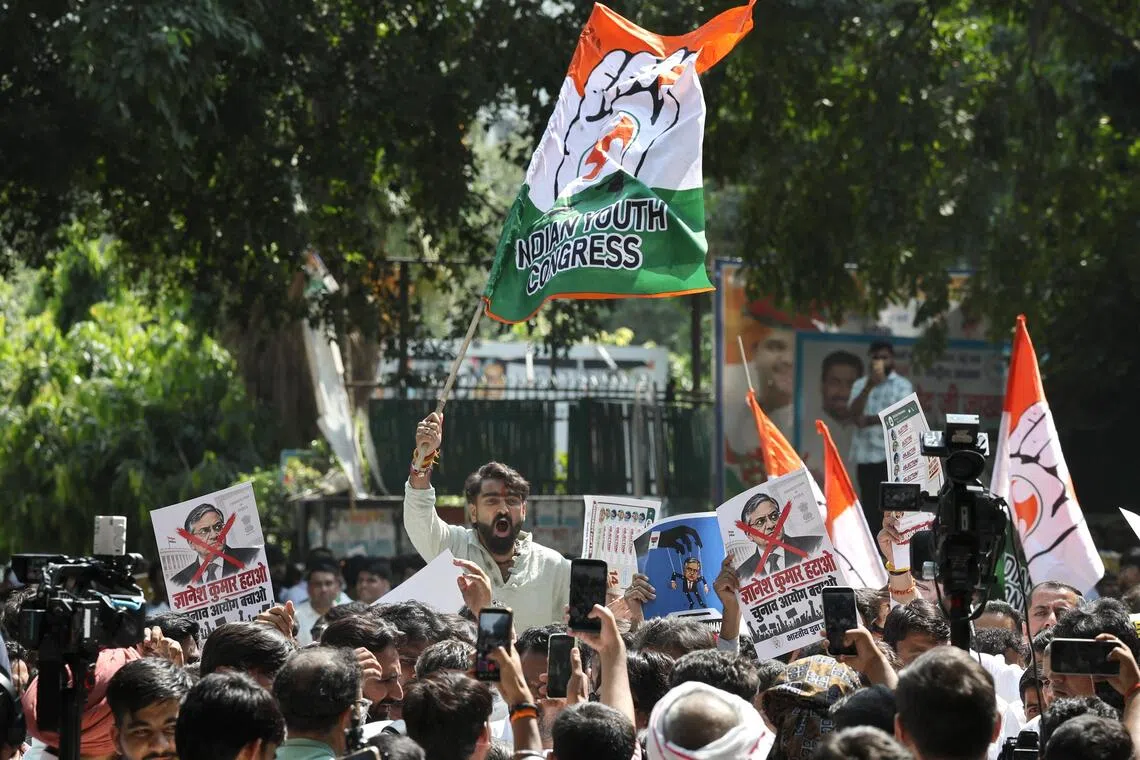
The order followed tensions over protests linked to electoral roll revisions and earlier demonstrations over examination irregularities. Critics of the voter-list changes fear that eligible citizens could lose their voting rights. Authorities have faced growing pressure over the handling of public demonstrations.
On October 13, members of the youth-led Cockroach Janta Party tried to enter the restricted site. Police detained several protesters, according to media reports.
The decision has renewed debate over public order and the right to peaceful assembly. While officials have designated alternative venues, activists question whether these locations can offer the same access and visibility.
For the latest updates, visit and follow The Truth International website (www.thetruthinternational.com) and subscribe to the YouTube Channel.

