
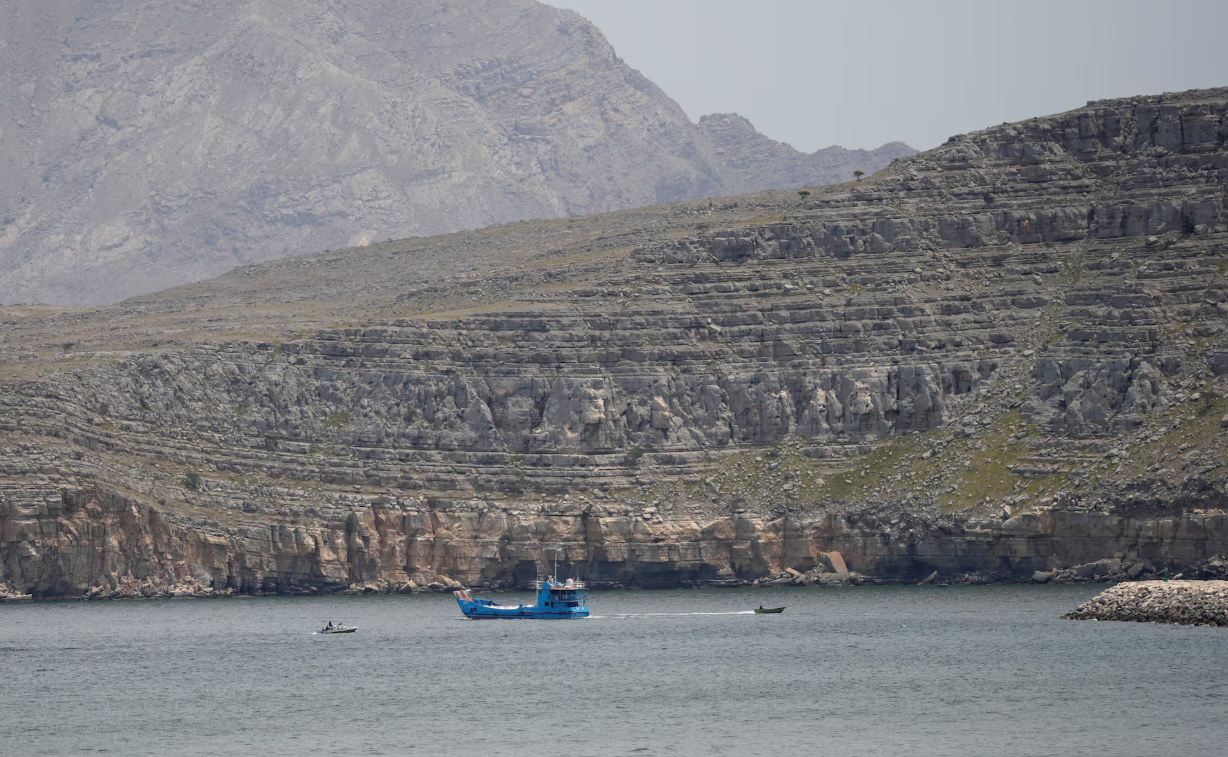

Italy has indicated readiness to deploy naval assets for an international maritime security mission in the Strait of Hormuz. The initiative focuses on protecting critical shipping routes.
The Italian navy plans to contribute up to four vessels. These include two minesweepers designed for clearing naval threats. Additionally, escort and logistics vessels may support operations.
Moreover, the deployment forms part of a broader multinational coordination effort. European leaders recently discussed this initiative in Paris. They explored joint measures to secure maritime traffic.
Multinational Efforts to Secure a Strategic Waterway
The Strait of Hormuz remains one of the world’s most sensitive maritime corridors. Nearly one-fifth of global oil and liquefied natural gas passes through it.
However, tensions in the region have raised concerns over shipping safety. The waterway faced disruptions during the US-Israel conflict involving Iran. Consequently, global attention has shifted toward coordinated protection strategies.
More than a dozen countries have expressed willingness to join the proposed mission. These nations aim to ensure safe passage once operational conditions improve.
Meanwhile, diplomatic and military planning continues among participating states. The goal remains clear: safeguard commercial maritime movement in a volatile region.
Italy’s Planned Naval Contribution
The Italian navy has outlined a contingency structure for its participation. According to the navy’s leadership, the plan includes a balanced fleet composition.
“The contingency plan drawn up by the Chief of the Defence Staff envisages a group consisting of two minesweepers, an escort vessel and a logistics vessel,” Navy Chief of Staff Giuseppe Berutti Bergotto told state broadcaster RAI late on Wednesday.
Furthermore, this structure highlights a defensive and support-oriented approach. Minesweepers will focus on neutralizing underwater threats. Escort vessels will provide protection for naval formations. Logistics vessels will support operational sustainability.
Strategic Importance of the Strait
The Strait of Hormuz connects key energy-producing regions with global markets. Therefore, any disruption affects international trade and energy stability.
In addition, shipping companies rely heavily on uninterrupted passage through the strait. Insurance costs and logistical risks rise sharply during instability.
Consequently, international naval cooperation has gained urgency. Countries aim to prevent escalation and ensure steady maritime flows.
European Coordination and Future Outlook
European leaders met in Paris to evaluate a coordinated maritime response. They discussed frameworks for joint naval operations in the region.
Moreover, participating nations continue to align their strategic objectives. The initiative seeks to balance deterrence with freedom of navigation.
However, final deployment depends on regional conditions and diplomatic progress. Nations involved remain cautious about escalation risks.
Therefore, planning continues alongside diplomatic engagement efforts. The focus remains on stability, security, and protected trade routes.
Conclusion
Italy’s readiness to deploy naval vessels marks a significant step in the emerging Strait of Hormuz security mission. The initiative reflects growing international concern over maritime safety in a critical global trade corridor.
Meanwhile, multinational coordination efforts continue to develop. The situation remains fluid, with security and diplomacy shaping future decisions.

