

JERUSALEM: Israeli Prime Minister Benjamin Netanyahu has stepped up efforts to block a potential US sale of F-35 fighter jets to Türkiye, arguing that the advanced aircraft could alter the Middle East’s military balance as Ankara seeks to expand its regional influence.
In recent interviews with American media, Netanyahu warned that Türkiye is emerging as a significant regional power following the weakening of Iran’s military capabilities and its network of allied groups. He argued that Israel must preserve its qualitative military edge and expressed concern that supplying fifth-generation fighter jets to Ankara would undermine that advantage.
Netanyahu described Türkiye under President Recep Tayyip Erdogan as an increasingly assertive regional actor, claiming Ankara’s strategic ambitions extend beyond its current influence in Syria. He also voiced concern over Türkiye’s expanding domestic defence industry and its growing geopolitical role across the Middle East.
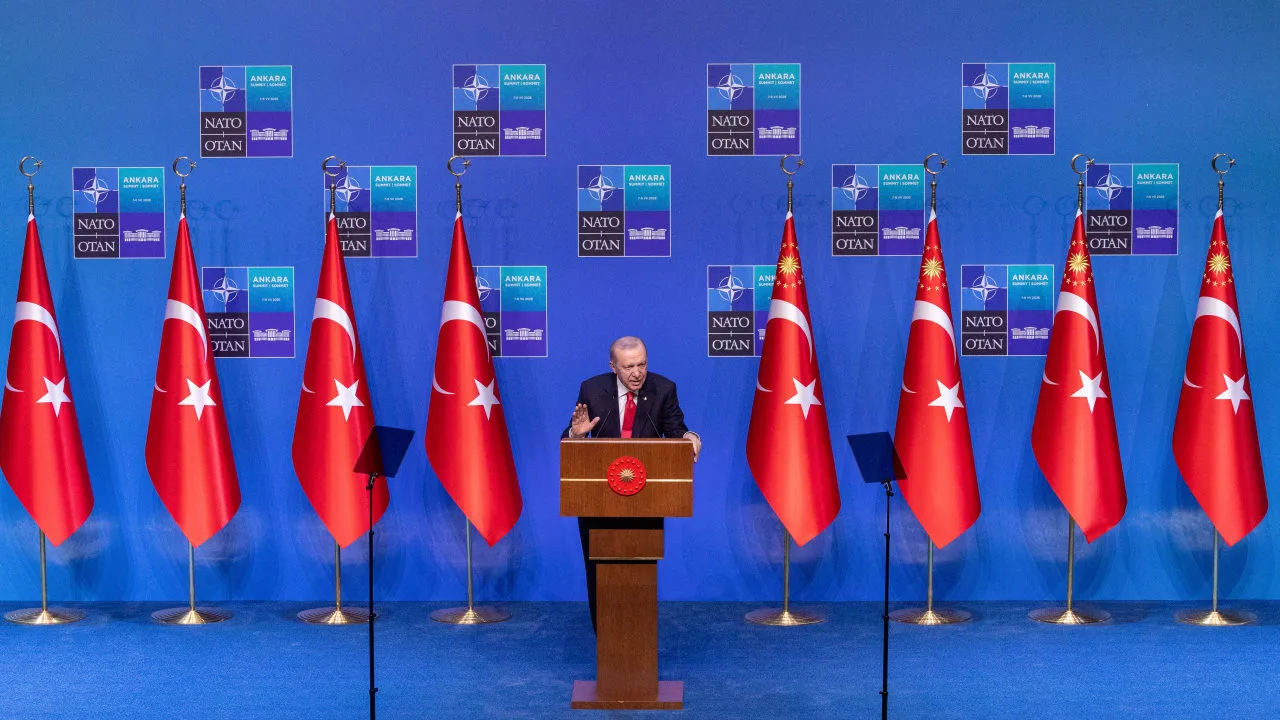
Meanwhile, US President Donald Trump struck a markedly different tone during the NATO summit, praising Erdogan as an “extraordinary leader.” However, Trump later clarified that no final decision had been made regarding the possible F-35 sale, suggesting discussions remain ongoing.
Regional concerns shape debate
Israeli officials believe the issue extends beyond bilateral relations with Türkiye and reflects broader concerns about the future regional balance of power. Israeli analysts argue that as Iran’s influence declines, Ankara could seek to fill the resulting strategic vacuum.
At the same time, Netanyahu has sought to build wider international opposition by highlighting Türkiye’s disputes with Greece and Cyprus and drawing attention to longstanding regional tensions.
Washington lobbying expected to intensify
Analysts expect lobbying efforts in Washington to increase as Congress reviews any future defence agreements involving Türkiye. Existing US legislation linked to Ankara’s acquisition of the Russian S-400 air defence system continues to complicate any potential return to the F-35 programme.
Although no formal decision has been announced, the debate has already become a major issue in US-Israel relations. Israeli officials view preserving their country’s military superiority as a core national security objective and are expected to continue pressing Washington against approving any advanced fighter aircraft transfer to Türkiye.

