

Urgent Warning Issued to Border Communities
The Israel Defense Forces has issued a fresh evacuation order for civilians in southern Lebanon. Residents of at least 11 towns and villages have been told to leave immediately. The directive urges people to move at least 1,000 metres away from their homes and seek safer open areas.
The warning comes amid renewed military activity near the border region. Authorities stated that the situation poses a direct risk to civilians. People living close to operational zones have been advised not to delay evacuation.
This move highlights the fragile security environment in southern Lebanon. The region has witnessed repeated tensions in recent months. Civilian safety has become a growing concern as military actions expand.
Israel Targets Hezbollah Positions After Ceasefire Strain
The Israeli military said the operations are aimed at Hezbollah. Officials claim the group violated an existing ceasefire arrangement. In response, Israel has launched strikes targeting suspected positions and infrastructure.
Military officials warned that anyone near Hezbollah fighters or facilities could face danger. This includes residential areas believed to be used for strategic purposes. The warning suggests that operations may intensify in the coming days.
The ceasefire between both sides has remained unstable. Occasional clashes and accusations have weakened trust. Each side continues to blame the other for violations.
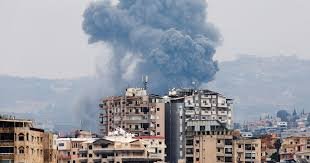
Airstrikes and ground activities have increased across southern Lebanon. Reports indicate that several areas have already been affected. The escalation raises fears of a broader conflict.
Ongoing Military Presence Raises Regional Tensions
Israeli forces are currently maintaining a presence in parts of southern Lebanon. Troops are occupying a strip of land along the border. This has further complicated the security situation.
The continued military presence is seen as a strategic move. However, it has also drawn criticism and concern from observers. Many fear that prolonged deployment could trigger wider instability.
Civilians remain the most vulnerable in this situation. Displacement is rising as more families leave their homes. Access to basic services may also become difficult in affected areas.
The international community is closely monitoring developments. Calls for restraint and de-escalation have increased. However, there is little indication of immediate resolution.
The latest evacuation order signals a serious phase in the ongoing tensions. It underscores the risks faced by civilians in conflict zones. The coming days will be critical in determining whether the situation stabilizes or worsens further.

