
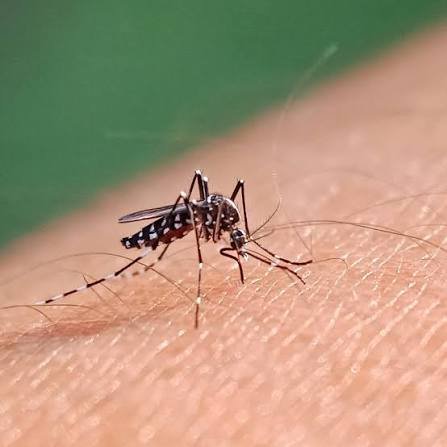

Health authorities in Islamabad have increased dengue surveillance after the capital reported 42 cases this year. Officials are focusing on high-risk areas to prevent further infections.
According to the District Health Office, Islamabad recorded 42 dengue cases between January 1 and October 16, 2026.
Of these, 32 cases emerged from rural areas, while urban areas reported 10 infections.
Health Teams Intensify Dengue Prevention Campaign
Health officials have launched extensive operations to identify mosquito breeding sites across the capital.
During October, anti-dengue teams carried out 382,452 surveillance and control activities.
These operations included inspections of homes, public spaces, and high-risk locations.
Teams also conducted awareness campaigns to educate residents about dengue prevention.
Furthermore, health workers identified and removed mosquito larvae from 7,669 locations.
Officials believe these efforts will help reduce the risk of dengue transmission.
Over 72,000 Homes Inspected Across Islamabad
As part of the campaign, health teams visited 10,084 high-risk locations.
They also inspected 72,305 houses to identify and remove potential mosquito breeding sites.
The District Health Office stressed the importance of regular inspections and early action.
Officials urged residents to cooperate with health workers during inspections.
They also advised families to remove standing water from rooftops, gardens, and open containers.
Dengue spreads through infected mosquito bites. Common symptoms include fever, headache, muscle pain, and body aches.
Health experts recommend seeking medical advice when symptoms appear.
Meanwhile, authorities continue monitoring high-risk areas to control the spread of dengue.
Officials say public cooperation remains essential for protecting communities and preventing further infections across Islamabad.

