
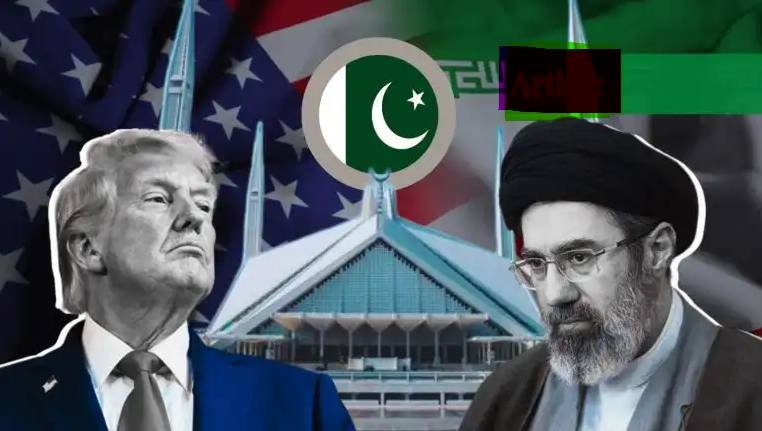

Talks Expected to Focus on Nuclear Deal and Sanctions Relief
Islamabad is emerging as the leading venue for the next round of technical negotiations between the United States and Iran.
Diplomatic sources said the talks are expected to take place on July 11. However, the final venue has not yet been formally announced.
According to officials familiar with the process, two locations are under consideration. These include Islamabad and the Burgenstock resort in Switzerland. Sources said Islamabad is currently the more likely option.
The talks are part of continuing diplomatic efforts to keep negotiations between Washington and Tehran alive. The process is aimed at resolving major disputes over Iran’s nuclear programme, sanctions relief, frozen Iranian assets, and regional security.
The July 11 meeting is expected to move forward the framework created under the Islamabad Memorandum of Understanding. The agreement was signed two weeks ago and gave both sides 60 days to negotiate a broader settlement.
Diplomatic sources said the technical teams will discuss nuclear restrictions, sanctions easing, and the release of Iranian assets frozen abroad. They are also expected to review regional security matters, including the Strait of Hormuz and the ceasefire in Lebanon.
Qatar and Pakistan Continue Mediation Efforts
The latest round of talks was delayed because of state funeral ceremonies for Iran’s late Supreme Leader Ayatollah Ali Khamenei.
Iranian officials are expected to announce the composition of Tehran’s delegation after the ceremonies end.
The expected Islamabad meeting follows indirect technical discussions held in Doha earlier this week. US President Donald Trump described those talks as very good. Iranian officials said both sides had reached an understanding on the partial release of billions of dollars in frozen Iranian assets.
However, US officials reportedly disputed that any such agreement had been finalised.
Diplomatic sources said mediators from Qatar and Pakistan remained active during the pause. They continued facilitating indirect contacts between the two sides.
The discussions focused on keeping the diplomatic track open. They also focused on protecting freedom of navigation through the Strait of Hormuz and preserving the 60-day Lebanon ceasefire.
The most recent high-level negotiations were held at Switzerland’s Burgenstock resort. Those talks were mediated by Qatar and Pakistan.
Officials said the negotiations produced a roadmap for a wider agreement. The roadmap covers Iran’s nuclear programme, sanctions relief, maritime security, and regional de-escalation.
Sources said the next high-level direct talks are likely to be held in Doha during the third week of July. That meeting is expected after technical teams complete work on possible agreement details.
Washington and Tehran Trade Sharp Statements
Despite diplomatic efforts, tensions between Washington and Tehran remain high.
During public remarks in the United States, President Trump claimed Iran was eager to reach a settlement. He also said Washington had paused negotiations because of the funeral ceremonies in Iran.
Iran responded strongly.
Iran’s foreign ministry said Tehran would continue seeking justice against the United States and Israel. It also said the presence of high-level delegations at Khamenei’s funeral reflected his stature and the strength of the Iranian people.
Iranian military officials also issued strong statements. The commander of the Islamic Revolution Guards Corps Navy warned that retaliation against the United States and Israel was not far off.
Iran’s Deputy Foreign Minister Kazem Gharibabadi also warned against military activity by extra-regional powers in the Strait of Hormuz.
He said the Strait of Hormuz should not become a platform for military display by outside forces. He added that Iran views itself as responsible for the security of the waterway.
The Strait of Hormuz remains a key global shipping route. Any tension in the area can affect energy markets, trade routes, and regional stability.
Iranian parliament speaker Mohammad Bagher Ghalibaf also rejected recent remarks by President Trump about Iran’s food situation. He said the United States should recognise that regional realities have changed.
Ghalibaf said sanctions relief could create space for expanded trade relations. He also pointed to joint regional management of the Persian Gulf and the Strait of Hormuz as a possible route toward better transit cooperation.
The upcoming technical talks are now being seen as a critical test for the diplomatic process. If Islamabad is confirmed as the venue, Pakistan’s role as a regional mediator will become even more prominent.

