
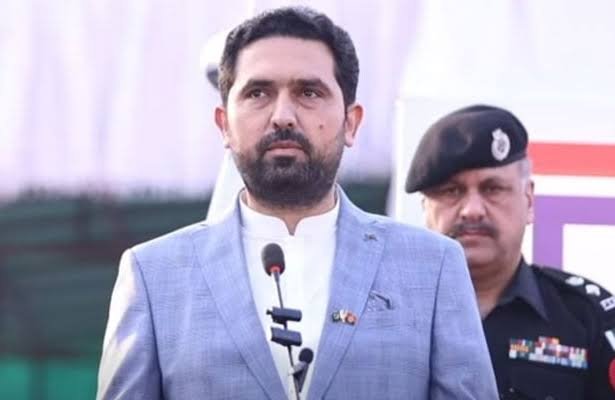

An Anti-Terrorism Court in Islamabad has issued non-bailable arrest warrants for Khyber Pakhtunkhwa Chief Minister Sohail Afridi and several Pakistan Tehreek-e-Insaf-backed lawmakers in cases linked to the November 26 protests.
The warrants were issued on Thursday in connection with cases registered under terrorism and other charges.
The court directed police to arrest the accused lawmakers and produce them before the court.
The development marks another legal challenge for PTI leaders facing cases related to the party’s November 26, 2024 protest in Islamabad.
KP CM, Ministers and Lawmakers Named in Ramna Police Case
One of the cases was registered at Ramna Police Station.
Those named include KP Chief Minister Sohail Afridi, provincial Information Minister Shafi Jan, MNA Shahid Ahmed Khattak and MPA Meena Khan Afridi.
The Anti-Terrorism Court ordered the Station House Officer of Ramna Police Station to arrest all four accused and present them before the court.
The case relates to their alleged involvement in violent incidents during PTI’s November 26 protest.
Authorities have registered terrorism and other charges against the accused in connection with the demonstrations.
The allegations remain subject to judicial proceedings, and the accused have not been convicted in the case.
November 26 Protest Was Held for Imran Khan’s Release
PTI launched the November 26, 2024 protest as part of its campaign demanding the release of party founder and former prime minister Imran Khan.
Thousands of party workers and supporters travelled towards Islamabad during the protest.
The demonstrations led to confrontations between protesters and law enforcement personnel in parts of the federal capital.
A number of cases were later registered against PTI leaders, lawmakers and workers over alleged violence and other offences during the protests.
Imran Khan has remained in prison since August 2023.
The former prime minister has faced multiple legal cases since his government was removed through a parliamentary no-confidence vote in April 2022.
These cases have included allegations involving corruption, terrorism and other offences.
PTI has repeatedly maintained that cases against its leadership are politically motivated, while authorities have said legal proceedings are being carried out under the law.
Warrants Issued for Eight PTI-Backed Lawmakers in Separate Case
In another case linked to the same November 26 protests, Anti-Terrorism Court Judge Tahir Abbas Sipra issued non-bailable arrest warrants for eight PTI-backed lawmakers.
The case was registered at Margalla Police Station.
The lawmakers facing warrants include MNAs Shahid Khattak, Maulana Nasim Ali Shah, Aamir Dogar, Atif Khan and Iqbal Afridi.
MPAs Meena Khan Afridi, Dr Amjad and Shafi Jan were also named.
The court ordered police to arrest the accused and produce them before the court.
Several of the lawmakers are therefore facing legal proceedings in more than one case linked to the November 26 demonstrations.
Court Had Already Refused Exemption Requests
The latest development came one day after the Anti-Terrorism Court maintained arrest warrants against Sohail Afridi and other PTI figures in another November 26 protest case.
The court had also upheld warrants for Junaid Akbar, Abdul Ghani Afridi and several others.
Their requests seeking exemption from personal appearance were rejected.
The court reportedly took the decision after the accused repeatedly failed to appear during proceedings.
Judge Tahir Abbas Sipra directed police to submit the challan against the accused as soon as possible.
The case was then adjourned until September 30.
The court also rejected exemption applications submitted on behalf of those who remained absent.
Proceedings against the chief minister and other accused were allowed to continue.
Legal Pressure Mounts Over Islamabad Protest Cases
The latest warrants increase legal pressure on several senior PTI leaders and lawmakers.
Multiple cases linked to the November 26 protests remain pending before courts in Islamabad.
The cases include allegations of violence, disruption of public order and offences registered under anti-terrorism laws.
Police have now been directed to execute the non-bailable warrants and bring the accused before the court.
Further proceedings will depend on arrests, court appearances and the submission of investigation reports by police.
The cases remain under judicial consideration, and the allegations against the accused have yet to be finally determined by the courts.

