
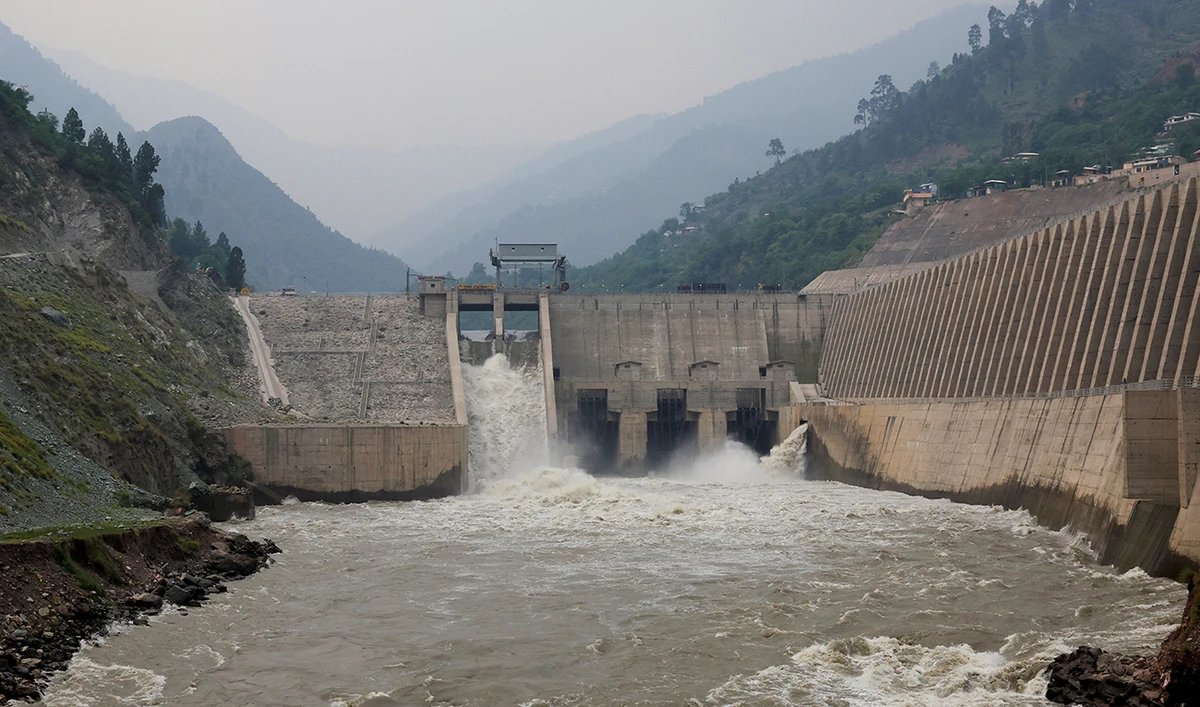

Pakistan has warned the United Nations that India’s unilateral actions concerning the Indus Waters Treaty could threaten regional peace and stability.
Speaking at a United Nations Security Council meeting in New York, Pakistan’s First Secretary Ansar Shah said using shared water resources as political pressure could create conditions for conflict.
He stressed that more than 240 million Pakistanis depend on these waters for their livelihoods and survival.
Pakistan Calls India’s Treaty Move a Violation of International Law
Responding to remarks by India’s representative, Shah rejected New Delhi’s decision to place the Indus Waters Treaty in abeyance.
He argued that the 1960 agreement contains no provision allowing either country to suspend it unilaterally.
Shah described India’s position as an attempt to decide independently when the treaty applies and which conditions govern its implementation.
He maintained that such actions violate international law and undermine the principles of peaceful cooperation.
Pakistan also referred to an August 31, 2026 ruling by the Permanent Court of Arbitration. The ruling affirmed that the treaty remained in force and continued to bind both countries.
Pakistan Raises Water Security Concerns at UN
Earlier, Pakistan’s Deputy Permanent Representative, Ambassador Usman Jadoon, addressed the UN meeting on natural resources and conflict prevention.
He warned that shared resources should promote development and cooperation rather than become tools of political pressure.
Jadoon highlighted the importance of international cooperation, responsible resource management and peaceful dispute settlement.
He also urged countries to address underlying political disputes and strengthen mechanisms against the illegal exploitation of natural resources.
India Defends Its Position
India’s Permanent Representative to the UN, Ambassador Harish Parvathaneni, defended international mechanisms for managing resource-related disputes.
He cited the Kimberley Process, which helps prevent the trade in conflict diamonds while protecting legitimate commerce.
Pakistan subsequently exercised its right of reply and rejected India’s remarks concerning its domestic affairs.
The diplomatic exchange highlights continuing tensions over the Indus Waters Treaty. The agreement governs the sharing of the Indus river system between the two neighbouring countries.
Pakistan has called on India to honour its treaty obligations and resolve disagreements through international law and peaceful dialogue.
For the latest updates, visit and follow The Truth International website (www.thetruthinternational.com) and subscribe to the YouTube Channel.

