
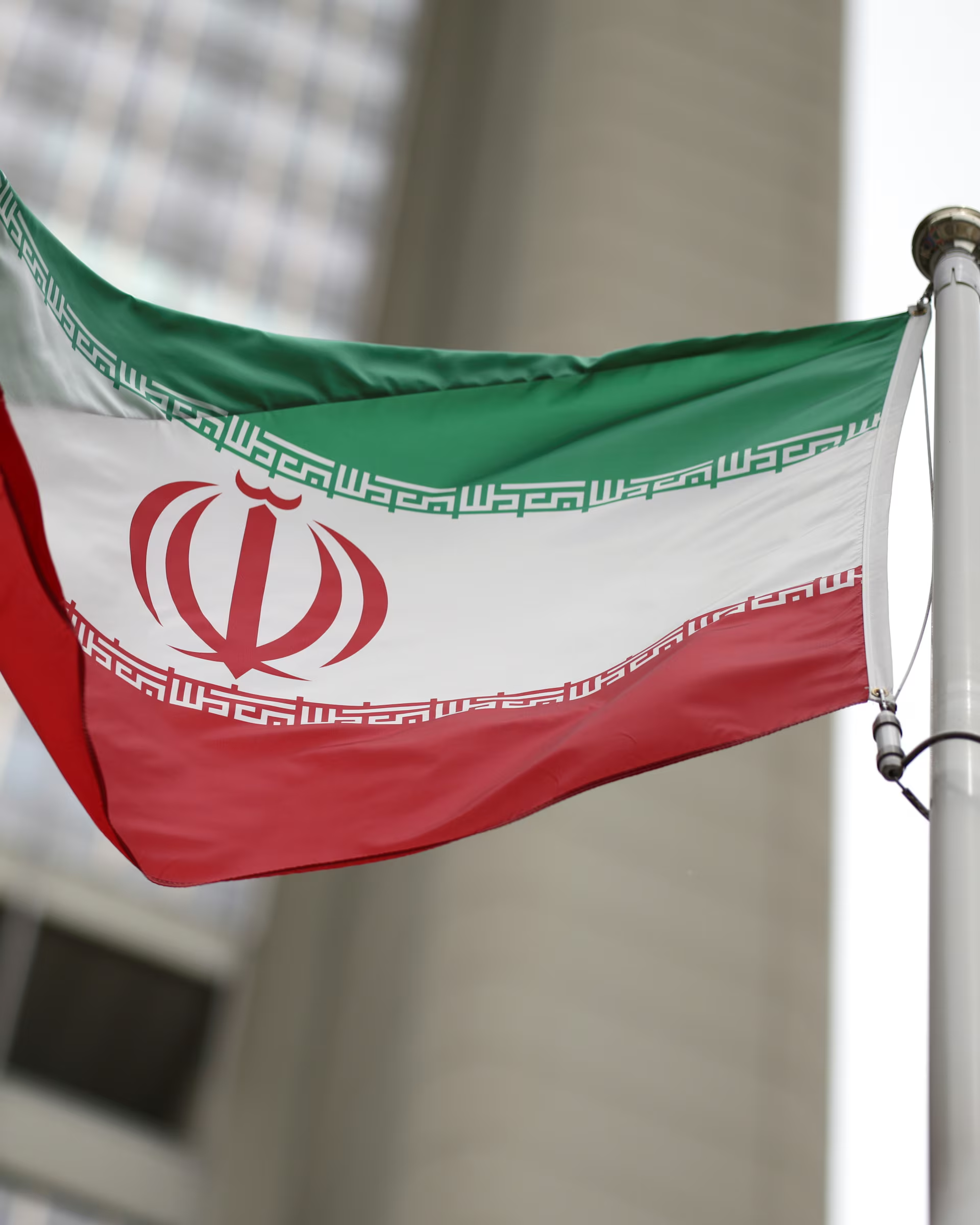

Iran has pushed back against concerns over food shortages following a US naval blockade. Officials insist that essential supplies remain stable despite ongoing tensions.
The blockade has raised global attention. However, Iranian authorities maintain that domestic systems continue to function effectively.
Minister Claims Food Supply Remains Stable
Gholamreza Nouri addressed the situation by highlighting the country’s resilience. He emphasized that internal production plays a key role in maintaining stability.
“Despite the US naval blockade, we have no problem in supplying basic goods and food because, due to the size of the country, it is possible to import from different borders,” he said.
According to the minister, alternative routes help offset any disruption caused by restricted sea access. Therefore, supply chains remain active.
Strong Domestic Production Supports Food Security
Iran relies heavily on its domestic agricultural sector. Officials estimate that around 85 percent of essential food items are produced locally.
“About 85 percent of agricultural products and basic goods are produced domestically, so the country’s food security is established,” the minister added.
This level of self-sufficiency reduces dependence on imports. As a result, the blockade’s impact appears limited, at least in the short term.
Blockade Sparks Political Tensions
The United States imposed the naval blockade on April 13. This move came shortly after a ceasefire paused the conflict between the two countries.
Iran has strongly criticized the action. Officials argue that it violates the terms of the ceasefire agreement.
Therefore, the blockade has not only economic implications but also political consequences. Tensions between the two sides remain high.
Alternative Trade Routes Help Mitigate Impact
Iran’s geographic position allows access to multiple land borders. These routes enable continued imports of essential goods.
As a result, authorities believe they can maintain steady supplies. This flexibility strengthens the country’s ability to manage external pressure.
However, long-term sustainability may depend on how the situation evolves. Continued restrictions could test these alternative systems.

