

Analysts question whether Iraq can balance ties with Washington and Tehran
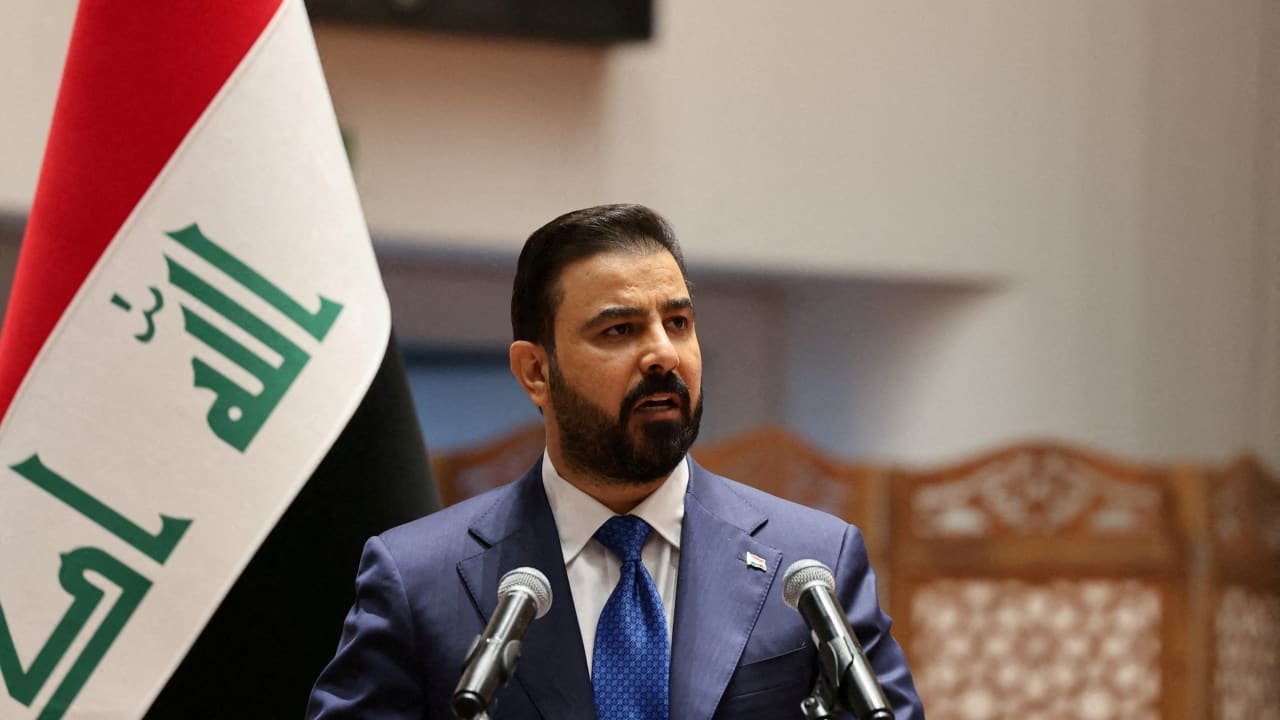
BAGHDAD: Iraqi Prime Minister Ali al-Zaidi has returned to Baghdad after a high-profile visit to the United States, where he met President Donald Trump, members of Congress, business leaders and senior officials to promote stronger bilateral relations and present his vision for Iraq’s future.
However, shortly after his return, al-Zaidi met Iran’s ambassador to Iraq, prompting renewed debate among regional observers over Baghdad’s ability to balance its relationships with both Washington and Tehran.
Political analysts note that Iraq has long maintained diplomatic ties with both countries while facing internal challenges linked to the influence of armed groups aligned with Iran.
Focus remains on armed groups
Several Iran-backed factions operate under the umbrella of the Popular Mobilization Forces (PMF), also known as Hashd al-Shaabi. Many of these groups were formed or expanded during the campaign against the militant group ISIS after 2014 and later became part of Iraq’s official security framework.
Some of the factions maintain longstanding ties with Iran’s Islamic Revolutionary Guard Corps (IRGC), while others have been designated as terrorist organisations by the United States. Iraqi authorities have repeatedly pledged to bring all weapons under state control, although officials have provided few details on how that objective will be implemented.
Recent media reports have also highlighted allegations of weapons smuggling involving armed groups. Those claims have not been independently verified.
Future policy under scrutiny
Observers say al-Zaidi’s diplomatic engagements with both Washington and Tehran underscore Iraq’s continued effort to navigate complex regional dynamics while protecting its national interests.
Supporters argue that maintaining dialogue with both sides reflects Iraq’s strategic position and need for balanced diplomacy. Critics, meanwhile, question whether meaningful reforms can succeed while influential armed groups continue to operate.
The Iraqi government has not indicated that its engagement with Iran signals any change in foreign policy. Instead, officials continue to emphasise sovereignty, regional stability and cooperation with international partners.
Analysts say the coming weeks could provide a clearer indication of whether the prime minister’s reform agenda translates into concrete policy decisions or whether Iraq will continue pursuing a cautious balancing approach between competing regional and international powers.

