
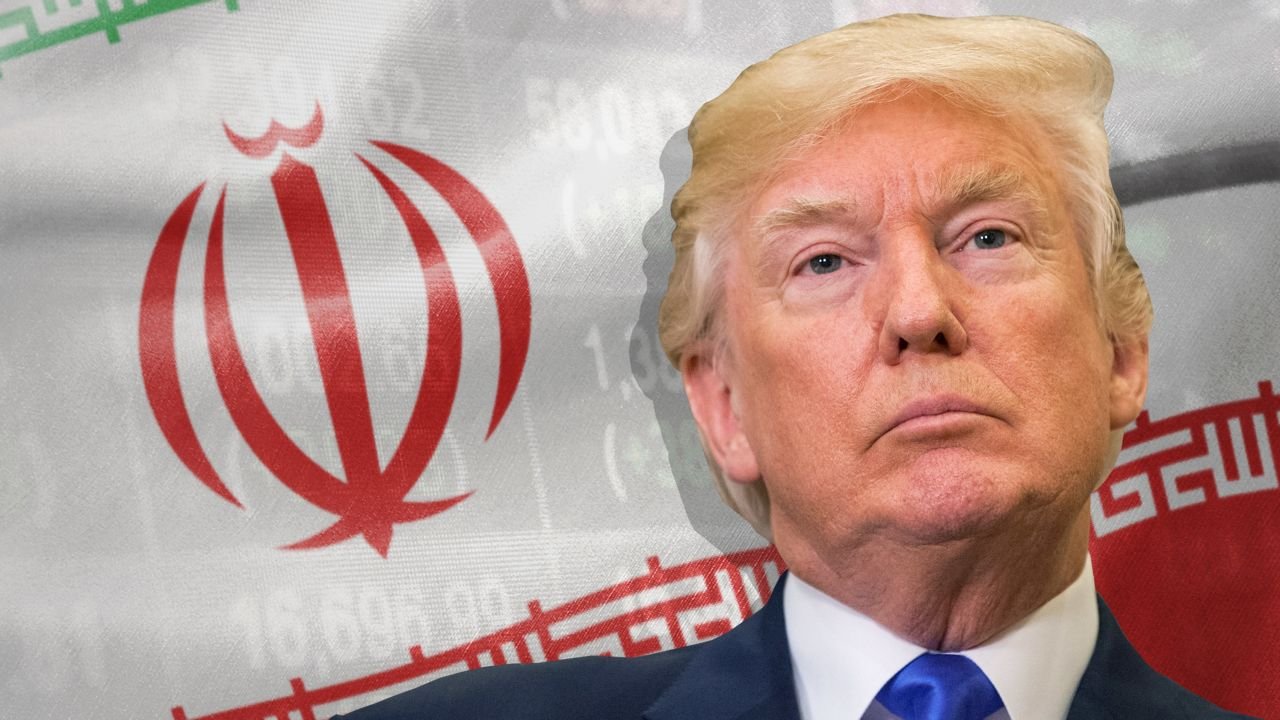

Rising Prices Deepen Political Fight in Washington
The Iran war has intensified political pressure in Washington as rising inflation and energy costs continue to affect American households.
Democrats are blaming President Donald Trump’s Iran policy and trade agenda for worsening economic conditions. They argue that the conflict has pushed up energy prices and added pressure to the cost of living.
The latest figures showed inflation at 4.2 percent in May. Wage growth stood at 3.4 percent during the same period. The gap has raised concerns that many Americans are losing purchasing power despite earning more on paper.
Senate Democratic leader Chuck Schumer criticised the administration’s economic and foreign policy approach. He linked the rise in prices to Trump’s Iran war, tariffs and Republican control of Congress.
Economist Heather Long of Navy Federal Credit Union also warned that inflation was outpacing wage growth. She said high prices were erasing wage gains and squeezing families financially.
Democrats Blame War and Energy Costs
Senator Jeanne Shaheen accused Trump of breaking major campaign promises. She said he had pledged to avoid new wars, reduce energy costs and control inflation.
Instead, she said, the war with Iran had pushed gas prices higher and placed the burden on American families.
In the House of Representatives, Democratic leader Hakeem Jeffries called the conflict a reckless war of choice. He urged the Republican-controlled Senate to advance a war powers resolution to end the conflict.
The political debate is now closely tied to household expenses. Fuel, transport and food costs are becoming central issues as the war continues.
Analysts say the main link between the conflict and inflation is energy. When oil markets fear supply disruption, fuel prices can rise quickly. Those increases can then spread into transport, goods and services.
Matthew Kroenig of the Atlantic Council said the energy market is global. He warned that disruptions anywhere can create price spikes in the United States.
Global Fallout Reaches Beyond America
Former US intelligence official Beth Sanner warned that widening instability involving Iran, Israel, Gaza, Lebanon and Syria could make diplomacy harder.
She said long-term uncertainty in the Middle East may continue to affect security and markets.
The economic impact is not limited to the United States. Import-dependent countries are also exposed to higher energy prices.
Economists say countries such as Pakistan could face pressure if oil prices remain high. Rising fuel costs can increase transport expenses, food inflation and pressure on external accounts.
For Washington, the debate is now moving beyond foreign policy. It is becoming a domestic economic issue.
Democrats are using inflation data to challenge Trump’s handling of the war and the economy. Republicans, meanwhile, are expected to defend the administration’s approach as necessary for national security.
As the conflict continues, American households may remain exposed to higher costs. The longer energy markets stay unstable, the more difficult it becomes to separate the war abroad from inflation at home.

