

London: The ongoing US-Israeli war on Iran and the closure of the Strait of Hormuz have caused the largest oil supply disruption ever recorded in daily output terms, according to the International Energy Agency (IEA). The agency stated that the crisis, combined with lingering effects of the 2022 European gas shortage, marks the most severe global energy disruption to date.
Scale of disruption surpasses past crises
The IEA reported that peak supply losses from the current conflict exceed 12 million barrels per day, representing about 11.5 percent of global demand. In comparison, earlier crises caused significantly smaller disruptions, including 4.5 million barrels per day during the 1973 Arab oil embargo and 5.6 million during the 1979 Iranian Revolution. Similarly, the 1991 Gulf War led to losses of around 4.3 million barrels per day.
Moreover, the present conflict has affected not only crude oil but also natural gas, refined fuels, and fertilisers. Analysts noted that this broader impact reflects modern global energy dependence and interconnected supply chains. The shutdown of nearly one-fifth of liquefied natural gas production in Qatar has further intensified supply concerns.
Wider impact on fuel and long-term outlook
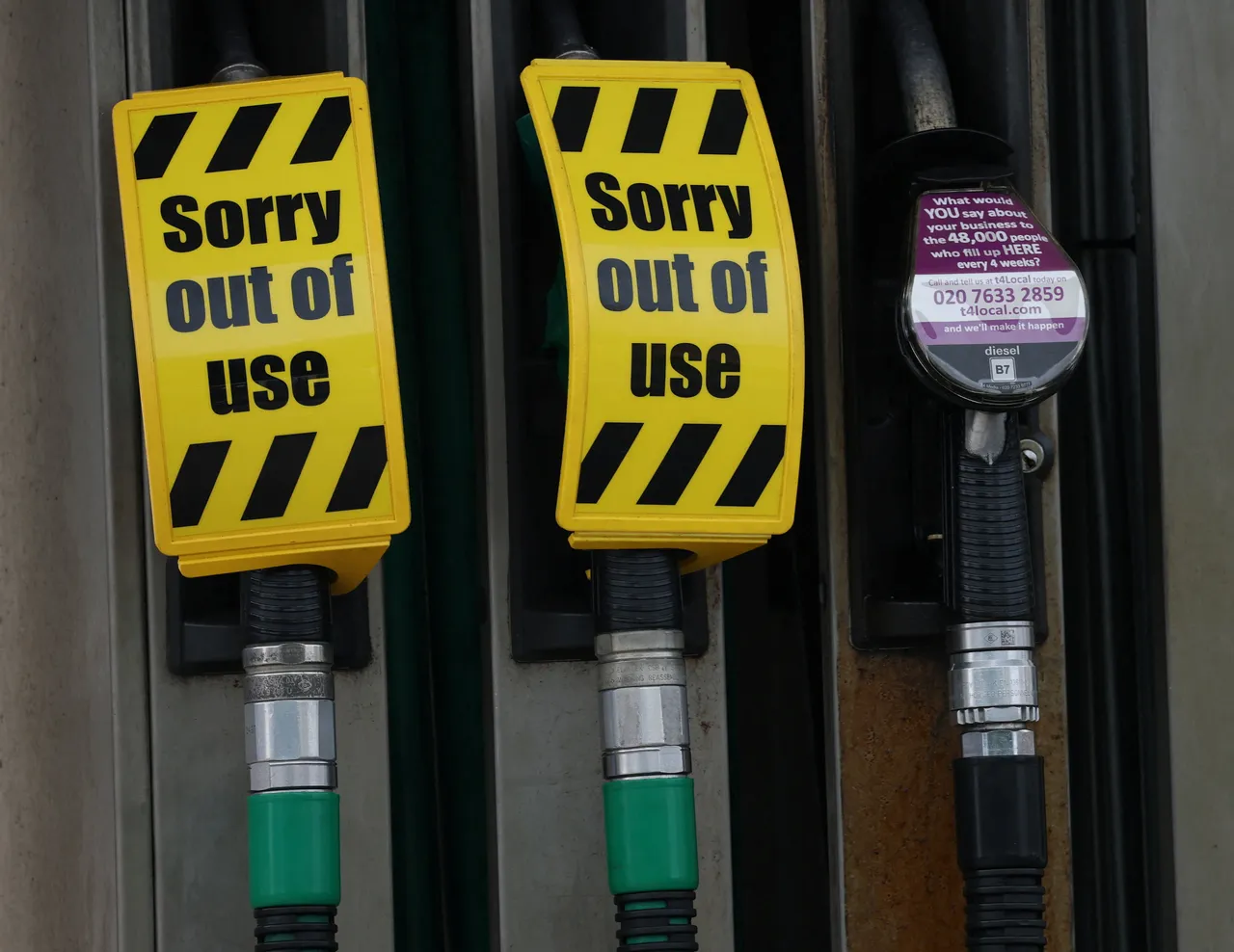
Meanwhile, refinery disruptions across the Gulf have reduced exports of key fuels such as jet fuel and diesel, triggering shortages in global markets. These refineries, built over recent decades, play a critical role in maintaining fuel supply worldwide.
According to estimates, the conflict has already removed around 624 million barrels from the market over 52 days. Even if hostilities ease soon, experts expect supply disruptions to persist for months, while gas shortages could last years. Consequently, the crisis highlights vulnerabilities in global energy systems as demand continues to rise.

