
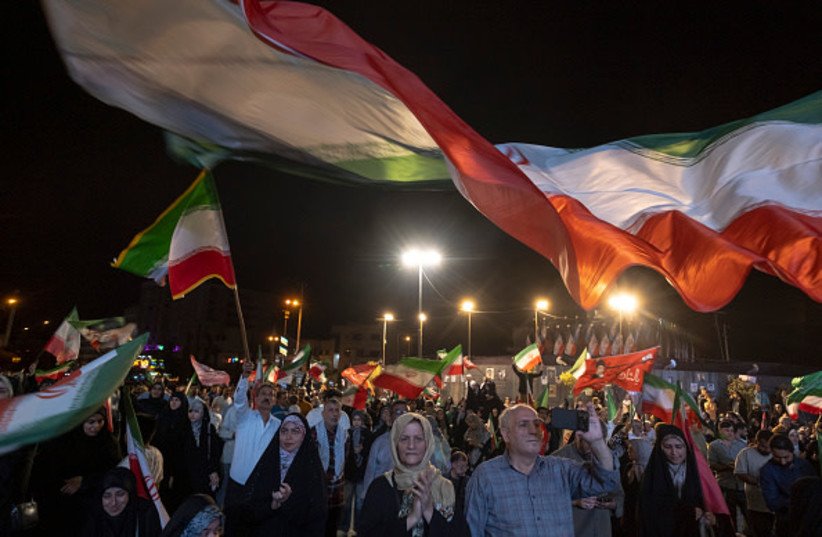

TEHRAN: Iran has launched a monitoring and intelligence system known as Elaaj while expanding its Janfada volunteer mobilisation campaign, according to Iranian media reports and sources cited by The Jerusalem Post.
Fars News Agency said Elaaj, meaning “cure,” aims to protect Iranian national security against what authorities describe as anti-patriotic and separatist movements and individuals supporting sanctions or military attacks.
The report said government supporters could submit information about Iranian dissidents living abroad. Those targeted could potentially face measures including citizenship revocation and restrictions on financial or media access, although details about implementation remain unclear.
Janfada Volunteers Reportedly Receive Training Invitations
Meanwhile, some people registered with the Janfada, or “self-sacrifice,” campaign reportedly received text messages inviting them to military and relief training courses.
Screenshots circulated online, although the number of recipients remains unclear. Iran International also reported that authorities installed a billboard promoting the programme on Tehran’s Damavand Street.
Furthermore, Janfada claimed preparations were underway to train and organise 1,000 “national resistance” battalions.
Experts See Wider Mobilisation and Overseas Monitoring Drive
Security expert Roger Macmillan described Elaaj as a mechanism that could facilitate surveillance of Iranian dissidents abroad, while characterising Janfada as an internal mobilisation initiative.
He said the training campaign could offer weapons instruction, map reading and first-aid skills while expanding participation beyond traditional government supporters.
Separately, an Iraqi intelligence source told the Post that Iran-backed groups in Iraq and Lebanon could potentially receive similar training invitations.
However, the scale of the programmes and their implementation outside Iran remain uncertain. Experts cited in the report nevertheless viewed the initiatives as part of Tehran’s effort to strengthen domestic mobilisation and reinforce its security apparatus following months of conflict and internal pressure.

