
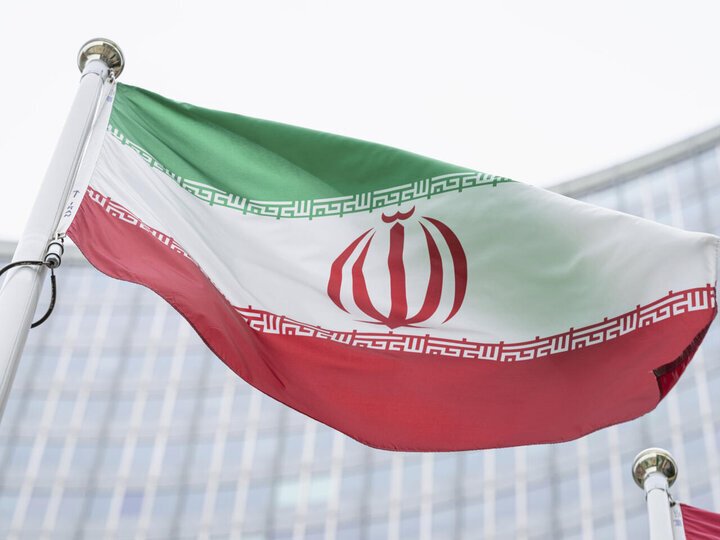

Iran has reportedly suspended the exchange of diplomatic messages with the United States that were being facilitated through Pakistan as a mediator, citing ongoing Israeli military operations in Lebanon as the key reason.
According to reported statements attributed to Iranian sources, Tehran has taken the position that developments in Lebanon directly affect any ceasefire-related arrangements currently under discussion.
Moreover, Iranian negotiators have indicated that discussions will remain on hold until Israeli military activity in Lebanon is halted and Israeli forces withdraw from what Tehran describes as occupied Lebanese territory.
Lebanon Central to Iran’s Stance in Negotiations
Iran has stated that Lebanon was a core precondition in the broader framework of ceasefire discussions, and it now considers that condition to have been violated.
As a result, Tehran argues that continuation of talks is not possible under the current circumstances.
Additionally, Iranian officials have emphasized that Lebanon holds both strategic and ideological importance in its regional policy, making it a non-negotiable element in any diplomatic arrangement.
Therefore, Iran’s position reflects both geopolitical calculations and internal political pressures tied to its regional alliances.
Threats of Escalation in Key Maritime Routes
Alongside the suspension of communication, Iran has also reportedly warned of possible escalation in critical maritime regions.
These include the potential full closure of the Strait of Hormuz, a vital global energy transit route, following a recent period of relatively eased maritime movement.
Furthermore, Iranian statements have suggested the possible activation of the Bab al-Mandab front as a countermeasure targeting Israel and its allied interests.
Consequently, these warnings signal a potential widening of regional tensions that could affect multiple international shipping and energy corridors.
Shift After Reports of Tentative US-Iran Understanding
The latest developments come only days after earlier reports suggested that a tentative understanding had been reached between the United States and Iran.
That proposed framework reportedly included extending a ceasefire for 60 days while initiating broader negotiations on nuclear-related issues.
However, the current suspension of talks indicates a reversal in momentum, shifting expectations from cautious optimism to renewed uncertainty in diplomatic engagement.
Lebanon Conflict as a Key Pressure Point
Analysts suggest that the situation highlights how central Lebanon remains to Iran’s regional strategy.
There is an assumption that external pressure could weaken Iran’s commitment to its regional positions, but recent developments suggest otherwise.
Moreover, internal political dynamics within Iran appear to reinforce the importance of maintaining a firm stance on Lebanon, even at the cost of delaying negotiations.
Accepting diplomatic progress while military operations continue in Lebanon could create domestic political challenges for Tehran, according to the reported assessment.
Broader Regional Implications
The suspension of indirect communication through Pakistan adds further complexity to already fragile regional diplomacy.
It also raises uncertainty around the future of ceasefire efforts and nuclear negotiations that had shown tentative signs of progress.
In addition, warnings involving strategic maritime routes introduce potential economic and security risks that extend beyond the immediate region.
As a result, the situation remains fluid, with multiple stakeholders closely monitoring further developments.
Conclusion
Iran’s decision to suspend US talks mediated through Pakistan underscores the central role of Lebanon in its regional policy calculations.
With additional threats involving key maritime chokepoints and stalled diplomatic communication, the situation reflects rising tensions and uncertain prospects for near-term negotiations.
For now, diplomatic progress remains paused, while regional developments continue to shape the trajectory of future talks.

