

Diplomatic Efforts Intensify to End Regional Conflict
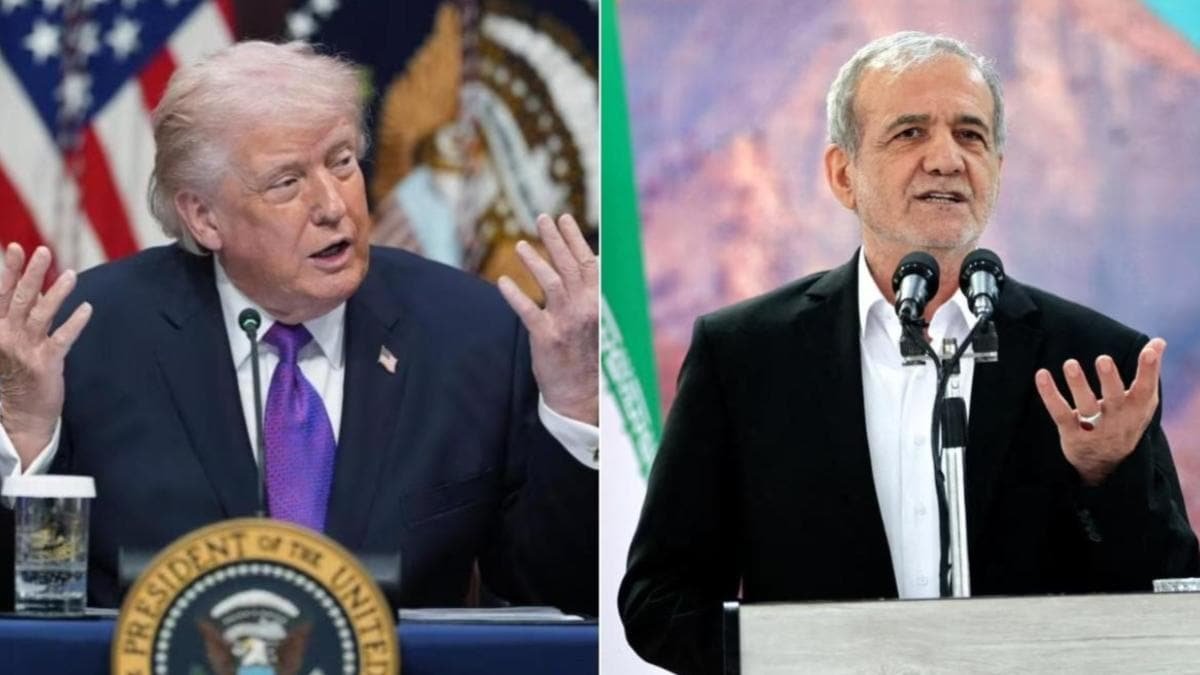
Iran has officially delivered its response to a proposal from the United States aimed at ending the ongoing conflict, according to Iranian state media reports released on Sunday. The response was reportedly sent through Pakistan, which is playing the role of mediator in the sensitive diplomatic process.
The development signals renewed international efforts to reduce tensions and move toward a negotiated settlement after months of instability and military confrontation in the region. Diplomatic observers believe the latest exchange could become an important step toward opening direct or indirect negotiations between both sides.
Iranian state media reported that the response was submitted through official communication channels facilitated by Pakistan. Authorities have not publicly disclosed the exact contents of the message or the detailed terms discussed between the parties.
However, reports indicate that the current phase of negotiations is expected to focus mainly on ending the war and creating conditions for broader diplomatic dialogue in the future.
The announcement has attracted international attention as global powers continue pushing for de-escalation in the region. Analysts say mediation efforts by neutral countries may help reduce mistrust and create space for political engagement.
Pakistan’s reported involvement as an intermediary highlights its growing diplomatic role in regional affairs. Political experts believe Islamabad’s communication channels with both Tehran and Washington may help support dialogue during a highly sensitive period.
Focus Shifts Toward Ceasefire and Negotiated Settlement
According to Iranian media, the proposed framework aims to prioritize ending active hostilities before discussing wider political and strategic issues. Diplomatic sources suggest that achieving a ceasefire remains the immediate objective of the negotiations.
Regional tensions have remained high following months of military activity, political disputes, and international pressure involving several countries. The ongoing conflict has raised concerns about regional stability, economic disruption, and humanitarian consequences.
International observers believe any successful diplomatic breakthrough would require guarantees related to security, military restraint, and political commitments from all sides involved.
Although officials from the United States have not yet publicly commented on Iran’s reported response, analysts expect behind-the-scenes diplomatic discussions to continue in the coming days.
Experts in international relations say indirect negotiations often play a major role in conflict resolution when direct communication becomes politically difficult. Mediation by third-party states can help reduce tensions and create trust between opposing sides.
The latest reports have also increased speculation about possible future diplomatic meetings or additional rounds of communication involving regional and global stakeholders.
Global Attention Remains Focused on Diplomatic Developments
The reported exchange between Iran and the United States comes at a time of growing international concern over security conditions in the Middle East. Governments and international organizations continue urging restraint and peaceful engagement to avoid further escalation.
Political analysts say diplomatic momentum appears to be increasing despite the difficult regional environment. The involvement of mediators and continued communication suggest that both sides may still see value in pursuing negotiations rather than prolonged confrontation.
Global markets and international observers are closely monitoring developments because regional instability can affect energy prices, trade routes, and wider geopolitical relations.
Pakistan’s role in transmitting Iran’s response has also strengthened attention on regional diplomacy and multilateral engagement. Experts believe successful mediation efforts could improve broader diplomatic cooperation in the region.
While no formal agreement has been announced, the latest communication is being viewed as a potentially important diplomatic step. Officials and analysts alike stress that sustained dialogue will be necessary to achieve lasting peace and reduce the risk of further conflict.
The international community now waits to see whether the latest exchange can open the door to meaningful negotiations and a possible path toward stability.

