
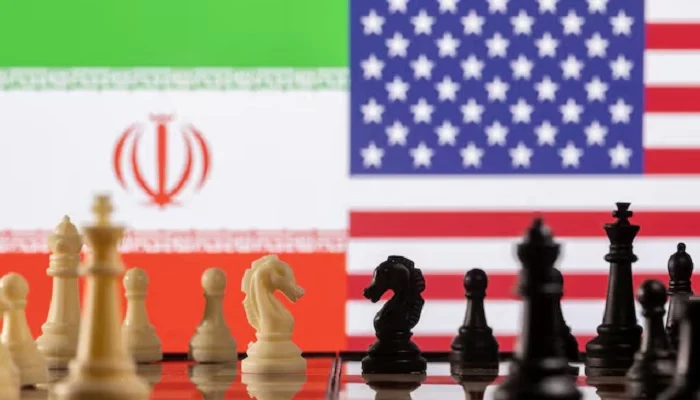

Iran confirmed Sunday that it received a US response to its latest peace proposal and has begun reviewing the document, according to state media. However, neither Washington nor Islamabad immediately confirmed the communication, reportedly delivered through Pakistan.
Meanwhile, Iranian Foreign Ministry spokesperson Esmaeil Baghaei stated that no formal nuclear negotiations are currently underway. Tehran’s proposal calls for delaying nuclear discussions until after a ceasefire and the lifting of maritime blockades in the Gulf. Consequently, this sequencing contrasts with Washington’s insistence on addressing nuclear concerns first.
US President Donald Trump signaled skepticism, saying he would likely reject the proposal. Although he has not reviewed the final text, he argued that Iran had not paid a sufficient price for its past actions. Nevertheless, he added that he would examine the plan before making a final decision.
At the same time, broader tensions continue to shape the diplomatic landscape. The United States and Israel paused strikes on Iran four weeks ago, and both sides held one round of talks. However, efforts to resume negotiations have stalled, increasing uncertainty.
Additionally, Iran’s proposal reportedly includes demands such as lifting sanctions, withdrawing US forces, releasing frozen assets, and establishing a new framework for managing the Strait of Hormuz. Iran has restricted most shipping in the region for over two months, while the US imposed countermeasures targeting Iranian-linked vessels.
In parallel, Israel ordered evacuations in southern Lebanon, citing Hezbollah activity and alleged ceasefire violations. As a result, ongoing clashes risk undermining broader peace efforts. Ultimately, the overlapping conflicts and competing demands continue to hinder progress toward a comprehensive agreement.

