

Iran has firmly rejected President Donald Trump’s claim that the United States is negotiating to end the war, calling the idea “negotiating with yourself.” The statement came from Ebrahim Zolfaqari
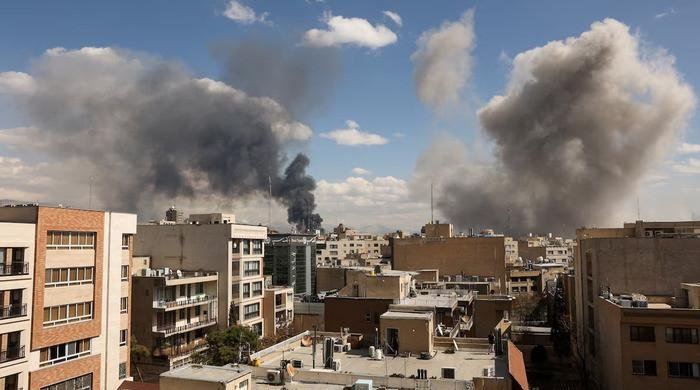
The Israeli Defence Forces reported launching waves of airstrikes across Tehran, targeting infrastructure. Iran’s SNN News Agency stated that strikes also hit residential areas, with rescue teams searching for survivors amid the rubble.
Meanwhile, Iran’s Revolutionary Guards announced attacks on locations in Tel Aviv, Kiryat Shmona, and US bases in Kuwait, Jordan, and Bahrain. Kuwait reported that a drone strike caused a fire at its international airport, though no casualties were reported. Saudi Arabia also repelled drone attacks, though origins remain unclear.
The continued airstrikes have disrupted energy supplies, closing off parts of the Strait of Hormuz. Iran has stated that “non-hostile vessels” may transit the strait with coordination, but energy markets remain volatile.
US Peace Plan and Global Response
The US reportedly sent a 15-point plan to Iran aimed at ending the war. According to reports, the plan includes dismantling Iran’s nuclear program, ceasing support for proxy groups like Hezbollah, and reopening the Strait of Hormuz. Stocks rose and oil prices fell slightly on Wednesday amid hopes for a temporary ceasefire.
President Trump has claimed that Iran wants a deal “very badly” and that the US is negotiating with the “right people.” However, Iranian officials insist no formal talks are underway. Despite these claims, Pakistan’s Prime Minister Shehbaz Sharif offered to host US-Iran talks, aiming to mediate a peaceful resolution.
Military Buildup Fuels Fears of Extended Conflict
Despite peace overtures, the Pentagon is reportedly sending thousands of troops from the elite 82nd Airborne Division to the Middle East. This would add to 50,000 US forces already stationed in the region, highlighting the risk of a prolonged conflict.
The war has already disrupted global energy and financial markets. Analysts warn that without a negotiated solution, the crisis could intensify, affecting oil prices, global trade, and regional stability for months to come.

