

Iran has rejected a US-backed ceasefire proposal as fighting between Washington and Tehran entered its second week. According to a report, Iranian officials dismissed the offer because it failed to address Tehran’s demands regarding control of the Strait of Hormuz.
The development comes as military exchanges continue across the region, raising concerns over regional stability, global energy supplies, and international shipping routes.
Iraqi Prime Minister Delivers US Proposal
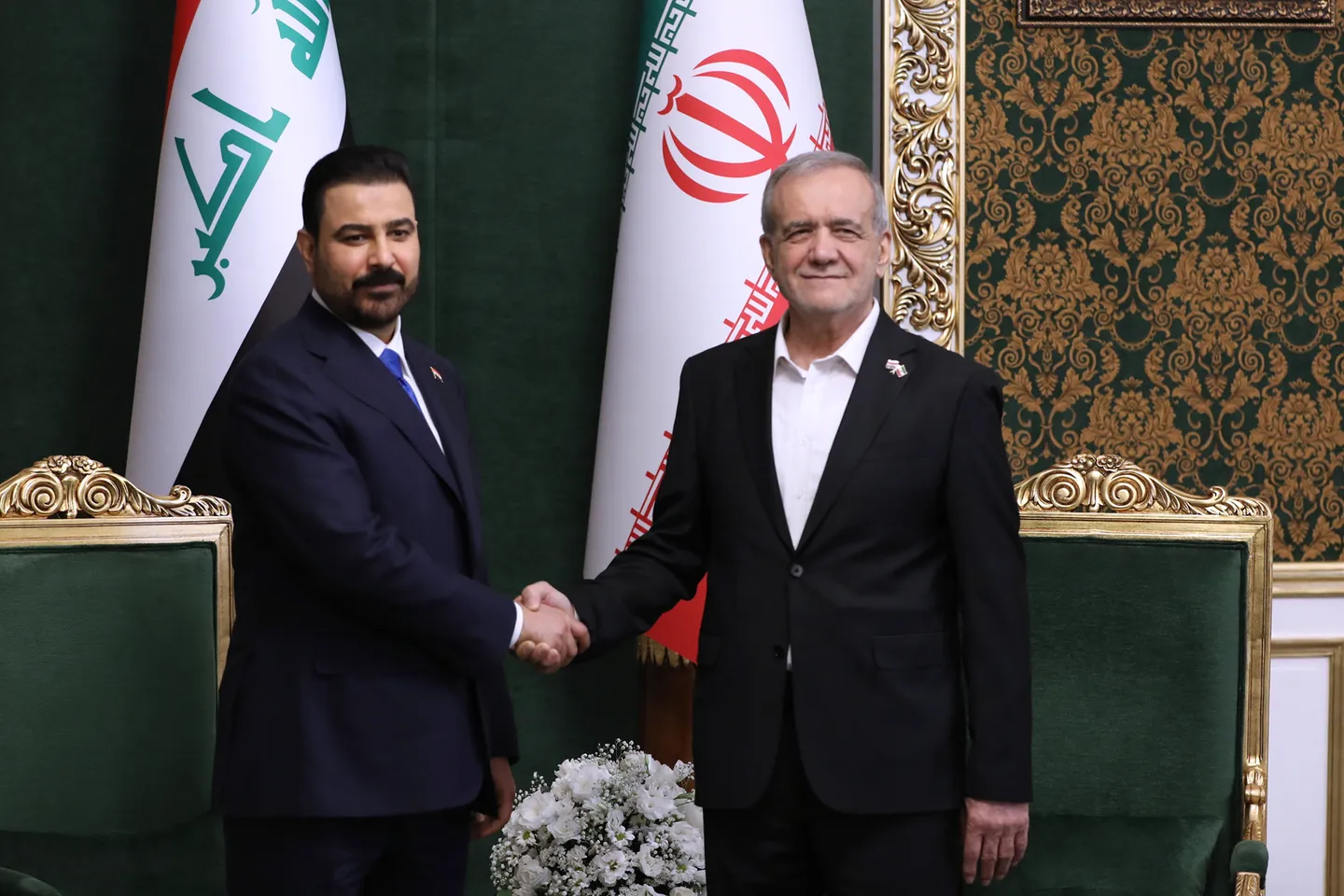
According to The New York Times, Iraqi Prime Minister Ali al-Zaidi carried the ceasefire proposal to Tehran after meeting US President Donald Trump at the White House.
Citing Iranian and Iraqi officials familiar with the discussions, the report said the exact details of the proposal remain unclear. However, Iranian officials described it as the only ceasefire offer currently on the table.
They rejected the proposal because it did not resolve the dispute over control of the Strait of Hormuz.
Al-Zaidi made his first official visit to Iran since taking office in May. During the trip, he led a high-level delegation and met Iranian President Masoud Pezeshkian.
The leaders discussed bilateral relations, regional developments, and efforts to strengthen security and stability.
They also reviewed previously signed agreements and explored greater cooperation in trade, energy, transportation, and regional affairs.
Iranian media reported that al-Zaidi also met Parliament Speaker Mohammad Bagher Ghalibaf, Foreign Minister Abbas Araghchi, and Iran’s chief negotiator.
Iran Prepares for Possible Wider Conflict
The report said Iranian officials are preparing for the possibility of broader military escalation if the United States launches additional attacks.
According to two Iranian officials, any further strikes on Tehran or critical infrastructure would trigger a wider regional response.
The officials said Iran could expand the conflict by targeting Tel Aviv and requesting Yemen’s Houthi group to close the Bab al-Mandab Strait.
US Strikes Continue as Casualties Rise
US Central Command (CENTCOM) announced that American forces carried out strikes against Iranian targets for the 13th consecutive night early Friday.
Iranian authorities said the ongoing attacks have killed 53 people and injured 592 others.
Regional tensions have intensified since President Donald Trump announced on July 8 that the ceasefire outlined in the previous US-Iran memorandum of understanding was no longer in effect.
Since then, both countries have exchanged military strikes. The United States has targeted locations inside Iran, while Tehran says it has attacked US military facilities and equipment across several countries in the region.
Conflict Disrupts Shipping and Energy Markets
The continuing conflict has disrupted shipping through the Strait of Hormuz and increased concerns about global energy supplies.
Several countries have also issued security warnings as tensions spread beyond the Middle East.
Intermittent airspace closures and fears of further attacks on US interests continue to affect regional stability, while international observers remain concerned about the risk of a broader conflict.

