
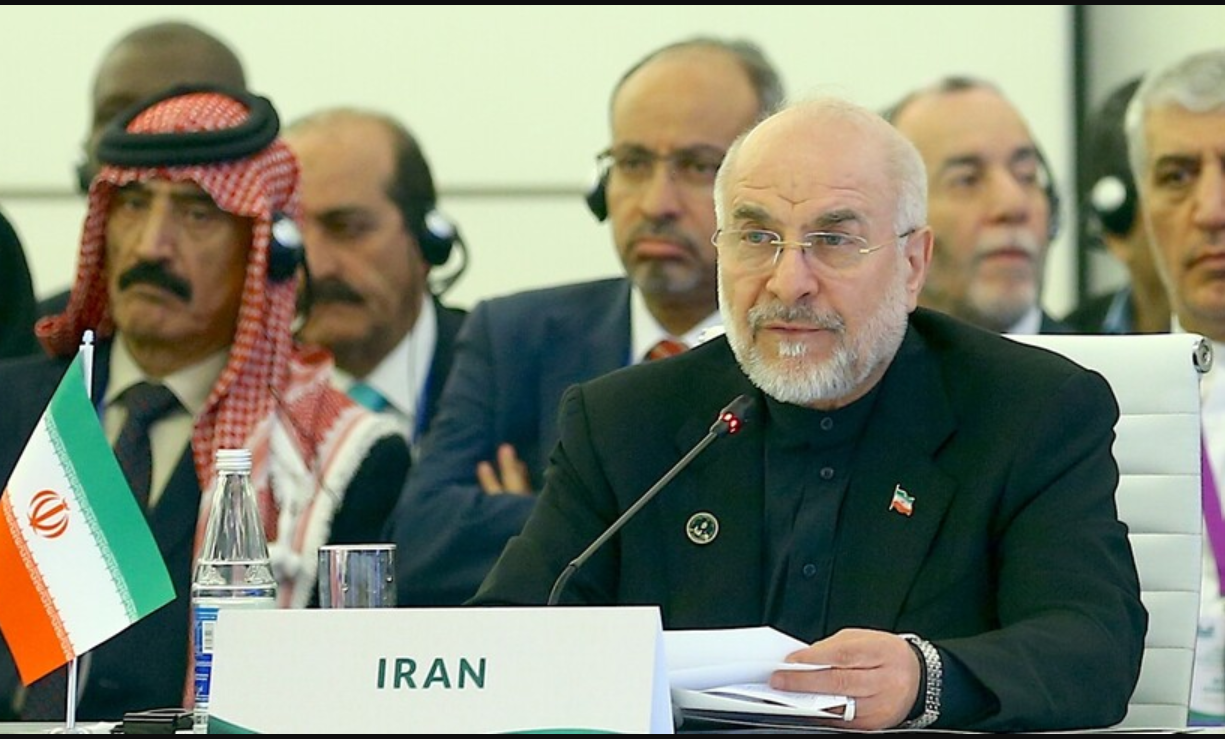

Iranian Parliament Speaker Mohammad Bagher Ghalibaf has urged citizens to reduce petrol consumption as the country struggles to secure enough fuel to meet domestic demand.
Ghalibaf made the appeal in a televised address on Tuesday. He acknowledged that high fuel consumption is not entirely the responsibility of consumers and said Iran’s industrial sector also contributes to the problem.
“However, what is clear is that we need to save gasoline in our consumption,” Ghalibaf said.
His remarks come as Iran faces growing difficulties importing petrol amid a US naval blockade and increasing pressure on its economy.
Petrol Shortages Trigger Long Queues
Iranian authorities have warned that domestic petrol production is currently insufficient to meet the country’s requirements.
Iranian Vice President Mohammad Jafar Ghaempanah said last week that domestic petrol production was not enough and that the US naval blockade had prevented Iran from importing additional fuel.
Long queues of vehicles have recently been reported at petrol stations in Tehran, highlighting the growing pressure on the country’s fuel supply.
Iranian officials had also indicated that petrol quotas could be reviewed as authorities attempt to manage available supplies.
Ghalibaf said conserving fuel would require cooperation from the public.
“If we consume it properly, we can manage with the amount of gasoline we produce in the country,” he said.
US Pressure Adds to Iran’s Fuel Crisis
The fuel shortage has emerged amid escalating tensions between Tehran and Washington.
According to the report, Washington imposed a blockade on Iranian ports after Tehran closed the Strait of Hormuz, a critical route for global oil and gas shipments from the Gulf.
The United States has also introduced additional sanctions aimed at increasing economic pressure on Iran and isolating its economy further.
The combination of restricted imports, limited domestic fuel production and economic pressure has created additional challenges for Iranian authorities.
Government Plans More Food Subsidies
Ghalibaf also addressed the broader economic pressure facing Iranian households.
With inflation continuing to affect living costs and the economic situation worsening amid the war, he announced plans to increase support through the government’s electronic food subsidy programme.
He said the government and parliament were committed to increasing funding for the programme, particularly for lower-income groups facing the greatest financial pressure.
Ghalibaf stressed that reducing the burden on ordinary citizens remained a priority for the government.
He said officials should focus on lowering economic pressure and preventing further public dissatisfaction.
The comments come after economic demonstrations in Iran last December expanded into a broader anti-government protest movement. The protests intensified in January before being suppressed.
Ghalibaf said protecting public wellbeing and maintaining people’s satisfaction were fundamental priorities as the government deals with the country’s economic and fuel challenges.

