

Strategic Waterway Sees Rising Tensions
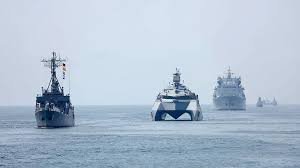
The Iran navy has claimed it stopped foreign warships from entering the Strait of Hormuz. Officials described the move as a swift and decisive response to potential threats.
State television reported that Iranian forces issued direct warnings to what they called enemy vessels. These warnings were delivered in real time. The goal was to prevent any unauthorized naval movement into the sensitive waterway.
The Strait of Hormuz is one of the most critical shipping routes in the world. A large portion of global oil supply passes through this narrow channel. Any disruption in this area can impact international energy markets and trade flows.
Military observers note that tensions in the region have been rising steadily. Naval activity has increased in recent weeks. This has raised concerns about potential confrontation in the Gulf region.
Iranian Forces Signal Zero Tolerance for Intrusion
According to official statements, Iran’s armed forces warned foreign navies not to cross into restricted zones. The message was clear and direct. Any violation would trigger a decisive response.
The navy emphasized its readiness to defend national waters. Officials stated that monitoring systems are active at all times. Rapid response units are also on standby to deal with emerging threats.
Iran considers the Strait of Hormuz a vital security zone. Protecting this passage is a top priority for its military leadership. Authorities believe strict enforcement is necessary to maintain control and stability.
The warning reflects a broader strategy of deterrence. By acting quickly, Iran aims to prevent escalation before it begins. Analysts say such actions are intended to signal strength without direct conflict.
Global Concerns Over Security and Trade Stability
The incident has drawn attention from international observers. The presence of foreign warships in nearby waters continues to be a sensitive issue. Countries with strategic interests in the region are closely monitoring developments.
Security in the Strait of Hormuz is directly linked to global economic stability. Even minor disruptions can influence oil prices and shipping costs. This makes the situation highly significant for global markets.
Experts warn that continued tension could increase risks for commercial vessels. Shipping companies may face higher insurance costs and operational challenges. Governments may also reassess naval deployments in the region.
Despite the warnings, no direct confrontation has been reported so far. However, the situation remains tense. Diplomatic channels may play a key role in preventing further escalation.
Iran’s latest action highlights the fragile balance in the region. Military readiness, strategic signaling, and global interests are all intersecting in this critical zone. The coming days will be crucial in determining whether tensions ease or intensify further.

