
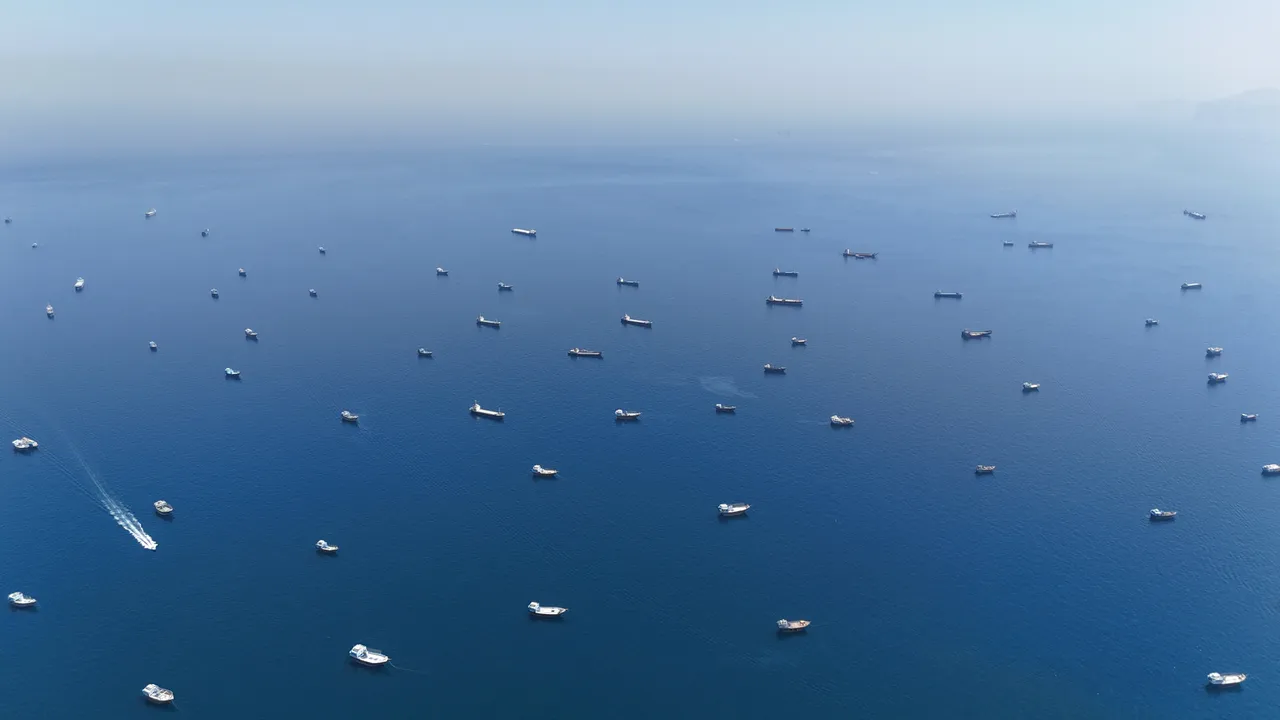

IRGC Issues Warning to Oil Tankers and Commercial Ships
Iran’s Islamic Revolutionary Guard Corps has declared the Strait of Hormuz closed to all vessels after fresh US strikes on Iranian targets, raising fears of a deeper regional crisis.
The IRGC said the closure applied immediately to oil tankers, commercial ships and other vessels. It warned that any ship attempting to pass through the strategic waterway could be targeted.
The Strait of Hormuz is one of the world’s most important maritime routes. It carries a major share of global oil and liquefied natural gas shipments. Any disruption in the area can quickly affect energy markets, shipping costs and international trade.
The announcement came after the United States launched new attacks on targets inside Iran. Iranian officials described the strikes as continued American aggression and said the closure was linked to insecurity in the region.
Tensions Rise After Strikes in Southern Iran
Iranian media reported explosions, heavy air defence activity and airstrikes across parts of southern Iran. Areas mentioned in the reports included Bandar Abbas, Minab, Jask, Qeshm and Sirik.
US Central Command earlier said American forces had carried out additional strikes against multiple military targets inside Iran.
The IRGC also rejected US claims that merchant ships could still pass safely through the Strait of Hormuz. Iranian officials said vessels would need to follow security instructions and avoid unauthorised movement through the waterway.
The strait has already faced months of severe disruption because of the conflict. Financial data cited in reports suggested visible traffic had dropped sharply compared with pre-war levels.
Iran has repeatedly threatened to strike vessels moving through the region without approval from its military authorities. Last month, the IRGC also issued strict new protocols for international merchant ships seeking passage.
Global Energy Markets Face Fresh Shock
The latest announcement has increased pressure on global oil markets. Traders and governments are closely watching whether Iran can enforce a full blockade or whether US forces will try to keep the route open.
A prolonged closure could create major supply concerns for countries dependent on Gulf energy exports. It could also increase insurance costs for shipping companies and force vessels to seek longer and more expensive routes.
The crisis now adds another layer of uncertainty to the wider Middle East conflict. With US strikes continuing and Iran threatening vessels in a vital sea route, the risk of military escalation remains high.
The situation also raises urgent diplomatic questions. Any direct confrontation involving commercial ships could draw more countries into the crisis.
For now, the Strait of Hormuz remains at the centre of global attention. Its security will be critical for energy prices, shipping stability and the future direction of the Gulf conflict.

