
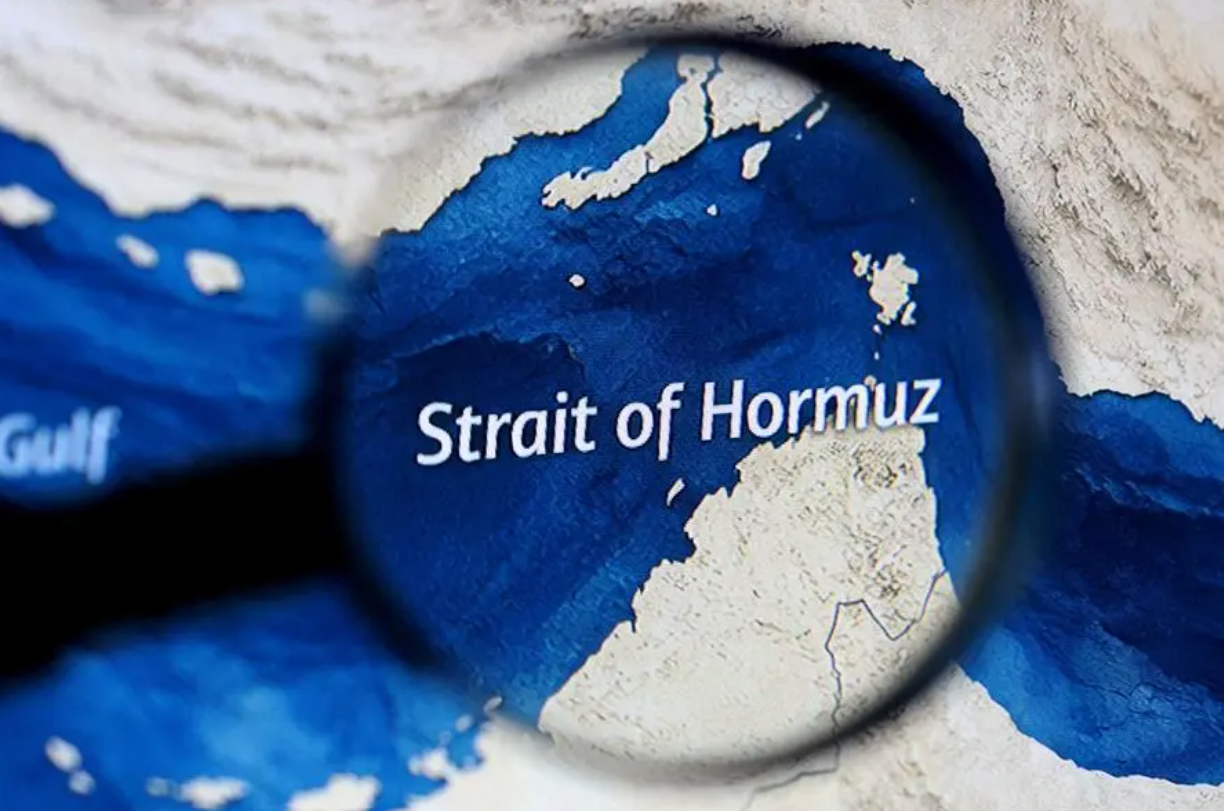

A Qatari liquefied natural gas (LNG) tanker is making its way to Pakistan through the Strait of Hormuz, raising hopes for relief from the country’s ongoing gas shortage.
The vessel, Al Kharaitiyat, has advanced through the strategic waterway and is currently sailing toward Pakistan.
Its journey marks a significant development for regional energy trade and for Pakistan’s strained gas supply situation.
First Successful LNG Transit Attempt in Months
Shipping data indicates that Al Kharaitiyat is the first Qatari LNG tanker to make substantial progress through the Strait of Hormuz since tensions escalated earlier this year.
Several previous vessels reportedly turned back due to security concerns and navigation restrictions. However, this tanker has continued its voyage without any indication of reversing course.
It is traveling along a northern shipping route near Iran’s Qeshm and Larak islands. This progress suggests improving conditions for LNG shipments through one of the world’s most critical energy corridors.
Why This Shipment Matters for Pakistan
Pakistan relies heavily on imported LNG to meet domestic energy demand. A large share of these imports comes from Qatar.
When LNG cargoes were disrupted earlier this year, Pakistan faced increased pressure on its gas supply system. As a result, households and industries experienced growing concerns over energy availability.
If the tanker reaches Pakistan safely, it could provide timely support to the country’s energy sector. Moreover, it may signal the gradual normalization of LNG trade routes.
Strait of Hormuz Remains a Strategic Chokepoint
The Strait of Hormuz is one of the most important maritime routes for global oil and gas trade. Any disruption in this narrow waterway can affect energy markets worldwide.
Therefore, the successful transit of Al Kharaitiyat carries significance beyond Pakistan. It may also reassure regional buyers and energy traders monitoring conditions in the Gulf.
Ceasefire Provides Temporary Stability
The tanker’s movement comes during a ceasefire that has reduced immediate tensions in the region. Although the truce remains fragile, it has created limited space for commercial shipping to resume.
At the same time, occasional incidents between naval forces continue to underscore the sensitivity of the situation. Consequently, market participants remain cautious.
Potential Impact on Regional Energy Trade
If this shipment arrives without interruption, confidence in Gulf energy routes may improve. Other LNG exporters and importers could view the voyage as a positive signal.
Furthermore, a successful delivery may encourage additional cargoes to resume operations through the Strait of Hormuz. For Pakistan, that would strengthen energy security at a critical time.
Conclusion
The Qatari LNG tanker Al Kharaitiyat is heading to Pakistan through the Strait of Hormuz in a development with major energy implications. Its progress offers hope for easing Pakistan’s gas shortage and restoring confidence in regional LNG trade.
If the vessel completes its journey safely, it could mark an important step toward stabilizing energy supplies and maritime operations in the Gulf.

