
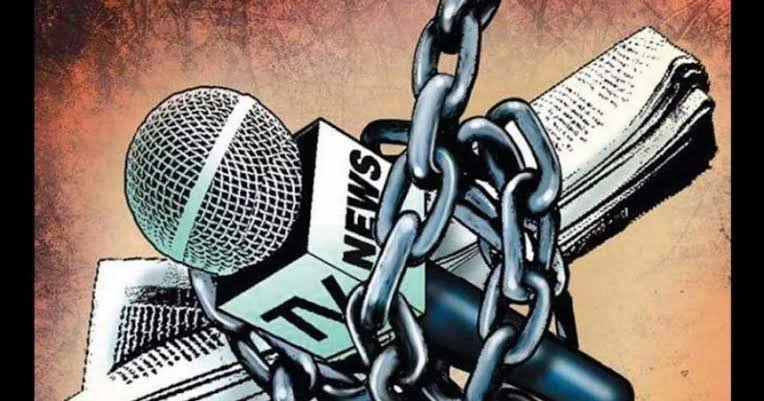

Section 69A Powers Raise Concerns Over Free Speech
Media freedom in India is facing renewed scrutiny as concerns grow over the government’s use of Section 69A to restrict online content.
According to a report by 24NewsHD TV, Indian news outlet The Wire has accused the government of Prime Minister Narendra Modi of expanding formal action under Section 69A against voices critical of official policies.
Section 69A gives the Indian government the power to block public access to certain online information under specified legal conditions.
The Wire has argued that the growing use of these powers poses a serious challenge to freedom of expression and independent journalism.
The outlet said such measures could weaken constitutional protections for free speech.
The issue has triggered wider debate over government control of digital platforms and access to independent reporting.
Journalists Point to Falling Trust in News
Indian journalist Pooja Prasanna has also raised concerns about declining public confidence in the country’s news environment.
Citing figures from the Reuters Institute, she said trust in news in India had fallen to 39 percent.
She also said around 52 percent of people were avoiding news.
The figures have added to concerns about public confidence in journalism and the wider media landscape.
Observers say declining trust can have serious consequences for democratic debate and public access to reliable information.
Independent media organisations have also raised questions about growing pressure on critical reporting.
The Wire reported that press freedom in India has faced continued pressure from government policies and regulatory actions.
Journalists Warn of Growing Restrictions on Independent Media
Ria Mughal, a reporter with CNN South Asia, said media freedom in India had become increasingly restricted.
She said the situation had deteriorated since Narendra Modi came to power.
Critics argue that journalists and independent media organisations face increasing legal, regulatory and political pressure.
Supporters of the government, however, have maintained that restrictions under Section 69A are imposed within the legal framework and are intended to address concerns involving security, public order and unlawful content.
The debate has intensified as digital news platforms become more important sources of information across India.
Media rights advocates say greater transparency is needed over blocking orders and content restrictions.
They argue that any action affecting journalism should be subject to strong legal safeguards and independent oversight.
The latest reports have renewed concerns about the future of free speech, press independence and public access to diverse sources of information in India.

