
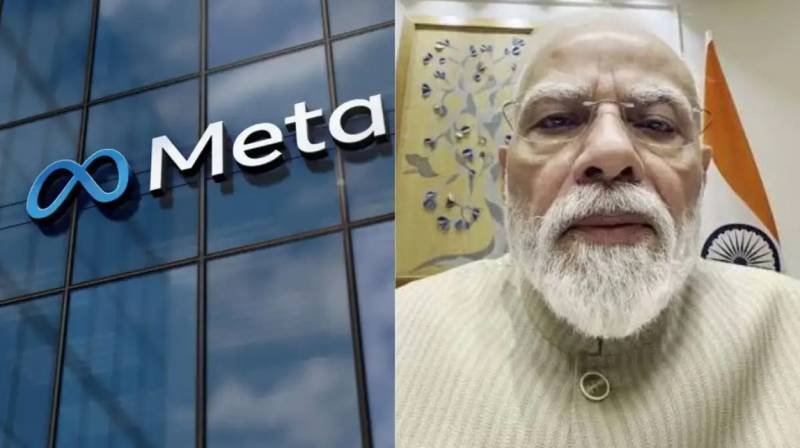

Parliamentary Panel Rejects Meta’s Technical Error Explanation
An Indian parliamentary panel has demanded an apology from Meta chief executive Mark Zuckerberg over the temporary removal of a video posted by Prime Minister Narendra Modi.
The video was briefly removed or restricted on Facebook and Instagram before being restored.
Meta said the incident resulted from a technical or operational error. The company also expressed regret over the removal.
However, members of the parliamentary committee on communications and information technology were not satisfied with Meta’s response.
Committee chairman Nishikant Dubey said Zuckerberg must issue an unconditional apology within three days.
Dubey is a lawmaker from Modi’s ruling Bharatiya Janata Party.
He argued that removing a video posted by India’s prime minister was a serious matter. He also questioned whether Meta was operating only as an online intermediary or making editorial decisions like a publisher.
The parliamentary panel reportedly rejected an earlier apology submitted by Meta representatives. It demanded a personal response from Zuckerberg instead.
Panel Warns Meta Could Lose Safe-Harbour Protection
Dubey warned that Meta’s legal protections in India could be challenged if Zuckerberg failed to apologise.
Safe-harbour protection generally limits the legal responsibility of digital platforms for content posted by their users.
These protections are important for companies operating Facebook, Instagram and other major social media services.
Dubey said the committee had written to India’s interior and technology ministries. It asked the government to consider action against Meta.
He suggested that Meta should lose its intermediary protections if the company failed to respond within the committee’s deadline.
However, a parliamentary standing committee cannot independently cancel Meta’s legal protection, impose a penalty or order criminal prosecution.
Such action would require a decision by the Indian government or courts under existing legislation.
Parliamentary committees can examine government policies, summon officials and question company executives. Their findings can also increase political and regulatory pressure on businesses.
Indian media reported that Meta representatives were summoned to explain the temporary removal.
Senior Meta officials also held discussions with Indian government representatives amid broader concerns about content moderation, artificial intelligence, deepfakes and harmful material on the company’s platforms.
Reports published on August 5 said Zuckerberg had apologised to the Indian government for operational failures and harmful content appearing on Meta platforms.
However, it was not immediately clear whether that communication fully satisfied the parliamentary panel’s specific demand for a personal and unconditional apology over Modi’s video.
Modi Video Addressed Youth Protests and Examination Leaks
Modi posted the vertical video on July 23 during protests led by young Indians over examination irregularities.
The demonstrations were linked to allegations surrounding the NEET-UG 2026 paper leak.
They later developed into a wider youth campaign focusing on employment, education and professional opportunities.
The movement received strong support through social media, where younger audiences shared videos and organised demonstrations.
In his video, Modi directly addressed students and young protesters.
He assured them that the government would introduce stronger measures against examination paper leaks.
The prime minister also spoke about harsher punishments and faster legal proceedings against those involved in examination fraud.
The post represented one of Modi’s attempts to use short vertical videos to communicate directly with younger social media users.
It was temporarily unavailable before Meta restored it.
The company later said the restriction had been applied by mistake.
The controversy has raised fresh questions about how international technology companies moderate political content.
It has also highlighted the growing pressure on digital platforms to explain automated removals and technical failures.
Meta operates Facebook, Instagram and WhatsApp, which are used by hundreds of millions of people in India.
Any attempt to reduce the company’s legal protection could have major consequences for its operations and content moderation policies.
The dispute is expected to continue until the parliamentary panel decides whether Meta’s response is sufficient.

