

Strategic Himalayan Tunnel Reaches Major Construction Milestone
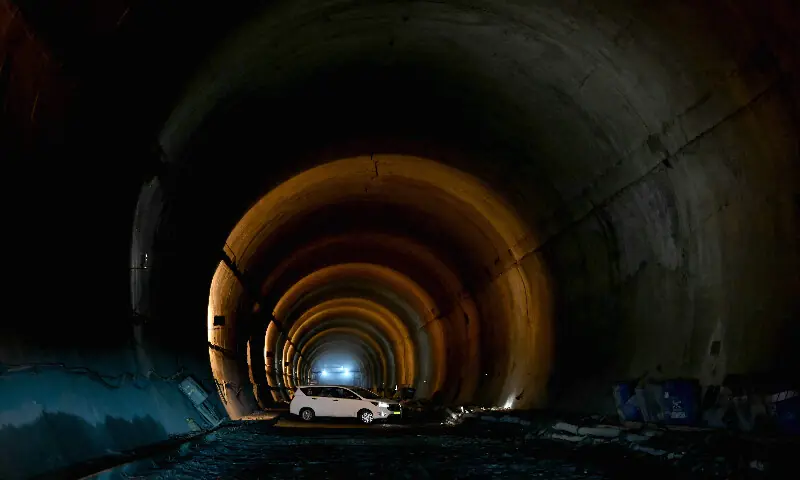
Indian engineers have broken through the final rock section of the strategic Zojila tunnel in the Himalayas, marking a major step toward year-round road access to Ladakh near the China border.
The breakthrough took place on Tuesday at the high-altitude tunnel, which is designed to improve connectivity between Srinagar and Leh. The route is considered vital for trade, civilian movement, tourism and military supply lines.
The 13.14-kilometre Zojila tunnel passes beneath the 3,528-metre Zojila Pass. At present, road travel between Srinagar and Leh is often blocked during winter because of heavy snowfall.
The tunnel is expected to reduce that seasonal disruption and keep the region connected even during harsh weather.
India’s Minister of Road Transport and Highways, Nitin Gadkari, called the project a “lifeline” during the breakthrough ceremony. He said the tunnel would play a major role in improving access to Ladakh.
All-Weather Route to Support Trade and Troop Movement
The Zojila tunnel is part of a wider infrastructure push in the Himalayan region. India is building tunnels, roads and railways to improve access to its high-altitude border zones.
The project is strategically important because Ladakh sits close to the disputed India-China frontier. The two countries share a tense 3,500-kilometre border.
Tensions increased after a deadly border clash in 2020. Relations have improved somewhat since then, but the frontier remains a sensitive military zone.
The tunnel will help move troops, supplies and essential goods more efficiently from the plains to the icy mountain areas.
More than 3,000 workers have been involved in the project since 2020. Project engineer Manmohan Singh said teams worked day and night in difficult weather conditions and completed the breakthrough without any accident.
The tunnel will form part of a larger network of four major tunnels. This includes the 6.5-kilometre Sonamarg tunnel. The broader project is expected to become fully operational by 2028.
Kashmir Dispute Adds Political Weight to Project
The Zojila tunnel is also linked to the wider political and security situation in Kashmir.
The route connects Srinagar, the main city in Indian-occupied Kashmir, with Leh, the key city in Ladakh. Both areas are central to India’s northern security and infrastructure planning.
India has also developed a $3.9-billion railway line connecting the plains with Kashmir. The route includes the Chenab Rail Bridge, known as the highest bridge of its kind in the world.
Prime Minister Narendra Modi opened the railway route in June 2025. The 272-kilometre line begins in Udhampur, which hosts the headquarters of the army’s northern command, and runs through Srinagar.
Kashmir has remained disputed between Pakistan and India since 1947. Both countries claim the Himalayan territory in full.
The latest tunnel breakthrough shows how infrastructure has become part of regional strategy. For India, it is about faster access and stronger control. For the region, it remains tied to security, politics and the unresolved Kashmir dispute.

