
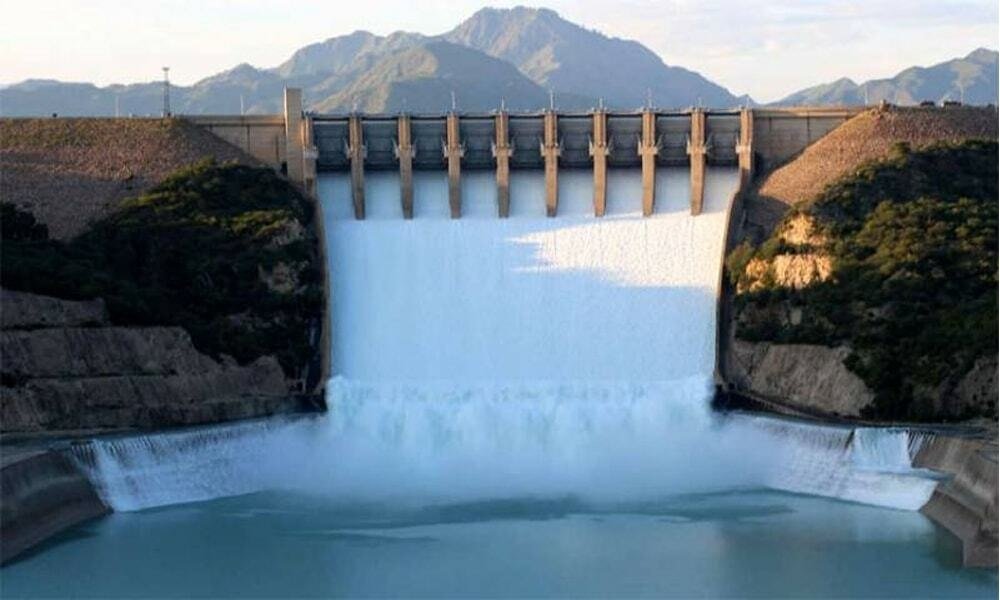

ISLAMABAD: The Power Division announced a significant increase in hydropower generation, which surged to 5,000 megawatts during peak hours since April 17, 2026, providing notable relief to the national power system. Officials attributed the rise to enhanced water releases from dams in accordance with provincial requirements.
According to a spokesperson, the increased water flow enabled hydropower plants to maximize output, particularly during peak night hours. Consequently, the improved supply helped stabilize the grid and meet rising demand. In addition, an extra 400MW of electricity from the southern region further strengthened transmission to central areas.
As a result, authorities reported no load management during peak night hours on April 17, 18, and 19. However, on April 20, most distribution companies limited outages to one hour at night. Meanwhile, Gujranwala Electric Power Company and Sukkur Electric Power Company implemented two hours of load management during peak periods.
Despite the improvement, the Power Division highlighted that LNG-based power plants with a combined capacity of 5,500MW remain non-operational due to fuel shortages. These plants will resume electricity generation once LNG supplies are restored. Nevertheless, around 500MW is currently being produced by the Balloki Power Plant using indigenous gas.
Furthermore, the spokesperson clarified that load shedding linked to electricity theft and system losses will continue across distribution networks. He emphasized that this form of load management is policy-driven and separate from peak-hour outages.
Earlier, Power Minister Sardar Awais Ahmad Khan Leghari defended revenue-based load shedding, warning that its removal could significantly increase circular debt, while National Electric Power Regulatory Authority has declared the practice illegal.

