
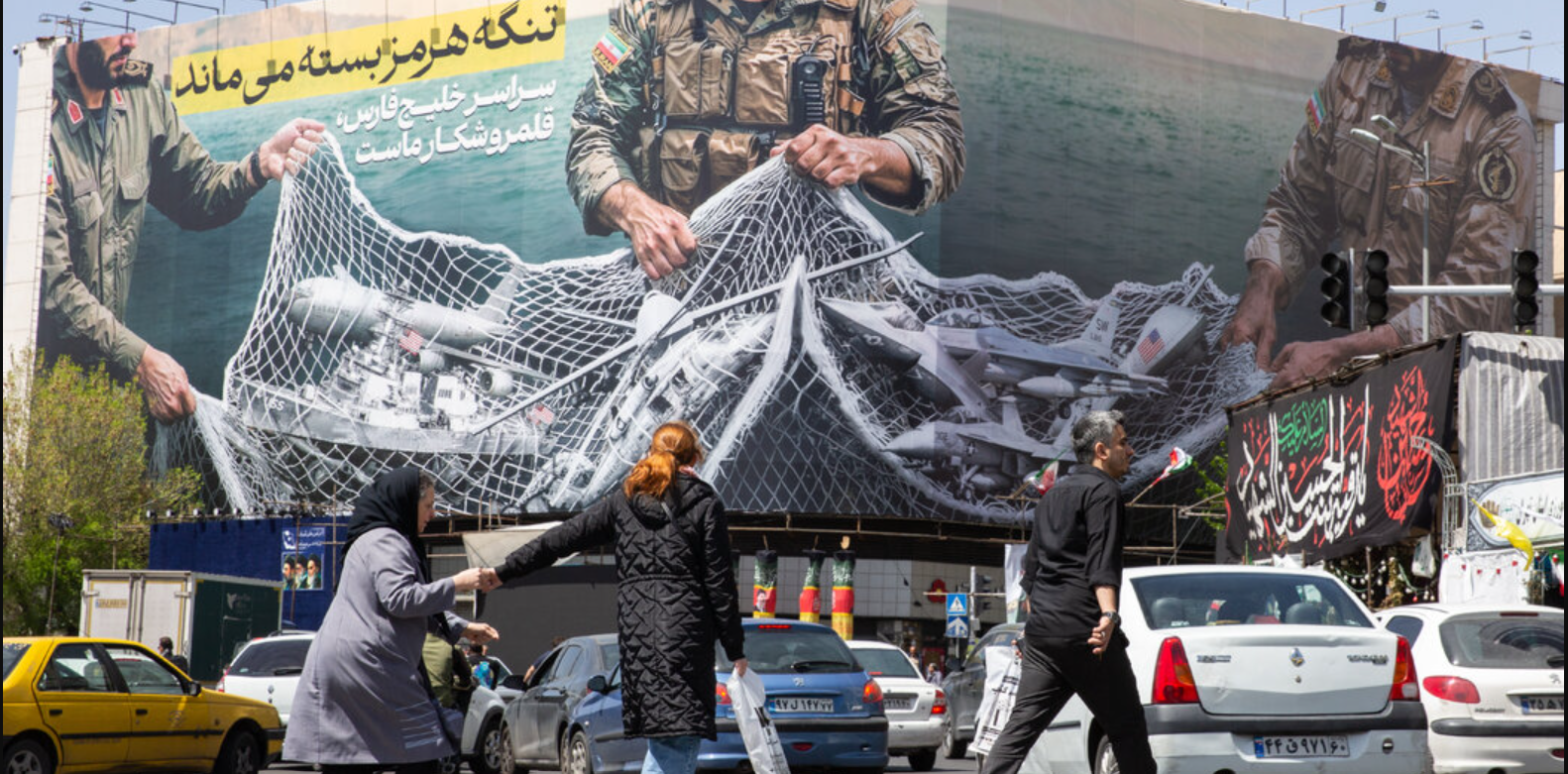

The Strait of Hormuz tensions US Iran situation has intensified following unsuccessful negotiations between both sides. Talks aimed at easing conflict ended without agreement, increasing uncertainty across the region.
Soon after, strong statements emerged from both sides. These remarks reflected growing frustration and deepening divisions. As a result, concerns about escalation have increased significantly.
Iran Issues Strong Warning Over Hormuz
Iranian officials warned of severe consequences if any attempt is made to restrict access to the Strait of Hormuz. They stated that any hostile move could trigger a dangerous response.
Moreover, military representatives emphasized that they are closely monitoring all regional activity. They expressed confidence in their control over the strategic waterway.
In addition, officials described opposing threats as unrealistic. However, they also stressed readiness to respond if required. This combination of confidence and warning signals rising tension.
US Signals Plan for Naval Blockade
Meanwhile, the United States signaled plans to enforce a naval blockade targeting Iranian ports. Authorities stated that this action aims to control maritime movement linked to Iran.
The proposed blockade would affect vessels entering or leaving Iranian coastal areas. However, officials indicated that ships heading to other destinations may not face restrictions.
This announcement has added to regional uncertainty. Consequently, global observers are closely watching how the situation unfolds.
Strategic Importance of the Strait of Hormuz
The Strait of Hormuz remains one of the world’s most critical energy routes. A large portion of global oil shipments passes through this narrow passage daily.
Therefore, any disruption can affect international energy markets. Even small changes in traffic can influence global supply chains.
Recently, some restrictions have already affected maritime movement. However, selective transit has continued under specific conditions.
Ceasefire Under Pressure as Risks Increase
A temporary ceasefire had created hope for de-escalation. However, recent developments have placed that fragile pause under pressure.
Both sides have exchanged firm positions regarding key issues. These include control of shipping routes and broader strategic concerns.
As a result, the possibility of renewed confrontation cannot be ignored. Analysts warn that further escalation could impact regional stability.
Broader Regional Impact and Uncertainty
Tensions surrounding the Strait of Hormuz extend beyond one region. They influence global trade, energy security, and geopolitical balance.
Additionally, uncertainty affects investor confidence and shipping operations. Companies remain cautious as they assess potential risks.
At the same time, diplomatic channels remain critical. Continued dialogue could help prevent further escalation.
Final Thoughts
The Strait of Hormuz tensions US Iran situation highlights the fragile balance in a critical global region. Strong warnings and strategic moves have increased uncertainty.
While diplomatic efforts continue, the risk of escalation remains present. Therefore, the coming days will be crucial for regional stability.

