

Shipping through strategic waterway slows while Bab el-Mandeb activity increases
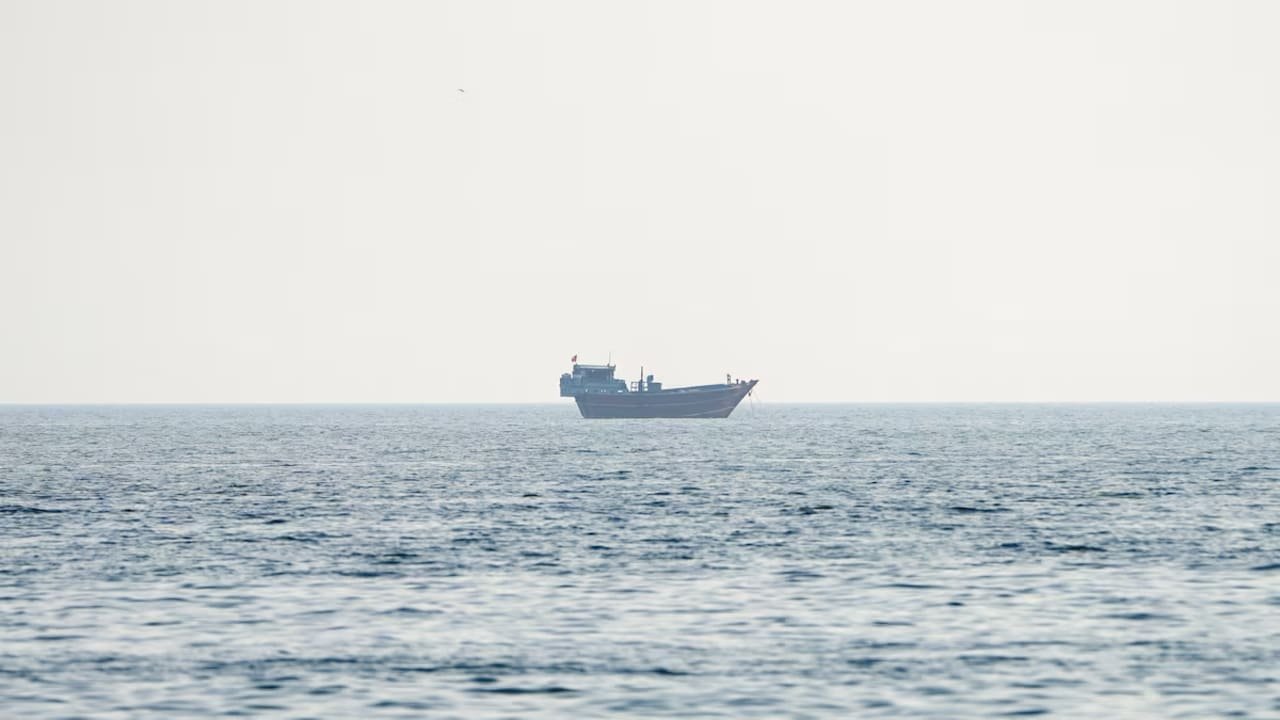
LONDON: Tanker traffic through the Strait of Hormuz fell to its lowest level since early May on Thursday, as heightened security risks in the Middle East continued to disrupt maritime trade and pushed global oil prices back toward the $100-per-barrel mark.
According to shiptracking data from analytics firm Kpler, only one tanker transited the Strait of Hormuz on July 23, compared with three vessels the previous day. At the same time, no tanker entered the strategic waterway during the 24-hour period, underscoring the sharp decline in commercial traffic.
The only vessel to complete the passage was the very large crude carrier New Giant, which departed the Gulf carrying approximately two million barrels of Iraqi Basrah crude. The tanker is scheduled to arrive at China’s Rizhao port by the middle of August.
Meanwhile, the United States military announced late Thursday that it had completed a 13th consecutive night of strikes on Iran, adding to concerns over the security of one of the world’s most important energy corridors.
Alternative routes gain importance
While traffic through Hormuz slowed significantly, vessel movements at the Bab el-Mandeb Strait increased. Kpler data showed that 32 commodity tankers crossed the waterway on July 23, up from 26 the previous day.
Of those vessels, 14 entered the Red Sea, while 18 exited into the Gulf of Aden. Nine of the outbound tankers carried crude oil, including two Chinese-operated supertankers bound for China.
Separately, shiptracking data from Kpler and LSEG indicated that the clean tanker Torm Innovation, carrying about 500,000 barrels of naphtha destined for Asia, adjusted its route toward the Suez Canal instead of following the usual Bab el-Mandeb passage.
Producers adapt to disruption
Regional trade sources said rerouting cargo through the Suez Canal could make voyages to Asia nearly three times longer than traditional routes.
Meanwhile, Saudi Aramco has reportedly begun offering additional crude cargoes from Egypt’s Mediterranean port of Sidi Kerir, providing customers with an alternative loading option as shipping disruptions continue to affect operations at Red Sea export terminals.

