

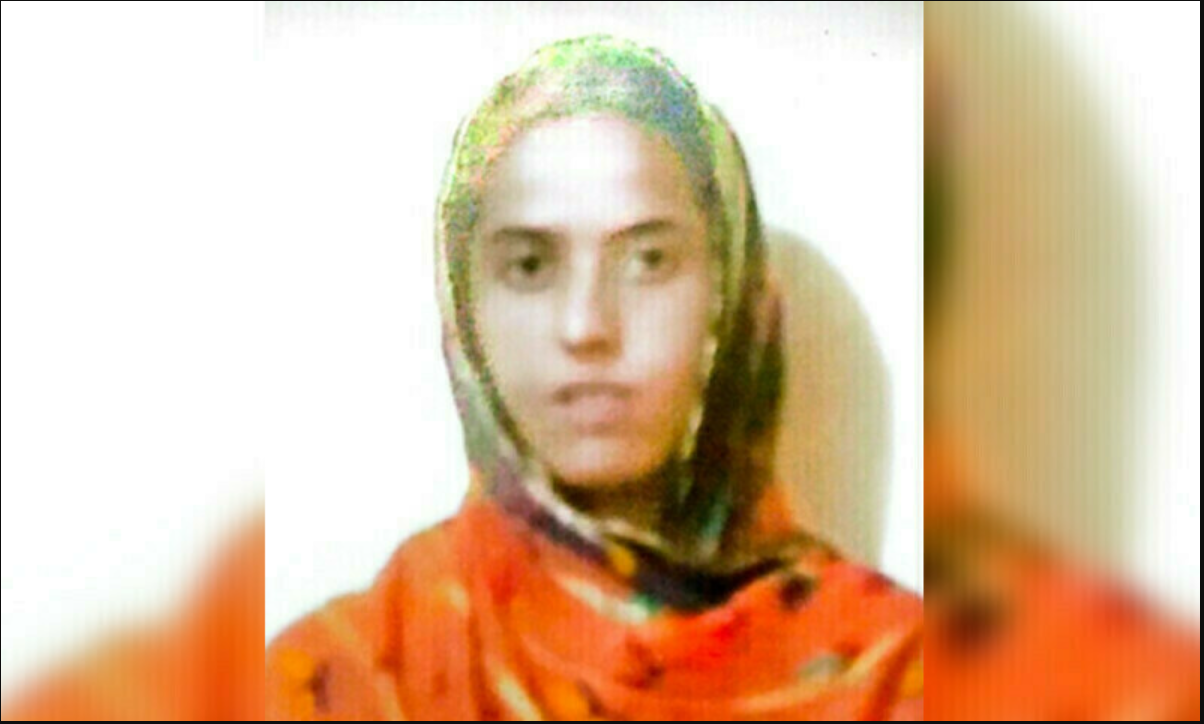

Disturbing new details have come to light in the case of a married woman who was allegedly murdered for honour in Rawalpindi, with police now in possession of a statement from the gravedigger involved in her secret burial.
The woman, identified as Sidra Dukhtar Arab Gul, was reportedly strangled to death on the night between July 17 and 18 on the orders of a local jirga in the Pirwadhai area. Her body was discreetly buried early the next morning without the observance of proper funeral rites or legal documentation.
The police statement, given by Rashid Mahmood, a gravedigger at the Chhati cemetery, outlines how he was instructed by Gul Badshah, a member of the graveyard committee, to prepare a grave within an hour on the morning of July 17. However, due to heavy rainfall and a lack of available workers, the task could not be completed immediately.
By 5:45 a.m., Gul Badshah arrived at the cemetery accompanied by around 25 men, who assisted Rashid in digging the grave. The body of the victim was transported in a loader rickshaw, concealed under a red tarpaulin. The vehicle remained parked inside the cemetery until the grave was ready.
Once the burial was completed, Rashid said, the men levelled the grave and erased any visible signs, ensuring the burial remained hidden. He issued receipt number 78 to Gul Badshah’s son, who recorded Sidra’s name on it. However, the following day, Saif-ur-Rehman, the cemetery committee’s secretary, took possession of the receipt book. When it was later returned, the entry for receipt 78 was missing from the record, raising suspicions of a deliberate cover-up.
According to initial police findings, Sidra had been taken by her family under the guise of rukhsati – the traditional departure of a bride from her parental home to her husband’s. Two days later, the victim’s second husband, Usman, and his father Muhammad Ilyas were informed that she had been murdered. Usman subsequently surrendered to the police.
So far, eight individuals have been arrested in connection with the murder and burial. Investigations are ongoing to identify others who may have played a role in the incident or its concealment.
This case underscores the continuing challenge of addressing honour-based violence in Pakistan, particularly where informal justice mechanisms like jirgas still wield influence. It also highlights serious procedural lapses, including the manipulation of official cemetery records, that can obstruct justice for victims of such crimes.
