
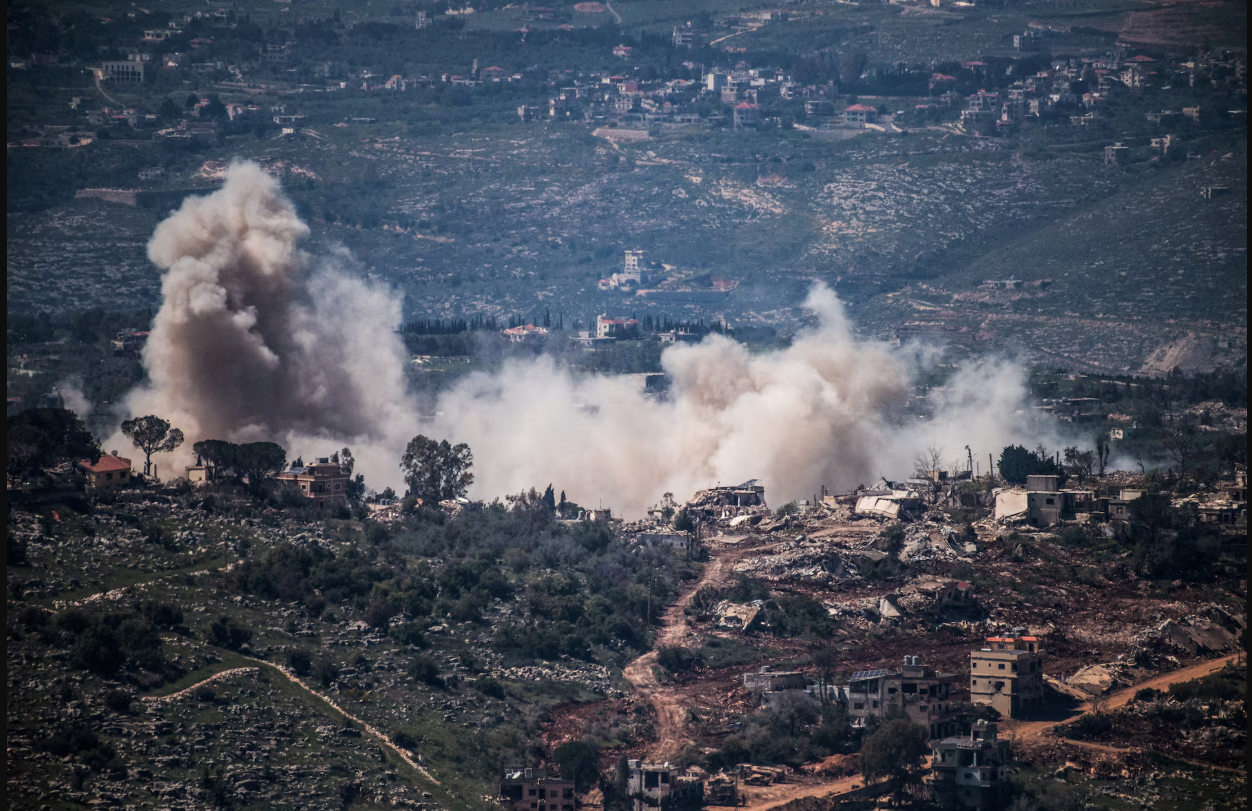

Hezbollah has rejected the recently extended ceasefire with Israel. The group described the agreement as ineffective amid ongoing hostilities.
Moreover, the truce was extended for three weeks following diplomatic engagement. However, tensions on the ground have not fully subsided.
A Hezbollah lawmaker criticised the situation strongly. “It is essential to point out that the ceasefire is meaningless in light of Israel’s insistence on hostile acts, including assassinations, shelling, and gunfire” and its demolition of villages and towns in the south.
Continued Clashes Despite Reduced Hostilities
Although violence has decreased overall, clashes have continued in southern Lebanon. Israeli forces remain stationed in a self-declared buffer zone.
This zone stretches between five and ten kilometres داخل Lebanese territory. Israel says it aims to protect its northern regions from attacks.
However, Hezbollah has continued to respond to Israeli actions. “Every Israeli attack … gives the resistance the right to a proportionate response,” the lawmaker added.
Background of the Ceasefire Agreement
The ceasefire agreement was reached between the governments of Lebanon and Israel. It was initially set to expire but later extended.
Importantly, Hezbollah is not a direct party to this agreement. The group has opposed Lebanon’s direct engagement with Israel.
Hostilities resumed earlier when Hezbollah launched attacks in support of Iran. This escalation triggered renewed fighting across the border.
Recent Developments on the Ground
Recent incidents highlight the fragile nature of the ceasefire. An Israeli airstrike reportedly killed two people in a southern village.
In response, Hezbollah downed an Israeli drone. The group identified it as a Hermes 450 and said it used a surface-to-air missile.
Additionally, Israeli drones have been observed over Beirut. Military activity remains visible despite the truce.
Furthermore, Israel issued a warning to residents in a southern town. It urged them to evacuate due to planned action against “Hezbollah activities”.
This marked the first such warning since the ceasefire began. Therefore, concerns about escalation have intensified.
Civilian Concerns and Growing Frustration
Civilians on both sides have expressed frustration over continued instability. Many expected the ceasefire to bring a complete halt to violence.
A Beirut resident questioned the situation openly. “What’s this? Is this called a ceasefire? Or is this mocking (people’s) intelligence?”
Meanwhile, residents in northern Israel also remain uncertain. Some fear that the ceasefire may not hold for long.
“I believe that the ceasefire is so fragile, and unfortunately, it won’t stand long, in my opinion,” said one resident.
Casualties and Ongoing Impact
The conflict has caused significant human losses. Thousands have been killed in Lebanon since hostilities resumed.
In addition, casualties have also been reported on the Israeli side. Both civilians and soldiers have been affected.
Therefore, the humanitarian impact continues to grow despite diplomatic efforts.
Diplomatic Efforts and Future Prospects
Diplomatic engagement continues alongside the fragile ceasefire. Leaders have expressed hope for a broader peace agreement.
Officials have emphasised the need to fully respect the ceasefire terms. They believe this could create space for meaningful negotiations.
At the same time, Lebanon seeks the withdrawal of Israeli troops from its territory. This issue remains central to future discussions.

