


Israeli Strike on Senior Hamas Commander Puts Gaza Ceasefire on the Brink, Warns Chief Negotiator
Hamas has warned that the fragile Gaza ceasefire is facing serious danger following Israel’s targeted killing of a senior military commander. The warning came from Hamas chief negotiator Khalil Al-Hayya, who described the assassination as a direct threat to the future of the truce. His remarks have heightened fears of renewed escalation in the already volatile region.
Televised Address Confirms High-Profile Assassination
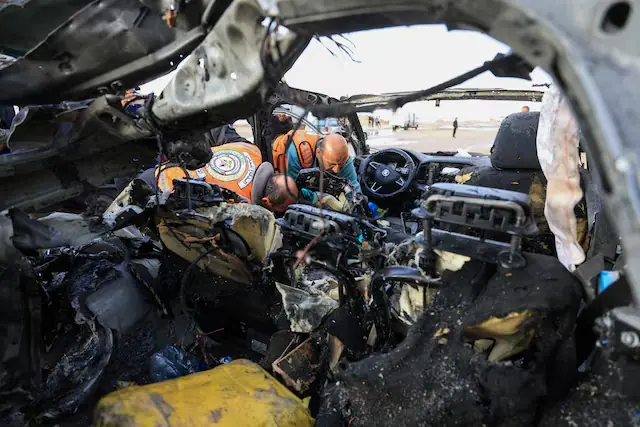
Speaking in a televised address on Sunday, Khalil Al-Hayya confirmed the killing of Senior Commander Raed Saed. He said Saed was killed in an Israeli strike carried out on Saturday. Hayya, who also serves as the Hamas leader in exile from Gaza, described the attack as a grave violation of the ceasefire agreement.
He stated that this was the most significant assassination of a Hamas leader since the US-backed ceasefire came into force in October. The killing has sent shockwaves through the region and raised questions about Israel’s commitment to the truce.
Ceasefire Under Threat Amid Rising Tensions
Hayya warned that continued Israeli actions could collapse the agreement entirely. He said repeated violations, including targeted killings, are eroding trust and stability. According to him, the assassination of Raed Saed and others directly threatens the viability of the ceasefire.
He emphasized that such actions undermine mediation efforts and increase the risk of a return to open conflict. Hamas views the ceasefire as fragile and easily disrupted by military escalations.
Call for US and International Intervention
In his address, Hayya called on international mediators to step in urgently. He specifically appealed to the United States, which he described as the main guarantor of the ceasefire. He urged the US administration and President Donald Trump to pressure Israel into respecting the agreement.
Hayya stressed that without firm guarantees and enforcement, the ceasefire could fail. He said mediators must act quickly to prevent further bloodshed and instability in Gaza.
Who Was Raed Saed
According to Hamas sources, Raed Saed was the second-in-command of the group’s armed wing. He ranked just below Izz eldeen Al-Hadad in the military hierarchy. His death represents a major blow to Hamas’ command structure.
Israel, however, has claimed Saed was a key architect of the October 7, 2023 attack. That attack triggered the war in Gaza and led to widespread destruction and loss of life. Israel maintains that his killing was justified on security grounds.
Debate Over International Stabilization Force
Hayya also addressed plans for a proposed United Nations–authorized International Stabilization Force. He said Hamas opposes any foreign presence inside Gaza. According to him, the force should only monitor the ceasefire and separate the two sides along Gaza’s borders.
He insisted that international forces must not interfere in Gaza’s internal affairs. Any internal role, he warned, would be unacceptable to Hamas and the local population.
Fragile Peace Amid Ongoing Negotiations
The deployment of the stabilization force is a key element of the next phase of President Trump’s Gaza peace plan. Under the first phase, a fragile ceasefire began on October 10. The truce paused a two-year war that devastated Gaza.
As part of the agreement, Hamas released Israeli hostages. Israel, in return, freed detained Palestinians. Despite these steps, the situation remains tense. The latest assassination has once again placed the ceasefire at serious risk.
