

Creator Condemns Use of Iconic Television Concept
Veteran television director and producer Hafeez Tahir has strongly criticised an artificial intelligence-generated film based on the classic children’s series Ainak Wala Jin.
Tahir said the filmmakers used the programme’s name, concept and famous characters without seeking his permission. He expressed his anger through a video statement posted on Instagram.
The director described the film as an unauthorised use of his life’s creative work. He also warned that he was considering legal action against those involved in the production and release.
Tahir said he developed the original concept, selected the title and directed the television series for Pakistan Television. He described the new film as “daylight robbery” of his intellectual and artistic contribution.
He claimed that neither the film’s director nor Pakistan Television approached him before the project entered cinemas. He also said he was not invited to participate in the production or advise the creative team.
The veteran creator argued that no filmmaker or production company should be allowed to commercially exploit an established creative property without consulting its original creators.
However, the legal ownership and licensing position has not yet been publicly established through a court ruling or an official copyright determination.
AI Film Accused of Damaging Original Characters
Tahir also criticised the creative quality of the new adaptation.
He said artificial intelligence had significantly changed the appearance, voices and personalities of the programme’s most recognisable characters.
According to Tahir, Nastoor Jin, the central character of the original series, had been visually transformed in a manner that did not reflect his familiar identity.
He also objected to the redesigned appearance of Hamoon Jadugar and criticised the use of AI-generated voices and music.
Tahir said the original programme had been developed with care, creativity and a clear understanding of children’s entertainment.
He argued that the new version had removed the emotional appeal and cultural identity that made the television series popular.
The director said technological innovation should not be used as an excuse to ignore consent, artistic integrity and the contribution of original creators.
He asked whether he should remain silent or pursue legal action to protect his work.
Social media users also reacted to his statement. Several fans supported Tahir and said the original series formed an important part of their childhood memories. Others called for greater protection of writers, directors, performers and other creators as AI-generated entertainment expands.
Film Release Revives AI and Copyright Debate
The AI-generated Ainak Wala Jin film was released in Pakistani cinemas on July 24, 2026.
The project was directed by Farhan Khan and reportedly produced in collaboration with PTV Network. It has been promoted as a fully AI-generated feature film using generative technology for its visuals, characters and music.
The film follows a young boy whose life changes after he meets an elderly genie. The story introduces audiences to a fantasy world featuring reimagined versions of characters associated with the original television series.
Its release has generated a wider debate about artificial intelligence in Pakistan’s film industry.
Supporters view AI as an affordable tool that could allow independent filmmakers to create ambitious visual projects with limited budgets.
Critics argue that AI productions can reproduce established styles, characters and artistic ideas without adequately compensating or recognising the people who created them.
The controversy also raises questions about how existing copyright laws apply to AI-generated adaptations.
Key concerns include ownership of programme titles, fictional characters, visual identities, music, scripts and creative concepts.
The filmmakers had not publicly issued a detailed response to Tahir’s allegations at the time of reporting.
Original Series Remains a Pakistani Television Landmark
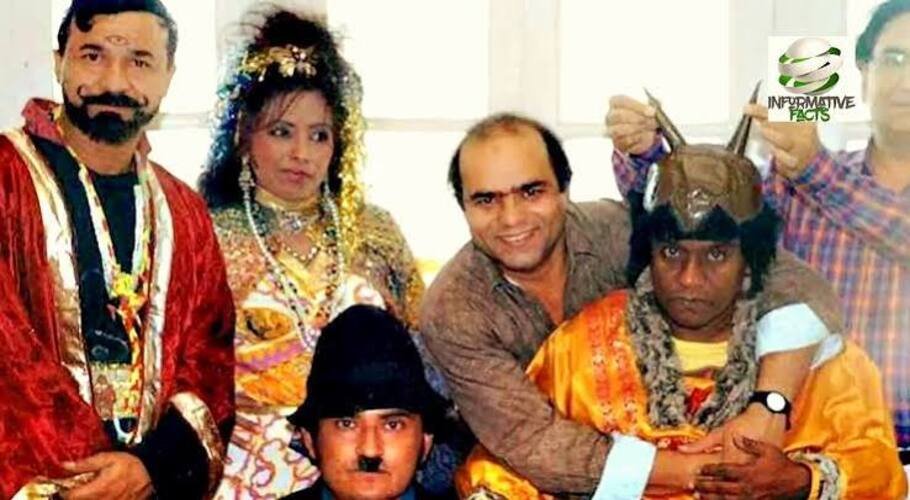
Ainak Wala Jin originally aired on PTV during the 1990s and became one of Pakistan’s most successful children’s fantasy programmes.
The first season began in 1993 and ran for 152 episodes. It followed Nastoor Jin, a visually impaired genie who entered the human world and developed friendships with children.
The programme combined comedy, fantasy, music and moral lessons.
Its memorable characters included Nastoor Jin, Zakoota Jin, Hamoon Jadugar and Bill Batori.
The series became essential family viewing and developed a large following among children across Pakistan.
Its popularity continued through repeat broadcasts, stage performances and online uploads.
Hafeez Tahir directed and produced the original programme, while renowned writer Abdul Hameed was also credited for its writing.
The dispute has now placed the beloved programme at the centre of an important creative debate.
The case is no longer only about one film or one television series.
It concerns whether technological progress can move forward without ignoring consent, attribution and the rights of the artists whose work makes such adaptations possible.

